

New parents quickly discover babies need 5 to 8 outfit changes daily due to spit-ups, diaper leaks, and feeding messes. Most caregivers underestimate how many clothing essentials are truly necessary, leading to constant laundry stress and scrambling for clean outfits. This comprehensive baby clothing checklist for 2026 provides clear quantities, safe selections, and practical design features to equip your nursery efficiently while prioritizing your baby's comfort and safety throughout rapid growth stages.
Table of Contents
- How to choose baby clothes: key selection criteria
- Essential baby clothing items and quantities
- Key safety and practical design features in baby clothing
- Seasonal adaptations in baby clothing
- Safe sleep clothing and accessories
- Practical wardrobe building tips and situational recommendations
- Discover stylish, comfortable baby clothes at Rivertot
- Frequently asked questions
Key takeaways
| Point | Details |
|---|---|
| Stock adequate bodysuits and sleepers | Having 10-14 bodysuits and 8-10 sleepers reduces laundry pressure during frequent outfit changes. |
| Prioritize soft, breathable fabrics | Natural materials like cotton or bamboo prevent skin irritation and regulate temperature effectively. |
| Choose practical fasteners | Snap closures and envelope shoulders enable quick diaper changes without fully undressing your baby. |
| Layer strategically by season | Combining bodysuits, sleepers, and lightweight jackets adjusts to indoor and outdoor temperature variations safely. |
| Select safe sleepwear designs | Footed sleepers and swaddles eliminate loose blankets, reducing suffocation risks during sleep. |
How to choose baby clothes: key selection criteria
Selecting the right baby clothing involves balancing comfort, safety, and practicality for daily caregiving routines. Understanding key selection criteria helps you build a functional wardrobe that supports your baby's delicate skin and your own sanity during those hectic first months.
Comfort and fabric quality form the foundation of smart clothing choices. Soft, breathable fabrics like cotton or bamboo protect newborns' delicate skin from irritation and overheating. Natural fibers allow air circulation, preventing rashes and discomfort during extended wear. Synthetic materials can trap heat and moisture, creating an uncomfortable environment for sensitive infant skin.
Ease of dressing matters enormously when you're changing outfits multiple times daily. Look for clothes featuring snaps along the inseam or envelope shoulders that expand easily over your baby's head. Side-snap designs work especially well for newborns with healing umbilical cords. These practical features transform stressful clothing changes into quick, gentle processes that keep your baby calm.
Safety considerations should guide every clothing purchase. Avoid garments with loose buttons, decorative beads, or ribbons that pose choking hazards. Check for scratchy tags or rough seams that can irritate skin. Choose flame-resistant sleepwear that meets safety standards. Small details like covered zippers and secure snap fasteners prevent pinching and catching delicate baby skin.
Adequate quantities based on your baby's habits and your laundry schedule prevent constant washing cycles. Most newborns require substantially more clothing than first-time parents anticipate. Consider your climate, access to laundry facilities, and whether your baby spits up frequently when determining quantities.
Season and climate appropriateness ensures your baby stays comfortable year-round. Lightweight, breathable pieces work for warm months, while layerable options provide flexibility for cooler weather. Baby clothing comfort and safety depend on matching garment weights to environmental conditions.
Pro Tip: Buy clothes with a bit of stretch in the neckline. This feature makes dressing easier and accommodates your baby's growing head circumference without causing discomfort during changes.
Essential baby clothing items and quantities
Building an efficient baby wardrobe requires understanding which items you'll reach for constantly and how many pieces keep you ahead of laundry demands. This detailed breakdown helps you stock appropriately without overbuying.
Bodysuits and onesies serve as the workhorse of infant wardrobes. Newborns require 10-14 bodysuits to manage frequent spit-ups and diaper accidents. These versatile pieces work as standalone outfits in warm weather or base layers during colder months. Short-sleeve versions provide summer comfort, while long-sleeve styles add warmth without bulk.
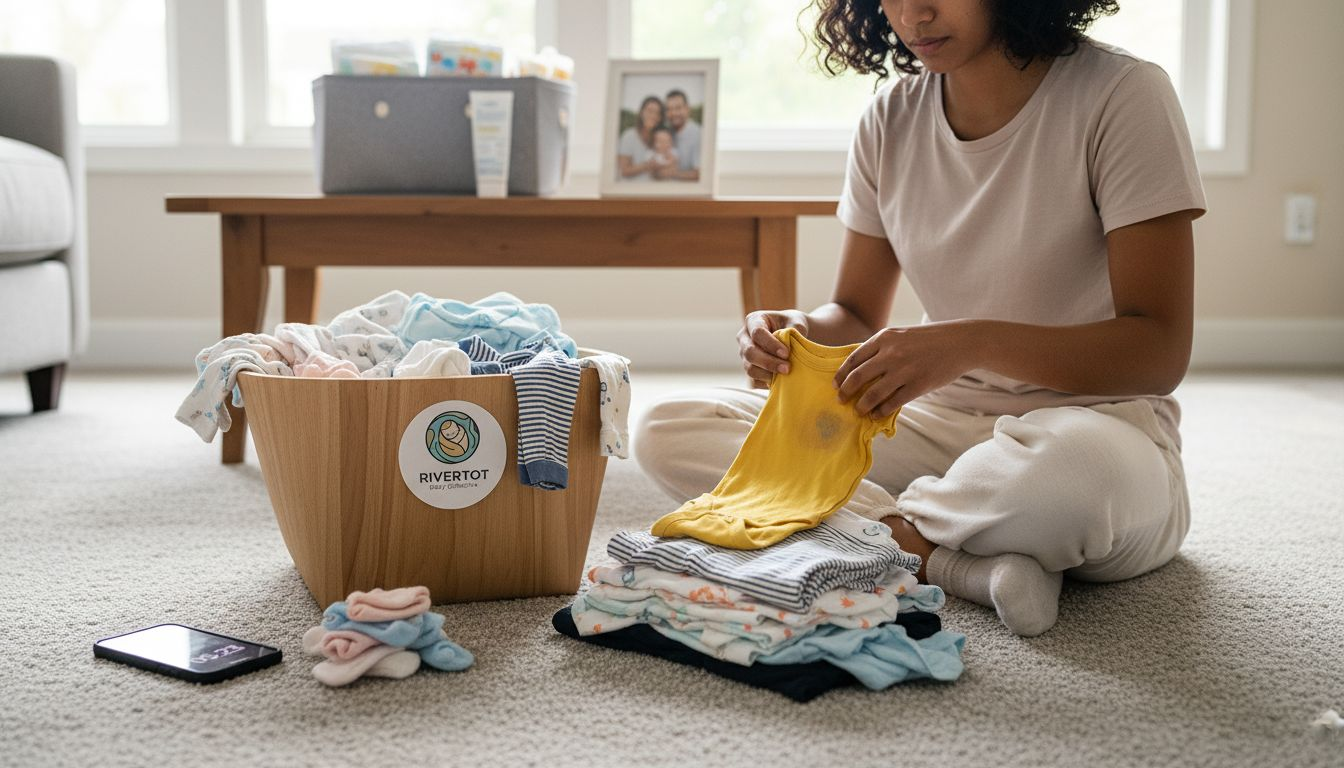
Footed sleepers combine convenience with all-in-one coverage. Eight to 10 footed sleepers ensure you always have clean options for sleep and daily wear. The integrated foot coverage eliminates lost socks and keeps tiny toes warm. Choose styles with two-way zippers or snap closures from neck to ankle for midnight diaper changes that don't require full undressing.
Kimono tops and side-snap shirts offer gentler dressing options for newborns. Stock 3 to 5 pieces for the first weeks when umbilical cord care requires avoiding pressure on the belly. These wrap-style garments eliminate the need to pull clothing over your baby's head, reducing stress for both of you.
Pants and leggings provide comfortable lower-body coverage and layering flexibility. Four to 6 pairs with elastic waistbands work well over bodysuits. Soft cotton or fleece materials stretch without restricting movement as your baby begins kicking and rolling.
Swaddles and sleep sacks create safe sleep environments. Keep 3 to 6 pieces on hand, rotating through laundry while maintaining clean options. These wearable blankets replace loose bedding that poses suffocation risks.
Socks and mittens protect extremities from scratches and cold. Six to 8 pairs of socks prevent bare feet, though footed sleepers often eliminate this need. Two to 4 pairs of soft mittens keep newborns from scratching their faces with sharp fingernails.
| Clothing Item | Recommended Quantity | Primary Use |
|---|---|---|
| Bodysuits/Onesies | 10-14 | Daily wear, layering base |
| Footed Sleepers | 8-10 | Sleep, all-day comfort |
| Kimono Tops | 3-5 | Gentle newborn dressing |
| Pants/Leggings | 4-6 | Layering, temperature control |
| Swaddles/Sleep Sacks | 3-6 | Safe sleep environments |
| Socks | 6-8 pairs | Foot warmth, protection |
| Mittens | 2-4 pairs | Scratch prevention |
Explore newborn photoshoot outfits for special occasions beyond everyday essentials. Quality newborn baby onesies provide the foundation for any baby wardrobe.
Key safety and practical design features in baby clothing
Design features significantly impact how easily you can care for your baby while maintaining their safety and comfort. Smart clothing engineering makes daily routines smoother and reduces caregiver frustration.
Envelope shoulders and side snaps transform dressing challenges into simple tasks. Envelope-style necklines stretch wide, allowing you to pull bodysuits down over the body instead of up over the head when dealing with diaper blowouts. Side-snap designs avoid pressing on healing umbilical stumps while enabling one-handed dressing.
Snap closures over zippers facilitate quicker diaper changes and reduce dressing time. Snaps along the inseam provide full access without removing the entire garment. This feature proves invaluable during 3 a.m. changes when you're operating on minimal sleep. Zippers can catch skin or snag, while snaps offer foolproof fastening.
Soft, tag-free construction prevents skin irritation that disrupts sleep and causes fussiness. Quality manufacturers print size information directly on fabric or use soft printed labels instead of scratchy tags. Flat seams reduce rubbing against sensitive areas. These details seem minor but significantly impact daily comfort.
Absence of choking hazards keeps curious babies safe as they explore their clothing. Avoid decorative buttons, sequins, or appliques that could detach and become dangerous. Securely attached snaps and reinforced stitching ensure fasteners stay in place through repeated washing and tugging.
Practical designs also consider caregiver needs. Stretchy fabrics accommodate movement and growth spurts. Wide neck openings simplify dressing squirmy babies. Color-coded sizing or clear size labels help sleep-deprived parents grab the right clothes quickly.
Pro Tip: Test snap closures before purchasing multiple items. High-quality snaps require moderate pressure to fasten but release easily when needed, while cheap versions either pop open unexpectedly or require frustrating force.
Pair thoughtful clothing choices with comfortable baby cloth diapers for complete daily comfort. Consider UV protection baby gear when dressing for outdoor activities.
Seasonal adaptations in baby clothing
Adjusting your baby's wardrobe throughout the year maintains comfortable body temperature and protects against weather extremes. Strategic seasonal planning ensures you have appropriate clothing ready as conditions change.
Summer essentials focus on breathability and sun protection. Breathable rompers and sun hats prevent overheating during hot months. Lightweight cotton bodysuits allow air circulation against skin. Wide-brimmed hats shield delicate faces from direct sunlight. Avoid overdressing, as babies regulate temperature less efficiently than adults.
Winter requirements emphasize insulation and coverage. Fleece onesies and thermal layers provide warmth without restricting movement. Footed sleepers eliminate the need for separate socks that often fall off. Hats become essential since babies lose significant heat through their heads. Choose mittens that stay secured to prevent loss and maintain hand warmth.
Transitional seasons benefit from versatile layering pieces. Lightweight jackets over bodysuits adapt to fluctuating spring and fall temperatures. Cardigans or hoodies provide easy-to-remove warmth as indoor and outdoor conditions vary throughout the day.
Layering techniques help regulate temperature safely:
- Start with a breathable bodysuit as the base layer against skin
- Add a sleeper or outfit appropriate for current indoor temperature
- Include a lightweight jacket or sweater for outdoor excursions
- Remove layers promptly when returning to heated or air-conditioned spaces
- Check your baby's neck or back to assess if they feel too warm or cool
Avoid bulky clothing in car seats, as thick layers compress and reduce harness effectiveness. Dress babies in thin layers, then place blankets over the harness after buckling.
Shop baby summer cotton sets for warm-weather comfort. Review our winter clothes guide for cold-weather preparation strategies.
Safe sleep clothing and accessories
Sleep safety represents one of the most critical aspects of infant care, and clothing choices directly impact risk reduction during vulnerable sleeping hours. Understanding safe sleepwear guidelines protects your baby while ensuring comfortable rest.
Swaddles and sleep sacks reduce SIDS risk by replacing loose blankets in the crib. These wearable blankets keep babies warm without covering their faces or restricting breathing. Swaddles work well for newborns who startle easily, providing the snug feeling of the womb. Transition to sleep sacks around 2 to 3 months when babies begin rolling.
Footed pajamas safely cover babies without requiring additional socks or blankets. The integrated foot coverage maintains warmth while eliminating loose items in the sleep space. Choose footed sleepers made from breathable fabrics appropriate for room temperature.
Avoiding loose blankets and bedding prevents suffocation hazards in cribs. The American Academy of Pediatrics recommends bare sleep surfaces with only a fitted sheet. Wearable blankets provide necessary warmth without dangerous loose fabric. Remove pillows, stuffed animals, and crib bumpers that pose entrapment or suffocation risks.
Breathable fabric selection prevents overheating, another SIDS risk factor. Cotton, bamboo, or cotton-blend sleepwear allows air circulation while maintaining comfortable warmth. Avoid fleece or heavy materials unless room temperature drops significantly. Your baby's room should stay between 68 and 72 degrees Fahrenheit.
Proper fit matters for safe sleep clothing. Garments should fit snugly enough to prevent fabric bunching near the face but allow full leg and arm movement. Check that sleep sacks don't ride up around the neck. Ensure footed sleepers have adequate length without excess fabric that could tangle.
"Safe sleep practices combined with appropriate sleepwear create the optimal environment for reducing infant sleep-related risks while ensuring your baby rests comfortably through the night."
Complement safe sleepwear with a baby protective pillow designed for supervised tummy time, never for crib use.
Practical wardrobe building tips and situational recommendations
Creating an efficient, versatile baby wardrobe requires strategic planning that accounts for rapid growth, climate variations, and your specific caregiving situation. These practical tips help you build a functional collection without excessive spending or waste.
Size mixing prevents wardrobe gaps during rapid growth phases. Babies outgrow newborn sizes within 2-4 weeks, making a mix of newborn and 0-3 month clothes essential. Some babies skip newborn sizes entirely, arriving larger than expected. Purchasing primarily 0-3 month items with a few newborn pieces for the first days provides flexibility.
Versatile clothing maximizes value across multiple occasions and seasons. Neutral colors and simple designs transition easily from playtime to outings. Bodysuits work as standalone outfits or layering pieces. Choosing multi-functional items reduces the total quantity needed while maintaining outfit variety.
Organic and eco-friendly fabrics offer lower chemical exposure and gentler treatment for sensitive skin. These options cost more initially but provide peace of mind for parents concerned about pesticides and synthetic treatments. Organic cotton, bamboo, and sustainably produced materials represent healthier choices for babies and the environment.
Climate and laundry frequency should guide quantity decisions. Humid environments require more frequent changes due to sweat and dampness. Limited laundry access necessitates larger clothing stocks. Babies who spit up frequently need extra bodysuits and burp cloths. Assess your specific situation rather than following generic recommendations blindly.
| Essential Item | Recommended Quantity | Best For | Key Features |
|---|---|---|---|
| Cotton Bodysuits | 10-14 | Daily wear, layering | Snap closures, breathable |
| Footed Sleepers | 8-10 | Sleep, cold weather | All-in-one warmth, easy changes |
| Sleep Sacks | 3-6 | Safe sleep | Replace loose blankets |
| Lightweight Rompers | 4-6 | Warm weather | One-piece convenience |
| Layering Pieces | 4-6 | Temperature changes | Cardigans, jackets |
Pro Tip: Register for clothes in larger sizes rather than newborn. Friends and family often buy tiny outfits your baby will outgrow before wearing, while 3-6 month sizes get used extensively during active, messy developmental stages.
Discover quality organic cotton baby bodysuits that prioritize skin health. Learn more about choosing baby clothing wisely for long-term satisfaction.
Discover stylish, comfortable baby clothes at Rivertot
Equipping your nursery with the right clothing essentials sets the foundation for comfortable, safe caregiving throughout your baby's first year. You've learned the quantities, fabrics, and features that matter most.
Rivertot offers a curated collection combining comfort, safety, and style in every piece. Our selection includes everything from everyday bright comfortable baby clothes to essential newborn baby onesies designed with practical snap closures and soft, breathable fabrics. Explore our organic cotton baby bodysuits for sensitive skin and eco-conscious parenting. Each item prioritizes easy diaper changes, gentle dressing, and temperature regulation to support your daily caregiving routines while keeping your baby stylish and comfortable.
Frequently asked questions
How many bodysuits does a newborn typically need?
Newborns generally require 10 to 14 bodysuits due to frequent outfit changes from spit-ups, diaper leaks, and feeding messes. The exact number varies based on your laundry frequency and whether your baby tends to spit up more than average. Having this quantity ensures you always have clean options available without running emergency wash cycles daily.
What fabrics are safest and most comfortable for baby clothes?
Soft, breathable natural fabrics like 100% cotton or bamboo are preferred because they prevent irritation and overheating on delicate newborn skin. Avoid rough synthetics or heavily treated fabrics that can cause rashes or discomfort during extended wear.
How do I dress my baby appropriately for changing seasons?
Use layering techniques with bodysuits as base layers, adding sleepers or outfits appropriate for indoor temperature, then including lightweight jackets for outdoor conditions. Select breathable fabrics during summer and insulated layers during winter, adjusting throughout the day as temperatures fluctuate.
What features make baby clothes easier for diaper changes?
Clothes with snap closures along the inseam or envelope shoulders allow quick access to the diaper area without fully undressing your baby. Avoid complicated fasteners like multiple buttons or full-length zippers that slow down changes and frustrate tired caregivers during nighttime routines.
Recommended
- How to choose baby clothing for comfort and safety – River tot
- Comfortable Baby One-Pieces: Tips for Choosing Stylish Outfits – River tot
- River TOT The friendly neighborhood baby with all that a mother needs. – River tot
- Newborn Photoshoot OutfitsEssential Tips for Stunning Baby Photography – River tot