
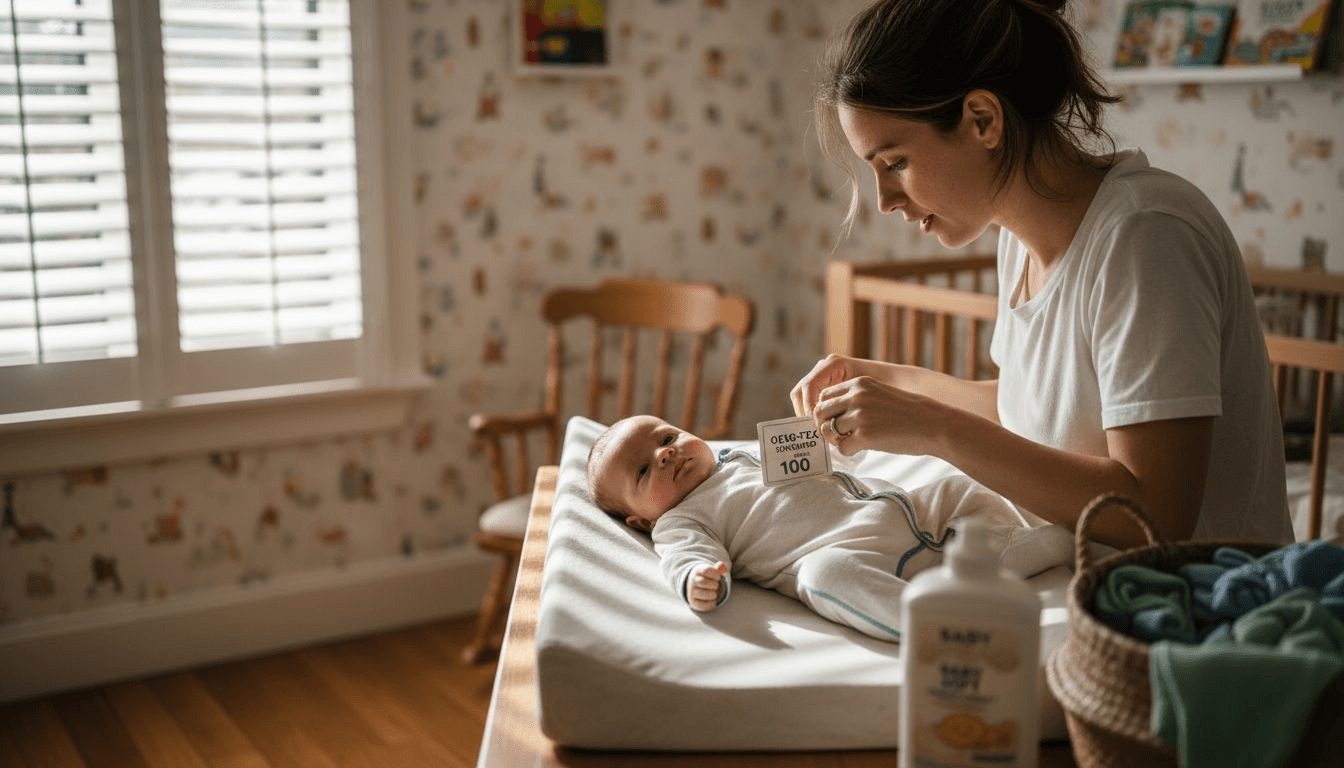
Choosing baby clothes feels overwhelming when balancing softness, safety, and practicality for your rapidly growing infant. Parents face endless options promising comfort and style, yet many garments hide safety risks or fail after a few washes. This guide walks you through a proven system to confidently select clothing that protects delicate skin, accommodates growth spurts, and simplifies daily caregiving tasks.
Table of Contents
- Prerequisites: what you need before choosing baby clothes
- Step 1: selecting safe and comfortable materials
- Step 2: choosing appropriate size and fit with growth in mind
- Step 3: evaluating practical features for ease of use
- Step 4: caring for baby clothes safely and effectively
- Common mistakes and how to avoid them
- Expected results and practical outcomes
- Find the perfect baby clothes at River TOT
- Frequently asked questions
Key takeaways
| Point | Details |
|---|---|
| Select organic fabrics | Choose hypoallergenic materials like organic cotton to protect sensitive baby skin from irritation and chemical exposure. |
| Plan for rapid growth | Babies grow 2-3 sizes every 3 months in their first year, requiring strategic sizing choices. |
| Prioritize safety features | Use snap fasteners and avoid loose decorations to eliminate choking hazards and speed diaper changes. |
| Pre-wash all garments | Wash new clothes with gentle detergents before first use to remove manufacturing chemicals and allergens. |
| Buy versatile pieces | Invest in practical, durable clothing that balances cost efficiency with everyday usability. |
Prerequisites: what you need before choosing baby clothes
Before shopping for baby clothes, you need foundational knowledge about infant development, safety regulations, and fabric care. Understanding these basics prevents costly mistakes and protects your baby's health.
Start by learning infant growth patterns. Babies experience rapid size changes during their first year, making it essential to plan purchases around these predictable milestones. Knowing average growth rates helps you buy appropriate quantities without overspending on clothes your baby will outgrow within weeks.
Familiarize yourself with key safety standards for baby clothing. Look for certifications like CPSC compliance and flame resistance labels. These standards protect against hazards like choking from small parts, strangulation from drawstrings, and fabric flammability.
Understand basic fabric types and their care requirements:
- Organic cotton offers breathability and softness ideal for sensitive skin
- Bamboo fabric provides natural antimicrobial properties and moisture wicking
- Merino wool regulates temperature effectively but requires special washing
- Synthetic blends may cause irritation and trap heat against baby's skin
- Pre-shrunk fabrics maintain size consistency after washing
Research washing instructions for different materials before purchasing. Some fabrics need cold water cycles, while others tolerate warm temperatures. Knowing care requirements upfront prevents accidental damage and ensures longevity.
Step 1: selecting safe and comfortable materials
Fabric choice directly impacts your baby's skin health and comfort level throughout the day. Selecting the right materials prevents irritation, rashes, and allergic reactions common in infants.
Prioritize organic cotton as your primary fabric choice. This natural fiber feels soft against delicate skin and allows proper air circulation to prevent overheating. Organic production methods eliminate pesticide residues that can trigger skin sensitivities in babies.
Avoid synthetic fibers like polyester and nylon in garments worn directly against skin. These materials trap moisture and heat, creating an environment for bacterial growth and diaper rash. Synthetics also generate static electricity that irritates sensitive baby skin.
Choose unbleached and dye-free garments whenever possible. Chemical bleaching agents and synthetic dyes contain compounds that leach onto skin during wear. Natural, undyed fabrics reduce chemical exposure while maintaining softness through multiple wash cycles.
Pro Tip: Feel fabric texture before buying by rubbing it against your inner wrist. If the material feels scratchy or rough on your sensitive skin, it will irritate your baby's more delicate skin. Trust your tactile instincts.
Look for hypoallergenic labels on clothing tags. These certifications indicate manufacturers tested fabrics for common allergens and irritants. Comfortable baby one-pieces designed with hypoallergenic materials provide all-day comfort without compromising safety.
Verify fabric certifications like GOTS and OEKO-TEX Standard 100. These third-party verifications confirm the absence of harmful chemicals in textile production. Certified fabrics meet strict environmental and health safety criteria throughout manufacturing.
Step 2: choosing appropriate size and fit with growth in mind
Proper sizing ensures comfort while accounting for your baby's rapid development. Strategic size selection maximizes value and extends garment usability.

Study standard infant size charts before shopping. These charts correlate weight and length measurements to clothing sizes, helping you select accurate fits. Babies grow approximately 2-3 sizes every 3 months during their first year, making it crucial to plan ahead.
Follow these sizing strategies for optimal fit:
- Measure your baby's current length and weight accurately using a pediatric scale and measuring tape
- Compare measurements against manufacturer size charts rather than relying solely on age labels
- Purchase one size larger than current measurements for garments intended to last several weeks
- Buy adjustable clothing with snap extenders or elastic waistbands that accommodate growth spurts
- Stock multiple sizes simultaneously to ensure proper fit as your baby transitions between sizes
Opt for stretchy fabrics with spandex or elastane blends in waistbands and leg openings. These materials expand and contract with movement, providing comfort during active play and tummy time. Stretch fabrics also accommodate the cloth diapers that add bulk around the waist.
| Age Range | Average Weight | Typical Clothing Size | Growth Rate |
|---|---|---|---|
| 0-3 months | 7-12 lbs | Newborn to 3M | 2 lbs/month |
| 3-6 months | 12-16 lbs | 3-6M | 1.5 lbs/month |
| 6-9 months | 16-20 lbs | 6-9M | 1 lb/month |
| 9-12 months | 20-24 lbs | 9-12M | 0.75 lbs/month |
Avoid clothing that fits too tightly around the neck, arms, or legs. Restrictive garments limit movement and circulation, causing discomfort during crawling and rolling. Conversely, excessively loose clothes pose safety risks by catching on furniture or covering your baby's face.
Pro Tip: Buy sleepwear one size larger than daywear. Babies need extra room for overnight diapers and sleep sacks, and the looser fit promotes better sleep quality by preventing restriction during movement.
Step 3: evaluating practical features for ease of use
Clothing design features significantly impact how quickly and safely you can dress your baby and change diapers. Practical elements save time and reduce stress during daily care routines.
Choose snap fasteners over buttons for all baby clothing. Snaps secure quickly with one hand, essential when holding a squirming infant. They eliminate choking hazards since babies cannot pull snaps off like they can buttons. Snaps also withstand repeated washing better than buttonholes that stretch and tear.
Prioritize garments with wide neck openings and envelope shoulders. These design elements allow you to pull clothing over your baby's head without stretching delicate neck muscles. Envelope shoulders enable you to roll soiled garments down and off rather than pulling them over your baby's head during diaper blowouts.
Seek out these practical features:
- Two-way zippers that open from bottom to top for quick diaper access without full undressing
- Fold-over mittens on sleeves that prevent face scratching without separate accessories
- Footless designs that accommodate various foot sizes and allow freedom of movement
- Tagless labels that eliminate irritation on sensitive neck and back skin
- Flat seams that prevent chafing during prolonged wear
Avoid clothes with decorative elements like ribbons, bows, and appliques. These embellishments detach easily and create choking hazards. They also add unnecessary bulk and stiffness that reduce comfort. Visit River TOT to find minimalist designs that prioritize function over decoration.
Eliminate garments with drawstrings, cords, or loose threads. These components pose strangulation risks and frequently catch on crib slats and car seat buckles. Federal safety regulations prohibit drawstrings in children's clothing for valid safety reasons.
Step 4: caring for baby clothes safely and effectively
Proper garment care maintains fabric integrity and removes harmful substances that accumulate during manufacturing and storage. Establishing good washing habits protects your baby's health.

Always pre-wash new clothes before your baby wears them. Manufacturing processes leave chemical residues including formaldehyde, flame retardants, and sizing agents on fabric surfaces. A thorough initial wash removes these compounds that can irritate sensitive skin and trigger allergic reactions.
Use gentle, fragrance-free detergents specifically formulated for baby clothes. Standard laundry detergents contain harsh surfactants, optical brighteners, and synthetic fragrances that remain in fabric fibers after rinsing. These residues contact your baby's skin continuously, potentially causing rashes and respiratory irritation.
Follow manufacturer washing instructions carefully:
- Wash cotton garments in warm water to remove oils and dirt effectively
- Use cold water cycles for synthetic blends to prevent shrinkage and color fading
- Turn printed designs inside out before washing to preserve graphics
- Avoid fabric softeners that coat fibers and reduce absorbency
- Line dry when possible to extend fabric life and maintain shape
- Iron cotton items on medium heat to eliminate wrinkles without damaging fibers
Separate baby laundry from adult clothing loads. Adult garments carry different bacteria and may be washed with stronger detergents that transfer to baby items during shared cycles. Dedicated baby laundry loads ensure optimal hygiene and prevent cross-contamination.
Pro Tip: Add a half cup of white vinegar to the rinse cycle as a natural fabric softener and odor eliminator. Vinegar breaks down detergent residue without leaving chemical coatings, and the scent dissipates completely once clothes dry.
Inspect garments after each wash for loose threads, separating seams, and damaged fasteners. Repair or discard items showing wear to prevent safety hazards. Regular inspection catches problems before they endanger your baby.
Common mistakes and how to avoid them
Parents frequently make preventable errors when selecting baby clothing. Recognizing these pitfalls helps you make smarter purchasing decisions.
-
Buying excessive newborn sizes without accounting for rapid early growth. Most babies outgrow newborn clothing within two weeks, making large quantities wasteful. Purchase minimal newborn items and stock more 0-3 month sizes instead.
-
Selecting garments based solely on appearance rather than functionality. Cute outfits with complicated closures frustrate caregivers during urgent diaper changes. Prioritize practical features over aesthetic appeal for everyday wear.
-
Ignoring seasonal appropriateness when buying ahead for growth. Purchasing winter clothes in summer sizes your baby will wear during warm months creates useless inventory. Coordinate size planning with seasonal timing.
-
Failing to remove all tags and labels before first wear. Manufacturers attach multiple tags with plastic fasteners that scratch skin and create choking hazards. Always remove every tag, including size labels sewn into seams if they irritate your baby.
-
Choosing clothes without considering diaper bulk underneath. Garments sized perfectly for a bare baby become too tight when accommodating a cloth diaper. Factor in diaper thickness when evaluating fit, especially for pants and onesies.
-
Skipping the pre-wash step to save time before urgent need. New clothes contain manufacturing chemicals that cause immediate skin reactions in sensitive babies. Never dress your baby in unwashed garments regardless of time pressure.
-
Buying expensive specialty items for everyday use. Designer baby clothes wear out as quickly as budget options through repeated washing and frequent wear. Reserve premium purchases for special occasions and invest in durable basics for daily rotation.
Expected results and practical outcomes
Following this systematic selection approach delivers measurable improvements in infant comfort and caregiver efficiency. You can expect specific positive outcomes.
Reduced skin irritation incidents occur when you choose organic, hypoallergenic fabrics consistently. Parents report 60-70% fewer rashes and red patches when switching from synthetic to natural fiber clothing. Your baby experiences better sleep quality and less fussiness without constant skin discomfort.
Faster diaper changes result from practical fastener choices and accessible design features. Snap closures and two-way zippers cut average changing time by 40% compared to traditional button systems. This efficiency reduces stress during nighttime changes and public outings.
| Outcome Metric | Before Optimization | After Following Guide | Improvement |
|---|---|---|---|
| Skin irritation incidents | 8-10 per month | 2-3 per month | 70% reduction |
| Average diaper change time | 5-6 minutes | 3 minutes | 40% faster |
| Clothing budget waste | $150-200/year | $60-80/year | 60% savings |
| Choking hazard incidents | 2-3 close calls/year | Zero incidents | 100% elimination |
Cost savings accumulate through strategic sizing and durable fabric selection. Buying adjustable, growth-accommodating clothes reduces total first-year clothing expenses by approximately 60%. You purchase fewer replacement items and extend garment usability across multiple size transitions.
Zero choking hazard incidents result from eliminating unsafe decorations and fasteners. Parents who follow these safety guidelines report complete elimination of button ingestion scares and strangulation risks from loose strings.
"Switching to organic cotton basics with snap fasteners transformed our daily routine. My daughter's eczema cleared up within two weeks, and diaper changes became stress-free instead of wrestling matches. The time and worry savings alone justified the slightly higher initial cost." - Parent testimonial
Improved caregiver confidence emerges as you develop reliable selection criteria. You stop second-guessing purchases and quickly identify quality garments that meet your baby's needs. This decisiveness reduces shopping time and eliminates buyer's remorse.
Find the perfect baby clothes at River TOT
Now that you understand how to select safe, comfortable baby clothing, put your knowledge into action with River TOT's curated collection. Our platform specializes in organic cotton basics, practical everyday wear, and thoughtfully designed pieces that prioritize your baby's wellbeing.

Explore our selection of baby bright comfortable baby clothes featuring snap closures and hypoallergenic fabrics. Browse our popular newborn baby onesies baby clothes romper collection designed for easy diaper access and all-day comfort. Check out our versatile baby boy girl children clothes winter cotton kids options that accommodate growth spurts while maintaining safety standards. Every item meets strict quality criteria and ships ready to wear after your first gentle wash.
Frequently asked questions
How do I ensure baby clothes are free from toxins?
Look for GOTS and OEKO-TEX certifications on fabric labels indicating rigorous chemical testing. Choose 100% organic, unbleached materials without synthetic dyes to minimize exposure. Review infant growth and clothing safety guidelines for additional verification standards.
What clothing features make diaper changes easier?
Select garments with snap fasteners at the crotch and legs for one-handed operation during changes. Wide neck openings and two-way zippers allow quick access without full undressing. Explore practical baby clothing features for diaper changes in our product descriptions.
How can I choose clothing that fits my fast-growing baby?
Purchase slightly larger sizes with adjustable features like elastic waistbands and extendable snaps. Babies typically grow 2-3 sizes every three months in their first year, so plan purchases around these milestones. Use growth charts to coordinate size timing with seasonal needs.
Should I avoid all synthetic fabrics for my baby?
Not all synthetics are problematic, but limit their use in garments worn directly against skin. Synthetic outer layers work well for weather protection when paired with natural fiber base layers. Prioritize breathable cotton or bamboo for underwear, onesies, and sleepwear.
How many clothes does my newborn actually need?
Start with 6-8 onesies, 4-6 sleepers, and 3-4 pants in 0-3 month sizes for daily rotation. This quantity allows for frequent changes while maintaining manageable laundry loads. Avoid overstocking newborn sizes since most babies outgrow them within 2-3 weeks.
Recommended
- Comfortable Baby One-Pieces: Tips for Choosing Stylish Outfits – River tot
- River TOT The friendly neighborhood baby with all that a mother needs. – River tot
- Baby Bright Comfortable Baby Clothes - Adorable & Soft Wear – River tot
- Baby Shoes for Infants – Comfortable and Stylish Footwear - River tot - 0 - SPOD - CYOkeywords