
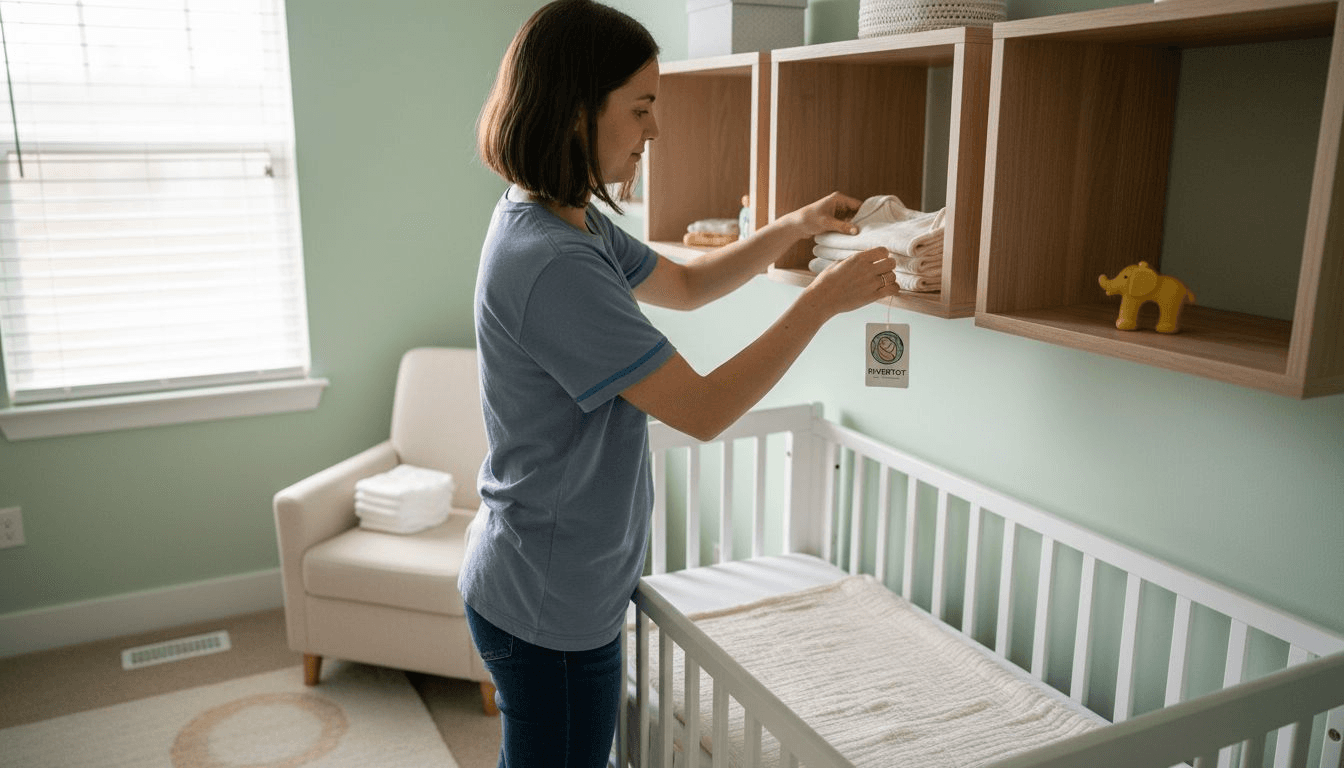
Choosing the right products for your baby can feel overwhelming when conventional options may contain harmful chemicals or contribute to environmental damage. Parents today want to protect their little ones from toxins while also making sustainable choices that support a healthier planet. This guide walks you through understanding organic baby products, identifying safe certifications, selecting the best options across categories, and monitoring ongoing safety in 2026.
Table of Contents
Key takeaways
| Point | Details |
|---|---|
| Baby skin vulnerability | Babies have thinner, more absorbent skin that readily absorbs chemicals from conventional products. |
| Environmental impact | Traditional diapers take 500+ years to decompose, while plastic toys release endocrine disruptors. |
| Certification standards | GOTS ensures organic farming and chemical safety; OEKO-TEX guarantees chemical safety only. |
| Eco-friendly benefits | Organic products reduce waste, offer durability, and provide heirloom-quality items for your family. |
| Safety monitoring | Stay updated on product recalls, especially for organic baby formula and food items. |
Understanding why organic baby products matter
Conventional baby products pose significant risks that many parents overlook. Traditional plastic toys can contain endocrine disruptors, while conventional diapers take over 500 years to decompose. These statistics reveal the dual threat facing families today: immediate health concerns and long-term environmental damage.
Your baby's skin is fundamentally different from yours. It's thinner, more permeable, and absorbs substances more readily than adult skin. When you dress your infant in conventionally produced clothing or use standard baby care products, those chemical residues enter their developing system. The problem extends beyond skin contact to the toys your baby mouths and the surfaces they crawl across.

The environmental cost compounds these health worries. Disposable diapers fill landfills for centuries, releasing methane as they slowly break down. Plastic baby products contribute to microplastic pollution that affects water supplies and ecosystems. When you choose machine washable baby products, you reduce both chemical exposure and waste.
Pro Tip: Start your organic transition with items that have the most skin contact, like sleepwear, blankets, and diapers, where chemical absorption risk is highest.
Here's what makes organic alternatives essential:
- Chemical-free production protects sensitive baby skin from irritants
- Sustainable materials reduce your family's environmental footprint
- Durable organic items often outlast conventional products
- Natural fibers provide better breathability and comfort
Transitioning to organic doesn't mean overhauling everything overnight. Understanding the specific risks helps you prioritize which products to replace first and where organic choices make the biggest difference for your baby's health and our shared environment.

Preparing your nursery for organic baby products
Before shopping, you need to understand certification standards that separate truly safe products from greenwashed imposters. GOTS certification requires fibers produced by organic farming and prohibits harmful chemicals in textiles. This gold standard ensures both organic origin and chemical safety throughout manufacturing.
OEKO-TEX certification guarantees chemical safety but not necessarily organic origin. While valuable, this distinction matters when you're seeking genuinely organic products. A fabric can be OEKO-TEX certified yet made from conventionally grown cotton treated with pesticides.
Harmful substances lurk in unexpected places within baby products:
- Formaldehyde in wrinkle-resistant finishes
- Phthalates in plastic components and some dyes
- Azo dyes that release carcinogenic compounds
- PFAS chemicals in water-resistant treatments
Synthetic fabrics treated with PFAS chemicals present particular concerns. These
Recommended
- Why choose machine washable baby products in 2026 – River tot
- Baby clothing checklist 2026: essentials for comfort – River tot
- UV protection baby gear: Guide to safe outdoor infants – River tot
- How to choose baby clothing for comfort and safety – River tot
- Organic clothing buying guide: premium streetwear 2026 – MEXESS
- Why Select Organic Textiles for Eco-Conscious Design - fabric fabric