
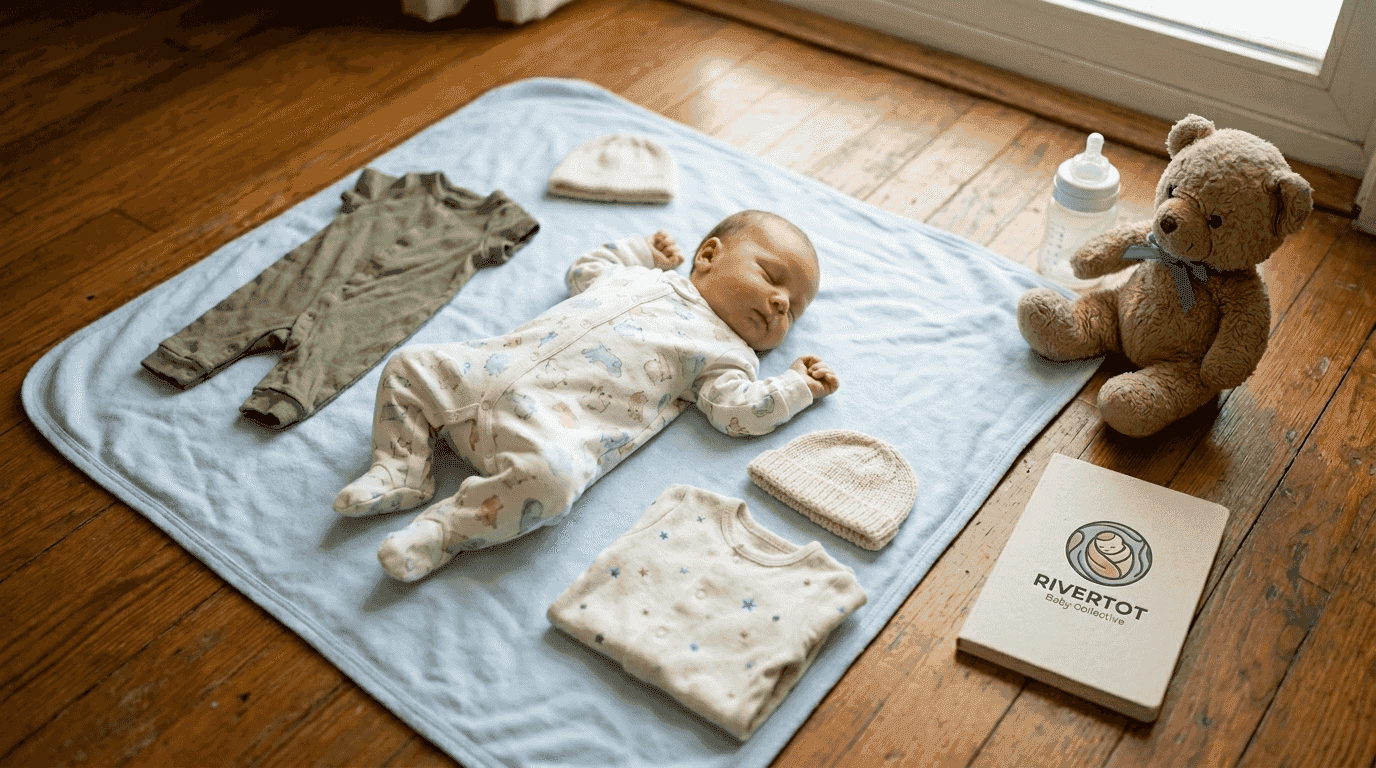
Choosing the right clothing for your newborn can feel overwhelming when you're balancing safety, comfort, and style. Every parent wants their baby to look adorable while staying cozy and protected. With countless options available, from onesies to sleepers to rompers, understanding what works best for your infant's needs simplifies the decision process. This article provides a straightforward framework to evaluate newborn clothing types, explains the key features that matter most, and helps you select pieces that support your baby's wellbeing. By focusing on practical criteria like fabric quality, ease of use, and seasonal appropriateness, you'll build a functional wardrobe that serves your family's unique lifestyle and keeps your little one comfortable every day.
Table of Contents
- What to consider when choosing newborn clothing
- Types of newborn clothing: key options for your baby
- Comparing newborn clothing types: pros, cons, and best uses
- How to decide the best types of newborn clothing for your family
- Shop comfortable newborn clothing at River tot
- Frequently asked questions
Key takeaways
| Point | Details |
|---|---|
| Safety and comfort criteria | Choose clothing with secure fastenings, soft fabrics, and proper fit to protect delicate newborn skin. |
| Essential clothing types | Onesies, sleepers, rompers, hats, and mittens each serve specific purposes for daily care and comfort. |
| Breathable fabrics matter | Soft, breathable materials prevent overheating and skin irritation in infants. |
| Layering supports temperature control | Combining different clothing types helps parents adjust to changing weather and indoor conditions. |
| Practical features simplify caregiving | Snap closures, envelope necks, and stretchy waistbands make diaper changes faster and less stressful. |
What to consider when choosing newborn clothing
Selecting newborn clothing requires careful attention to several key factors that directly impact your baby's safety and comfort. Safety features should always come first. Avoid items with loose buttons, small decorative elements, or long strings that could pose choking or entanglement hazards. Look for secure stitching and flame resistant materials when possible.
Fabric quality makes an enormous difference for delicate infant skin. Breathable, soft fabrics are essential because newborns cannot regulate body temperature effectively. Cotton, bamboo, and other natural fibers allow air circulation while preventing irritation. Synthetic materials may trap heat and cause discomfort or rashes.
Proper fit ensures your baby can move freely without restriction while preventing fabric bunching that could irritate skin. Clothing should be snug enough to stay in place but loose enough to allow natural movement. Check that leg openings, necklines, and armholes don't pinch or bind.
Easy fastenings transform daily care routines. Snap closures along the inseam provide quick diaper access without fully undressing your baby. Envelope necklines stretch to slide over the head easily. These practical features save time and reduce stress during frequent clothing changes.
Durability and washability matter because newborn clothes face constant laundering. Choose items that maintain their shape, softness, and color after repeated washing. Pre-washing new clothes removes manufacturing residues and ensures comfort from the first wear.
When choosing baby clothing for comfort and safety, consider these essential criteria:
- Fabric composition and breathability
- Fastening type and placement
- Sizing that accommodates growth
- Care instructions and washing requirements
- Seasonal appropriateness for your climate
Pro Tip: Buy a few pieces in newborn size and more in 0 to 3 month sizes, since babies grow rapidly and may outgrow the smallest size within weeks.
Types of newborn clothing: key options for your baby
Understanding the main categories of newborn clothing helps you build a practical wardrobe that meets your baby's daily needs. Each type serves specific purposes and offers distinct advantages for both infant comfort and caregiver convenience.
Onesies form the foundation of most newborn wardrobes. These one piece garments feature snap closures at the crotch for easy diaper changes without removing the entire outfit. Onesies and rompers offer all-in-one convenience while keeping babies covered and comfortable. They work as standalone outfits in warm weather or as base layers under other clothing when temperatures drop.
Sleepers, also called footed pajamas, provide full body coverage ideal for nighttime and naps. The attached foot coverings eliminate the need for separate socks, which babies often kick off. Many sleepers feature zipper closures from neck to ankle, making middle-of-the-night diaper changes remarkably simple. The enclosed design helps maintain warmth throughout sleep periods.

Rompers combine style with functionality for daytime wear and special occasions. These versatile pieces come in various sleeve lengths and can be dressed up or down depending on accessories. Sleeveless baby rompers work particularly well in warmer months, allowing maximum arm movement while protecting the torso.
Hats serve a crucial role in temperature regulation for newborns. Babies lose significant body heat through their heads, making soft caps essential in cooler environments. Even in mild weather, a lightweight hat protects delicate scalp skin from sun exposure during outdoor time.
Mittens prevent newborns from scratching their faces with sharp fingernails. While some parents prefer keeping nails trimmed, mittens offer immediate protection, especially during the first weeks when babies have limited control over their hand movements.
Essential newborn clothing types include:
- Newborn baby onesies and rompers for everyday wear
- Footed sleepers for warmth and nighttime comfort
- Short and long sleeve bodysuits for layering flexibility
- Soft hats for temperature control and sun protection
- Scratch mittens to protect delicate facial skin
- Kimono style tops that avoid pulling over the head
Comparing newborn clothing types: pros, cons, and best uses
Each clothing type offers unique benefits and limitations depending on your specific situation and needs. Understanding these trade-offs helps you make informed purchasing decisions.
| Clothing Type | Best For | Advantages | Considerations |
|---|---|---|---|
| Onesies | Daily wear, layering | Easy diaper access, versatile | May require frequent changes |
| Sleepers | Nighttime, cold weather | Full coverage, warmth | Can cause overheating in warm rooms |
| Rompers | Outings, photos | Stylish, comfortable | Less convenient for diaper changes |
| Hats | Temperature regulation | Protects head, prevents heat loss | May slip off active babies |
| Mittens | Preventing scratches | Immediate face protection | Can impede hand exploration |
Onesies excel as everyday staples because they stay tucked in and provide easy access for diaper changes. However, they may need changing more frequently if spit up or diaper leaks occur, since the entire garment gets soiled.
Sleepers shine during nighttime and in cooler environments, keeping babies warm without loose blankets that pose safety risks. The downside is potential overheating if room temperature rises or if the sleeper fabric is too heavy for conditions.
Rompers balance aesthetics with practicality, making them perfect for family gatherings or photo sessions. They allow free leg movement while looking put together. The trade-off is that most rompers require more effort during diaper changes compared to snap-bottom onesies.
Layering with different newborn clothing types provides flexibility to adjust for temperature fluctuations throughout the day. Start with a lightweight onesie as a base layer, add a romper or sleeper depending on temperature, and include a hat when needed. This approach works across seasons and allows quick adjustments as conditions change.
Pro Tip: Keep a variety of clothing types in your diaper bag so you can adapt to unexpected temperature changes or messy situations when away from home.
Consult a baby clothing checklist essentials guide to ensure you have appropriate quantities of each type for your newborn's needs.
How to decide the best types of newborn clothing for your family
Selecting the right mix of newborn clothing depends on several personal factors unique to your family situation. Climate plays a major role in determining which types and quantities you need. Families in warm regions require more lightweight onesies and short sleeve options, while those in colder areas need additional sleepers and layering pieces.
Your laundry routine influences how many items you should stock. If you wash clothes daily, fewer pieces suffice. Parents who prefer doing laundry twice weekly need larger quantities to avoid running out between wash days. Consider your available time and energy when planning your newborn wardrobe.
Baby sensitivity to fabrics varies significantly. Some infants tolerate various materials without issue, while others develop rashes or discomfort with certain textures. Start with small quantities of different fabric types to identify what works best for your baby's skin before investing in larger amounts.
Budget considerations matter when building a newborn wardrobe. Choosing clothing based on environment and baby needs ensures better value by avoiding unnecessary purchases. Focus on versatile, durable pieces that serve multiple purposes rather than specialized items used rarely.
| Decision Factor | Questions to Ask | Impact on Clothing Choice |
|---|---|---|
| Climate | What are typical temperatures? | Determines fabric weight and coverage needs |
| Lifestyle | How often do you leave home? | Affects balance of practical vs. dressy items |
| Laundry frequency | How often can you wash clothes? | Influences total quantity needed |
| Baby sensitivity | Does your infant have skin reactions? | Guides fabric selection and testing approach |
| Budget | What can you reasonably spend? | Shapes quality vs. quantity decisions |
Follow these steps to build an effective newborn clothing collection:
- Assess your climate and typical indoor temperatures
- Determine your preferred laundry schedule
- Start with basic quantities of essential types
- Test different fabrics on your baby's skin
- Adjust quantities based on actual usage patterns
- Prioritize versatile pieces that work across situations
Practical features should guide your final selections. Choose items with snap closures over pullover styles for easier dressing. Look for envelope necklines that expand to slide over the head without catching. Select stretchy waistbands that accommodate different diaper thicknesses comfortably.
Pro Tip: Register for gift cards rather than specific clothing items, allowing you to purchase exactly what your baby needs after birth when you understand their size and your preferences better.
Explore choosing comfortable baby one-pieces for additional guidance on selecting everyday essentials that balance comfort with style.
Shop comfortable newborn clothing at River tot
Now that you understand the key criteria and types of newborn clothing, finding quality pieces that meet your standards becomes the next step. River tot offers a carefully curated selection of safe, comfortable, and stylish newborn apparel designed with both babies and parents in mind.

Explore baby bright comfortable baby clothes featuring soft, breathable fabrics that protect delicate newborn skin while allowing natural movement. The collection includes practical newborn baby onesies and rompers with convenient snap closures and thoughtful design details that simplify daily care routines. Each piece balances functionality with appealing aesthetics, so your baby stays comfortable while looking adorable. River tot supports new parents by offering trusted, quality baby clothing products that meet rigorous safety and comfort standards. Browse the full range at River tot friendly neighborhood baby to discover essentials that fit your family's unique needs and preferences.
Frequently asked questions
What types of clothes are best for newborns?
The best newborn clothes prioritize safety, comfort, and ease of use. Soft cotton onesies with snap closures provide versatile everyday wear, while footed sleepers keep babies warm during sleep without loose blankets. Choose items with envelope necklines and stretchy fabrics that simplify dressing and diaper changes.
Can newborns wear cotton clothes?
Yes, cotton is widely recommended as one of the best fabrics for newborn clothing. It offers natural breathability that helps regulate body temperature while remaining gentle on sensitive infant skin. Cotton's softness and hypoallergenic properties make it ideal for babies prone to irritation or rashes.
How many outfits does a newborn need?
Most parents find that seven to ten complete outfits provide a practical starting point for newborns. This quantity allows for daily changes plus extras for inevitable messes while accommodating typical laundry schedules. Adjust based on your washing frequency, climate, and how quickly your baby grows.
What clothing features improve diaper changes?
Snap closures along the inseam allow quick diaper access without removing the entire outfit, saving time and keeping babies comfortable. Envelope necklines stretch easily over the head, while elastic waistbands accommodate different diaper thicknesses. These features reduce stress during frequent changes throughout the day and night.
Recommended
- Comfortable Baby One-Pieces: Tips for Choosing Stylish Outfits – River tot
- How to choose baby clothing for comfort and safety – River tot
- Baby clothing checklist 2026: essentials for comfort – River tot
- Newborn Photoshoot OutfitsEssential Tips for Stunning Baby Photography – River tot
- Why Beanies Are Popular: The Style and Comfort Factor
- Gifts for New Parents - Capture Every Precious Moment