
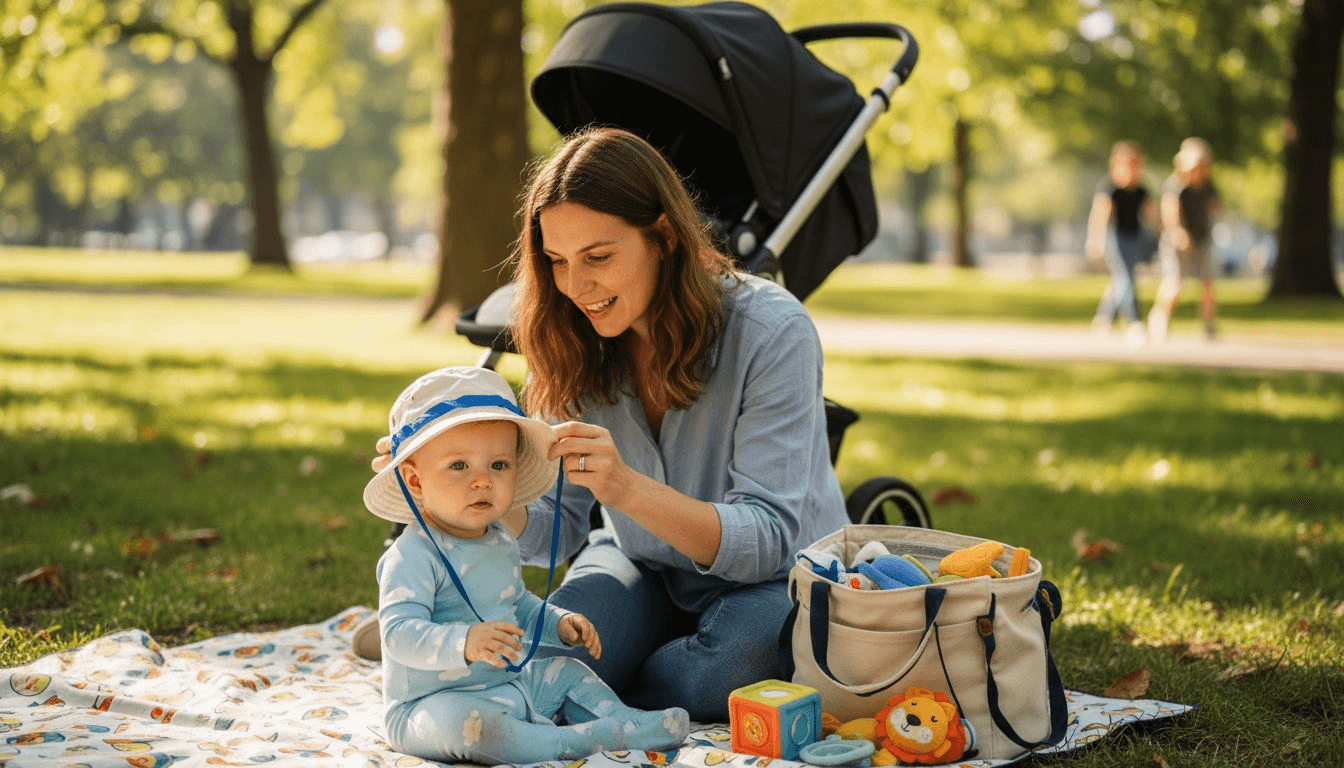
Many parents believe that any baby clothing labeled 'sun protective' will shield their infant from harmful UV rays, but this assumption can leave babies vulnerable to serious skin damage. The truth is, not all UV protective baby gear delivers the same level of protection, and understanding the science behind effective gear is essential for keeping your little one safe during outdoor adventures. This guide breaks down the standards, gear types, and practical strategies you need to confidently protect your baby's delicate skin.
Table of Contents
- Understanding UV protection: the science behind baby gear
- Material standards and UV protection ratings
- Comparing types of baby gear for UV protection
- Common misconceptions about UV protection in baby gear
- How to choose and use UV protective baby gear
- Why UV protection matters for babies
- Keep your baby safe with comfortable UV protective clothes from River TOT
- Frequently asked questions about UV protection baby gear
Key takeaways
| Point | Details | |-------|---------|| | UV protective baby gear blocks harmful UVA and UVB rays that damage infant skin | Proper gear reduces UV exposure by 50-70%, preventing both immediate burns and long-term skin cancer risk | | UPF ratings and ASTM/AATCC standards ensure reliable UV protection performance | Certified UPF 50+ fabrics block approximately 98% of UV radiation when properly maintained | | Different gear types offer varying coverage and protection levels | Combining clothing, hats, and shade tents provides comprehensive defense across outdoor activities | | Common misconceptions about color and sunscreen need correction for safety | Fabric density and treatment matter more than color, and sunscreen supplements rather than replaces protective clothing | | Choosing, using, and maintaining certified gear is key to effective UV defense | Following care instructions preserves UPF ratings and ensures continued protection through repeated use |
Understanding UV protection: the science behind baby gear
UV radiation from the sun consists primarily of UVA and UVB rays, both of which penetrate skin and cause cellular damage. UVA rays account for about 95% of UV radiation reaching Earth's surface and penetrate deeper into skin layers, while UVB rays cause more immediate surface damage like sunburn.
Infants face uniquely elevated risks because their skin is significantly thinner and contains less melanin than adult skin. This delicate barrier offers minimal natural defense against UV penetration, making babies extraordinarily susceptible to both acute burns and cumulative cellular damage.
The stakes are high because UV exposure accumulates throughout life, starting from infancy. Research shows that experiencing severe sunburns during childhood substantially increases the lifetime risk of developing melanoma and other skin cancers decades later.
Key vulnerability factors for infant skin include:
- Thinner epidermal layers that allow deeper UV penetration
- Lower melanin production reducing natural photoprotection
- Rapidly dividing skin cells more susceptible to DNA damage
- Immature skin repair mechanisms less effective at reversing UV harm
"The first 18 years of life represent a critical window when UV damage accumulates most rapidly and has the greatest impact on future cancer risk."
Understanding this biological vulnerability underscores why selecting proper UV protective baby gear isn't optional, it's essential preventive health care for your infant.
Material standards and UV protection ratings
The UPF rating measures fabric's UV blocking power, similar to how SPF rates sunscreen. A UPF 50+ rating means the fabric blocks at least 98% of UV radiation, allowing less than 2% to reach the skin beneath.
Two primary testing standards verify these claims. ASTM D6603 is the American standard test method measuring UV transmission through fabrics, while AATCC TM183 provides an alternative protocol widely recognized in textile manufacturing. Both methods expose fabric samples to controlled UV sources and measure how much radiation passes through.
When shopping for UV protective baby gear, look for these rating benchmarks:
- UPF 15-24: Good protection, blocks 93.3-95.9% of UV
- UPF 25-39: Very good protection, blocks 96.0-97.4% of UV
- UPF 40-50+: Excellent protection, blocks 97.5-98%+ of UV
| Standard | What it measures | Reliable rating threshold |
|---|---|---|
| ASTM D6603 | UV transmission through textiles | UPF 50+ certification |
| AATCC TM183 | Spectrophotometric UV blocking | UPF 40+ minimum |
| AS/NZS 4399 | Australian/New Zealand sun protective standard | UPF 50+ for children |
One critical maintenance consideration: regular washing can reduce UPF values over time. Detergents, mechanical agitation, and fabric wear gradually diminish UV blocking effectiveness. Always follow care labels to preserve protection as long as possible.
Pro Tip: Always choose certified UPF 50+ baby clothing for maximum protection, and replace items showing visible wear or fading even if they still fit.
Comparing types of baby gear for UV protection
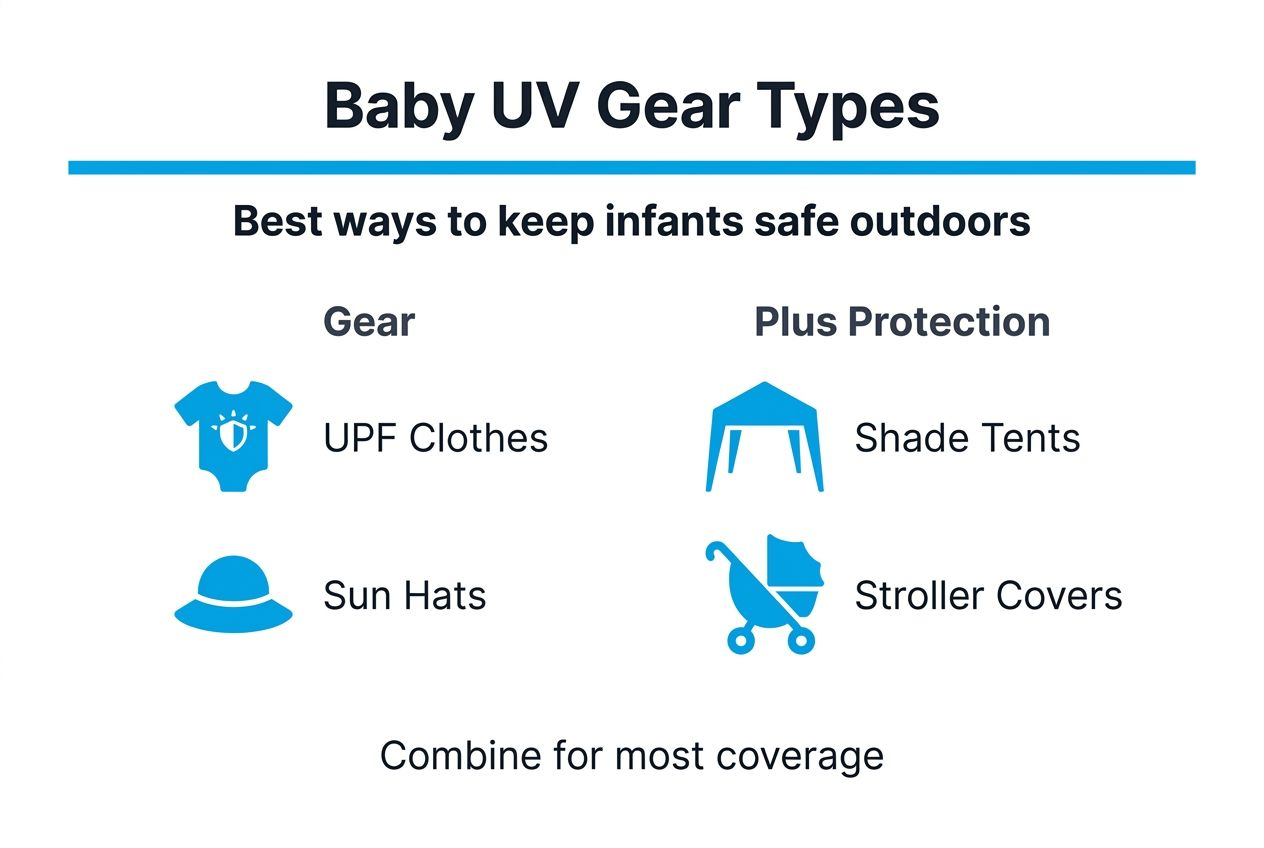
UV protective baby gear comes in several forms, each offering distinct advantages for different outdoor situations. Understanding how clothing, hats, and shade structures compare helps you build a comprehensive protection strategy.
UPF-rated clothing provides the most consistent full-body coverage. Long-sleeved shirts, pants, and one-piece suits with certified ratings block UV rays across large skin areas without requiring reapplication like sunscreen. Specialized baby swimwear extends this protection to water activities.

Wide-brimmed hats protect vulnerable areas that clothing often misses: the face, ears, and back of the neck. Look for brims at least 2-3 inches wide that provide 360-degree shade. Neck flaps on sun hats add extra coverage for particularly sensitive neck skin.
Portable shade tents and canopies create UV-filtered zones during stationary outdoor time. Beach tents, stroller covers, and play yard canopies with UPF-rated fabric offer refuge when babies need breaks from direct sun exposure.
| Gear type | Coverage area | Protection level | Best use scenario | Limitations |
|---|---|---|---|---|
| UPF clothing | Full body, limbs, torso | UPF 50+ blocks 98% UV | All outdoor activities | Requires proper fit and fabric integrity |
| Wide-brim hats | Face, ears, neck | Variable, depends on brim size | Added facial protection | Babies may remove hats frequently |
| Shade tents | Entire body when inside | UPF 50+ fabric blocks 98% | Beach, park, stationary play | Limited during movement, requires setup |
| Stroller canopies | Upper body, head | UPF 30-50+ | Daily walks, errands | Partial coverage, legs often exposed |
The most effective approach combines multiple gear types. Pairing UPF clothing with a wide-brim hat and using shade structures during rest periods creates layered defense that adapts to various outdoor situations your family encounters.
Common misconceptions about UV protection in baby gear
Several persistent myths mislead parents about what actually provides effective UV protection for babies. Clearing up these misunderstandings is crucial for making informed gear choices.
-
Darker colors always mean better UV protection. While dark fabrics may absorb more UV than very light ones, fabric density, weave tightness, and chemical treatments matter far more than color alone. A loosely woven dark shirt offers less protection than a tightly woven light shirt with UV-blocking treatment.
-
Sunscreen alone provides sufficient protection for babies. The American Academy of Pediatrics recommends sunscreen for infants over 6 months, but it should supplement, not replace, UV protective clothing. Sunscreen requires frequent reapplication, can be unevenly applied, and may cause skin sensitivity in some babies. Clothing provides more reliable, consistent coverage.
-
All products labeled 'sun protective' or 'UV protective' deliver the same results. Marketing claims vary widely in accuracy and verification. Without independent certification from standards like ASTM D6603 or AATCC TM183, there's no guarantee a product meets specific protection thresholds. Some manufacturers use these terms loosely without rigorous testing.
-
Regular clothing offers the same protection as UPF-rated clothing. Standard cotton t-shirts typically provide only UPF 5-7 when dry, and even less when wet. Purpose-designed UV protective baby gear undergoes treatment and construction specifically to achieve UPF 50+ ratings.
-
Once you buy UV protective gear, it lasts forever. Fabric degradation from washing, stretching, and sun exposure gradually reduces UV blocking effectiveness. Inspect gear regularly for thinning, tears, or excessive fading, which signal diminished protection requiring replacement.
Parents should verify certifications and look for specific UPF ratings on labels rather than trusting vague marketing language about sun protection.
How to choose and use UV protective baby gear
Selecting effective UV protective baby gear requires attention to certifications, fit, and complementary accessories that work together for maximum defense.
Start by confirming UPF certification. Look for clothing rated UPF 50+ with testing verified by ASTM or AATCC standards. Check labels or product descriptions for these specific callouts rather than generic sun protection claims.
Fit matters significantly for protection. Clothing should fit snugly enough to stay in place during movement but allow comfortable range of motion. Gaps, riding up, or loose sleeves expose skin to direct UV rays. Pay attention to sizing as babies grow quickly and outgrown gear may not cover adequately.
Complement clothing with protective accessories:
- Wide-brim hats with at least 3-inch brims and chin straps to prevent removal
- Baby sunglasses with UV400 protection for eye safety
- Stroller canopies or attachable sunshades for on-the-go coverage
- Portable pop-up tents for beach or park outings
Proper care preserves UPF ratings through repeated use. Washing can decrease UPF values by up to 20%, so follow manufacturer care instructions precisely. Use gentle detergents, avoid bleach, line dry when possible, and inspect items regularly for wear. Replace gear showing significant fading, thinning, or damage.
Timing and layering strategies enhance protection:
- Apply UV protective clothing before going outdoors, not after sun exposure begins
- Layer multiple protective items during peak UV hours between 10 AM and 4 PM
- Combine shade structures with clothing when babies play stationary activities
- Keep backup items in your diaper bag for unexpected extended outdoor time
Pro Tip: Layering UV protective items reduces exposure by over 75%, so pairing a UPF 50+ one-piece with a wide-brim hat and shade tent creates powerful combined defense for vulnerable infant skin.
When selecting comfortable baby one-pieces or winter clothes for seasonal use, apply the same verification principles by checking for UPF ratings and trusted certifications. Visit River TOT to explore collections designed with both protection and comfort in mind.
Why UV protection matters for babies
The health implications of UV exposure during infancy extend far beyond temporary sunburn discomfort. Early-life exposure fundamentally shapes lifelong skin cancer risk in ways that make infant protection a critical preventive health priority.
Research consistently demonstrates that childhood sunburns, particularly before age 18, substantially elevate melanoma risk in adulthood. Each blistering burn during youth increases the likelihood of developing this dangerous skin cancer decades later. The cumulative nature of UV damage means protection during infancy establishes a healthier baseline.
Proper UV protective gear reduces infant UV exposure by 50-70%, dramatically lowering both immediate burn risk and long-term cellular damage. This proven effectiveness gives parents a reliable tool for safeguarding their babies during essential outdoor time.
Consistent use delivers measurable benefits:
- Prevents painful sunburns that cause immediate distress and skin damage
- Reduces cumulative UV dose absorbed during critical developmental years
- Lowers lifetime melanoma and non-melanoma skin cancer risk
- Protects eyes from UV-related damage when combined with baby sunglasses
- Allows healthy outdoor play and vitamin D synthesis without excessive exposure
"Establishing sun-safe habits from infancy creates patterns that children carry into adolescence and adulthood, multiplying the protective effect across their lifetime."
The evidence supporting UV protective baby gear is clear and compelling. Parents who invest in certified, properly maintained gear and use it consistently during outdoor activities provide their infants with a fundamental health advantage that compounds over decades.
Keep your baby safe with comfortable UV protective clothes from River TOT
Now that you understand the science and standards behind effective UV protection, it's time to equip your baby with gear that delivers real results. River TOT specializes in adorable, soft, UPF-rated baby clothes designed to keep infants protected and comfortable during outdoor adventures.

Explore a carefully curated range of comfortable UV protective clothing and accessories tailored for infants and toddlers. From breathable one-pieces perfect for summer play to versatile children's clothes suitable for year-round wear, every item prioritizes quality, verified UV protection, and the softness babies need.
Shop confidently knowing that River TOT emphasizes safety and comfort in every product selection. Browse collections designed by parents who understand that effective protection shouldn't compromise style or wearability. Make your baby's outdoor time safer, more comfortable, and more enjoyable with trusted gear from River TOT.
Frequently asked questions about UV protection baby gear
What does UPF 50+ mean for baby clothes?
UPF 50+ indicates that fabric blocks at least 98% of UV radiation, allowing less than 2% to reach your baby's skin. This rating represents the highest standard for sun protective textiles and provides excellent defense against both UVA and UVB rays during outdoor activities.
How can I tell if UV protective baby gear is truly certified?
Look for specific testing standard mentions like ASTM D6603 or AATCC TM183 on product labels or descriptions. Legitimate certifications include numbered UPF ratings rather than vague claims, and reputable manufacturers provide documentation of independent testing results.
Does washing baby UV protective clothing reduce its effectiveness?
Yes, repeated washing can decrease UPF values by up to 20% over time due to detergent effects, mechanical wear, and fabric degradation. Follow care instructions carefully, use gentle detergents, avoid bleach, and replace items showing visible thinning or fading to maintain protection levels.
Can I rely only on a hat for my baby's UV protection?
No, hats alone provide incomplete coverage since they primarily protect the face, ears, and neck while leaving arms, legs, and torso exposed. Combine wide-brim hats with UPF-rated clothing and shade structures for comprehensive defense across all skin areas during extended outdoor time.
At what age should I start using UV protective baby gear?
Begin using UV protective gear from birth for any outdoor exposure beyond brief periods. Newborns and young infants have especially vulnerable skin with minimal natural defenses, making early consistent protection crucial for establishing healthy habits and preventing cumulative damage from the start.
How do I combine UV protective clothing with sunscreen for babies?
Use UPF-rated clothing as your primary defense, covering as much skin as possible. Apply baby-safe sunscreen to remaining exposed areas like hands, feet, and face for infants over 6 months old. Reapply sunscreen every two hours, and prioritize clothing over sunscreen whenever feasible for more reliable coverage.
Recommended
- Baby Protective Pillow - The Best Sleep Solution for Infants – River tot
- River TOT The friendly neighborhood baby with all that a mother needs. – River tot
- Comfortable Baby One-Pieces: Tips for Choosing Stylish Outfits – River tot
- Winter Clothes for Kids: The Ultimate Guide to Choosing Wisely – River tot