
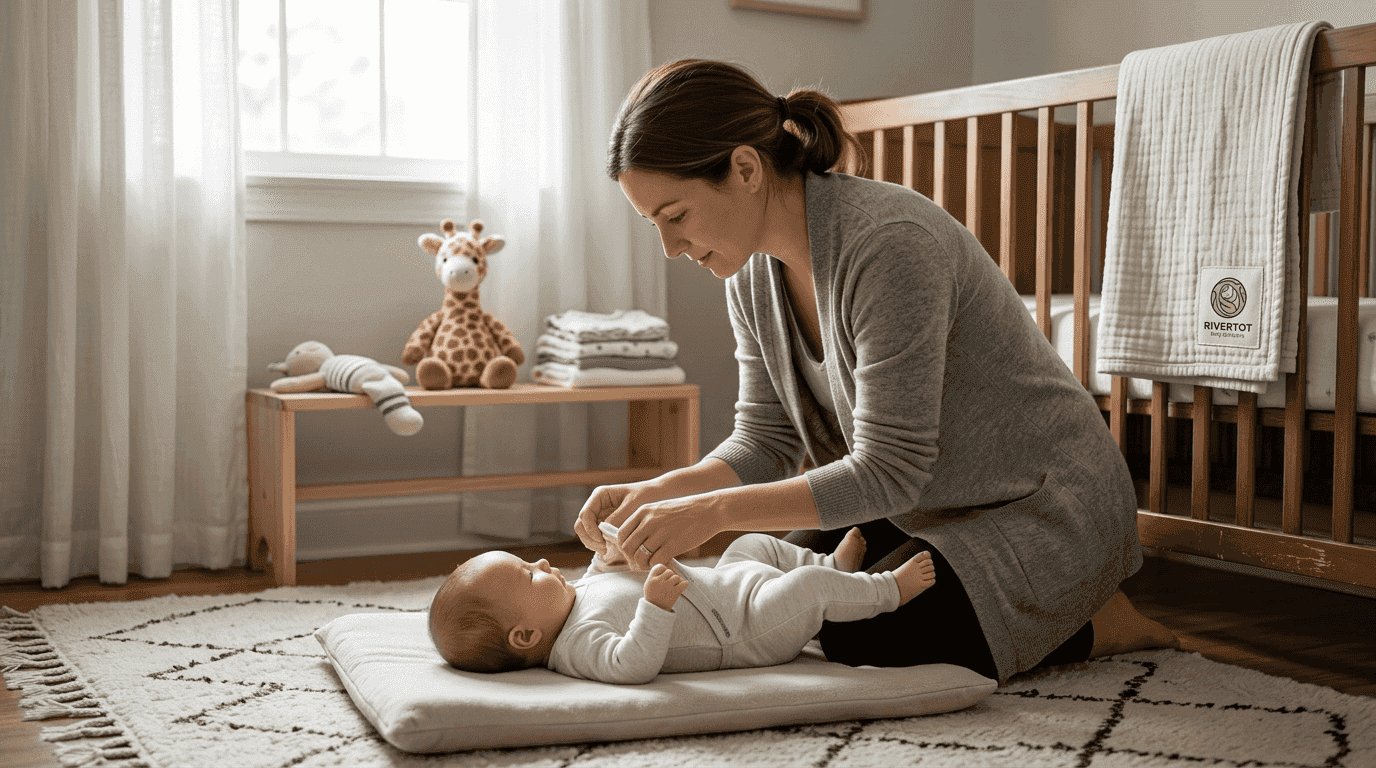
Choosing the right clothing for your baby shouldn't feel like navigating a minefield, yet many parents discover too late that conventional fabrics trigger skin reactions. Research shows that newborns wearing polyester bodysuits experienced 28% higher dermatitis rates compared to cotton alternatives. Hypoallergenic baby clothing offers a science-backed solution, using carefully selected materials and manufacturing processes to minimize irritation. This guide explains what makes clothing truly hypoallergenic, which certifications matter, and how to choose garments that protect your baby's delicate skin while supporting their comfort and health.
Table of Contents
- What is hypoallergenic baby clothing? Materials and standards
- Why hypoallergenic fabrics matter: infant skin sensitivities and irritation risks
- Features of hypoallergenic clothing: design and manufacturing to reduce irritation
- How to choose and care for hypoallergenic baby clothing
- Shop hypoallergenic baby clothes at River Tot
- Frequently asked questions
Key takeaways
| Point | Details |
|---|---|
| Natural fibers protect sensitive skin | Organic cotton, bamboo, and Tencel minimize allergic reactions through breathable, chemical-free construction |
| Certifications guarantee safety standards | GOTS and OEKO-TEX Standard 100 ensure fabrics contain no harmful chemicals or pesticides |
| Design features reduce friction irritation | Tagless labels and flat seams prevent rubbing against delicate infant skin |
| Proper care maintains hypoallergenic properties | Mild detergents and gentle washing preserve fabric softness and chemical-free qualities |
| Avoiding synthetics prevents dermatitis | Polyester and synthetic dyes significantly increase skin irritation risk in babies |
What is hypoallergenic baby clothing? Materials and standards
Hypoallergenic baby clothing refers to garments made from materials less likely to cause allergic reactions, typically featuring natural fibers and chemical-free production. These specialized garments prioritize your baby's skin health through thoughtful material selection and manufacturing oversight. Understanding what qualifies as truly hypoallergenic helps you make informed purchasing decisions that protect your infant from unnecessary irritation.
The foundation of hypoallergenic clothing lies in its fiber composition. Organic cotton stands as the gold standard, grown without synthetic pesticides or fertilizers that can leave residues in finished fabrics. Bamboo viscose offers natural antibacterial properties while remaining incredibly soft against skin. Tencel, derived from sustainably harvested wood pulp, provides exceptional moisture-wicking capabilities that keep babies dry and comfortable.
Certification standards separate genuine hypoallergenic products from marketing claims. The Global Organic Textile Standard (GOTS) verifies that cotton contains at least 70% organic fibers and follows strict supply chain protocols. OEKO-TEX Standard 100 tests fabrics for over 100 harmful substances, including formaldehyde, heavy metals, and pesticides. These certifications provide third-party verification that garments meet rigorous safety benchmarks.
Manufacturers of hypoallergenic clothing avoid several problematic substances:
- Synthetic dyes containing allergenic compounds
- Formaldehyde-based wrinkle treatments
- Flame retardants with potential skin irritants
- Pesticide residues from conventional cotton farming
- Harsh bleaching agents that weaken fibers
Natural fibers deliver multiple benefits beyond allergen avoidance. Their breathability allows air circulation that regulates body temperature, preventing the moisture buildup that encourages bacterial growth. The moisture-wicking properties draw perspiration away from skin, maintaining dryness that reduces rash risk. Some natural materials like bamboo possess inherent antibacterial qualities that provide additional protection. When shopping for machine washable baby products, prioritize these certified natural fibers for maximum skin safety.
Why hypoallergenic fabrics matter: infant skin sensitivities and irritation risks
Your baby's skin operates fundamentally differently from adult skin, creating vulnerabilities that demand careful fabric selection. Infant skin features a 30% thinner stratum corneum increasing permeability, the outermost protective barrier that shields against environmental irritants. This structural difference means chemicals, allergens, and rough textures penetrate more easily, triggering inflammatory responses that manifest as rashes, redness, or eczema flares.
The epidermis in newborns hasn't fully developed its protective functions. Sebaceous glands produce less natural oil, leaving skin drier and more prone to cracking. The pH balance differs from adults, making babies more susceptible to bacterial colonization when moisture gets trapped against skin. These factors combine to create a perfect storm where fabric choice becomes a critical health consideration, not merely a comfort preference.
Scientific evidence demonstrates clear connections between fabric types and dermatitis incidence. Japanese dermatology clinics documented that polyester clothing caused significantly higher irritation rates compared to natural alternatives. The synthetic fibers trap heat and moisture while their rougher texture creates friction points that damage the delicate stratum corneum. This mechanical irritation compounds chemical sensitivities, explaining why some babies develop rashes despite using gentle detergents.
Textile dyes represent the most common allergen affecting children, with patch tests showing 86.87% positivity rates among pediatric patients. These synthetic colorants contain compounds like disperse dyes and azo dyes that trigger delayed hypersensitivity reactions. Even garments washed multiple times can retain enough dye residue to provoke responses in highly sensitive infants. This data underscores why hypoallergenic clothing manufacturers avoid synthetic coloring agents entirely.
Common irritants in conventional baby apparel include:
- Disperse dyes used in synthetic fabric coloring
- Formaldehyde resins applied for wrinkle resistance
- Nickel-containing snaps and fasteners
- Rubber elastic bands with latex proteins
- Rough interior seams that create friction points
- Chemical sizing agents that stiffen new fabrics
"The combination of thinner skin barriers and higher surface area to body weight ratios makes infants particularly vulnerable to textile-related contact dermatitis, with synthetic materials showing consistently higher irritation profiles than natural fiber alternatives."
Understanding these vulnerabilities transforms how you approach choosing baby clothing for comfort and safety. Every fabric choice either supports or challenges your baby's developing skin barrier. Selecting hypoallergenic options isn't overprotective parenting, it's responding appropriately to documented physiological differences that make infants genuinely more susceptible to textile irritants.
Features of hypoallergenic clothing: design and manufacturing to reduce irritation
Beyond fabric selection, specific design and manufacturing practices distinguish truly hypoallergenic clothing from conventional alternatives. Certified chemical-free fabrics, flat seams, and tagless designs reduce friction and irritants through intentional construction choices. These features work synergistically with material selection to create garments that actively protect rather than merely avoid harming sensitive skin.
Flat seams represent a fundamental design improvement over traditional raised stitching. Standard seams create ridges that press against skin, causing friction with every movement. This constant rubbing damages the already thin stratum corneum, creating entry points for irritants and bacteria. Flat seam construction positions stitching so it lies flush against fabric, eliminating these pressure points. The technique requires specialized equipment and adds production costs, explaining why budget clothing typically lacks this feature.

Tagless labels eliminate another common irritation source. Traditional sewn-in tags scratch delicate neck and back areas, causing red marks and discomfort that makes babies fussy. Modern hypoallergenic garments use printed care instructions directly on fabric or place soft printed labels in less sensitive areas. This seemingly small change dramatically improves wearability for babies with heightened tactile sensitivity.
OEKO-TEX Standard 100 certification verifies that fabrics contain no harmful substances at levels that could impact health. The testing protocol examines over 100 chemicals across multiple categories, including pesticides, heavy metals, formaldehyde, and phthalates. Garments earning this certification undergo rigorous laboratory analysis, providing parents with documented assurance beyond manufacturer claims. When evaluating products, look for the OEKO-TEX label with its unique certification number that you can verify online.
Manufacturers committed to hypoallergenic production avoid chemical treatments entirely:
- Synthetic dye baths replaced with natural plant-based colorants
- Chemical flame retardants eliminated in favor of inherently fire-resistant fibers
- Formaldehyde-free finishing processes that maintain softness naturally
- Chlorine-free bleaching using oxygen-based alternatives
- Pesticide-free growing practices for all natural fiber sources
Breathability and moisture-wicking properties emerge from fiber structure rather than chemical treatments. Natural fibers contain microscopic channels that allow air circulation and draw moisture away through capillary action. This inherent functionality means hypoallergenic clothing doesn't sacrifice performance for safety. Babies stay cooler in warm weather and drier during active play, reducing the damp conditions that promote rash development.
Pro Tip: When shopping online, zoom in on product images to examine seam construction and check whether tags appear to be sewn-in or printed. Request detailed certification documentation before purchasing, as legitimate manufacturers readily provide GOTS or OEKO-TEX verification. This extra diligence ensures you receive genuinely hypoallergenic garments rather than products making unsubstantiated claims.
The intersection of thoughtful design and certified materials creates clothing that supports skin health actively. These features become especially important for babies with diagnosed eczema or known sensitivities, where every design choice either helps manage symptoms or triggers flares. Prioritizing these construction details alongside fabric selection when building your baby's wardrobe pays dividends in comfort and reduced skin reactions. Explore options in baby clothing checklist 2026 essentials and learn more about breathability in baby clothes for comprehensive guidance.
How to choose and care for hypoallergenic baby clothing
Selecting appropriate hypoallergenic clothing requires evaluating multiple factors beyond simple material labels. Certified organic cotton requires at least 70% organic fibers and strict supply chain oversight, but understanding how different natural fibers compare helps you match garments to your baby's specific needs. The following comparison illuminates key differences between popular hypoallergenic materials:

| Fiber Type | Softness | Breathability | Moisture Wicking | Durability | Best For |
|---|---|---|---|---|---|
| Organic Cotton | Very soft | Excellent | Good | High | Everyday wear, all seasons |
| Bamboo Viscose | Extremely soft | Excellent | Excellent | Moderate | Warm weather, active babies |
| Tencel | Silky soft | Very good | Excellent | Moderate | Sensitive skin, moisture control |
When shopping for baby clothing, follow these evaluation steps:
- Verify certification labels for GOTS, OEKO-TEX Standard 100, or equivalent third-party verification
- Read fabric content listings to confirm 100% natural fiber composition without synthetic blends
- Examine construction details including seam type, label placement, and fastener materials
- Check manufacturer transparency regarding production practices and chemical avoidance
- Review customer feedback specifically mentioning skin sensitivity and washing durability
- Compare pricing against certification status, as legitimate hypoallergenic garments cost more than conventional alternatives
Proper washing preserves the hypoallergenic qualities that make these garments valuable. Conventional detergents contain fragrances, optical brighteners, and harsh surfactants that deposit residues on fabric. These chemicals accumulate with repeated washing, gradually compromising the skin-safe properties you paid premium prices to obtain. Instead, choose fragrance-free detergents specifically formulated for sensitive skin, using half the recommended amount since baby clothes rarely carry heavy soiling.
Avoid fabric softeners entirely, despite their appeal for maintaining softness. These products coat fibers with waxy compounds that reduce breathability and can trigger allergic responses. The coating also decreases moisture-wicking performance, trapping perspiration against skin. Natural fibers maintain softness through proper washing without chemical enhancement. If static cling becomes problematic, add white vinegar to the rinse cycle as a natural alternative.
Washing new clothes before first wear removes manufacturing residues, excess dyes, and handling contaminants accumulated during shipping and storage. Even certified hypoallergenic garments benefit from this initial cleaning. Use hot water for this first wash if care labels permit, as higher temperatures more effectively eliminate residual compounds. Subsequent washes can use cooler temperatures to preserve fabric integrity while maintaining cleanliness.
Pro Tip: Purchase multiple machine washable hypoallergenic garments in rotation rather than relying on a few favorites. This approach reduces wear from frequent washing while ensuring you always have clean options available. The investment pays off through extended garment life and consistent skin protection. Consider starting with an organic cotton baby bodysuit as a foundational piece.
Drying methods also impact fabric performance and longevity. High heat tumble drying can damage natural fibers, causing shrinkage and reducing softness over time. Line drying or using low heat settings preserves fabric structure while maintaining the breathable qualities that make hypoallergenic clothing effective. The gentler approach extends garment life, maximizing your investment in premium baby clothing.
Storage practices matter too. Keep clean baby clothes in dry, well-ventilated spaces away from potential contaminants like cleaning products or strong fragrances. Avoid cedar chests or mothballs, as these emit chemicals that can absorb into fabrics. Simple drawer or closet storage in breathable containers provides adequate protection while maintaining the chemical-free status of hypoallergenic garments. For more detailed care guidance, review recommendations for machine washable baby products to ensure your investment in safe clothing delivers lasting value.
Shop hypoallergenic baby clothes at River Tot
Finding genuinely hypoallergenic baby clothing that meets rigorous safety standards while offering style and comfort can feel overwhelming. River Tot curates a specialized selection of certified hypoallergenic garments made from organic cotton, bamboo, and other skin-safe fibers. Every product undergoes careful vetting to ensure it delivers the protective qualities sensitive skin requires.

Our collections feature thoughtful design elements including tagless construction, flat seams, and chemical-free finishes that eliminate common irritation triggers. From everyday bodysuits to special occasion outfits, each piece balances safety with the durability active babies demand. The comfortable baby clothes collection showcases how protective clothing doesn't sacrifice style, while our organic cotton baby bodysuit line provides certified safe basics for building your infant's wardrobe. Shopping at River Tot means accessing expert-curated options that prioritize your baby's skin health without compromising on quality or aesthetics. Browse our full range to discover how the right clothing choices support your baby's comfort and your peace of mind.
Frequently asked questions
What fabrics are best for babies with sensitive skin?
Organic cotton, bamboo viscose, and Tencel rank as the safest options due to their natural softness and absence of chemical irritants. These materials provide breathability that prevents moisture buildup while their smooth fibers minimize friction against delicate skin. Always verify GOTS or OEKO-TEX certifications to ensure fabrics meet documented safety standards rather than relying on marketing claims alone.
How do I know if baby clothing is truly hypoallergenic?
Look for third-party certifications like GOTS and OEKO-TEX Standard 100 printed on labels or product descriptions, which verify independent testing for harmful substances. Examine fabric content listings to confirm 100% natural fiber composition without synthetic blends. Reputable manufacturers provide detailed certification documentation and transparent production information. Customer reviews mentioning skin sensitivity outcomes offer additional validation beyond manufacturer claims. Products from trusted retailers like those in choosing baby clothing for comfort guides typically meet genuine hypoallergenic standards.
What washing methods are best for hypoallergenic baby clothes?
Use fragrance-free detergents specifically formulated for sensitive skin, applying half the standard amount since baby garments rarely carry heavy soiling. Avoid fabric softeners completely, as they deposit residues that reduce breathability and can trigger reactions. Wash all new clothing before first wear to remove manufacturing residues, using hot water if care labels permit. Choose gentle wash cycles and low-heat or line drying to preserve natural fiber integrity. Adding white vinegar to rinse cycles provides natural softening without chemical additives. Following these practices maintains the hypoallergenic properties that protect your baby's skin. For comprehensive care guidance, review tips for machine washable baby products care.
Can hypoallergenic clothing prevent eczema in babies?
Hypoallergenic clothing reduces irritation triggers that can worsen eczema symptoms but doesn't prevent the condition, which has genetic and immune system components. The right fabrics minimize flares by eliminating rough textures, chemical irritants, and moisture-trapping materials that aggravate sensitive skin. Babies with diagnosed eczema benefit significantly from certified organic cotton and bamboo garments featuring flat seams and tagless construction. Combining hypoallergenic clothing with proper skincare and medical guidance provides the most effective management approach.
Are all organic cotton clothes automatically hypoallergenic?
Organic cotton provides a hypoallergenic foundation, but garment construction and finishing processes determine final skin safety. Clothing made from organic cotton but featuring synthetic dyes, harsh chemical treatments, or rough seams may still irritate sensitive skin. Verify that products carry comprehensive certifications covering both fiber sourcing and manufacturing processes. Check construction details including seam types and label placement, as these design elements significantly impact irritation potential. A certified organic cotton bodysuit with proper construction offers superior protection compared to organic fabric alone.
How many hypoallergenic outfits does my baby need?
Maintain at least 7 to 10 hypoallergenic bodysuits or outfits in rotation to ensure clean options remain available between laundry cycles. This quantity accounts for multiple daily changes common with infants while reducing wear from excessive washing. Having adequate backup prevents resorting to conventional clothing that might trigger skin reactions during busy periods. The investment in sufficient hypoallergenic garments pays dividends through consistent skin protection and reduced laundry stress. Consider your baby's typical clothing needs and washing frequency when determining the optimal wardrobe size for your situation.