
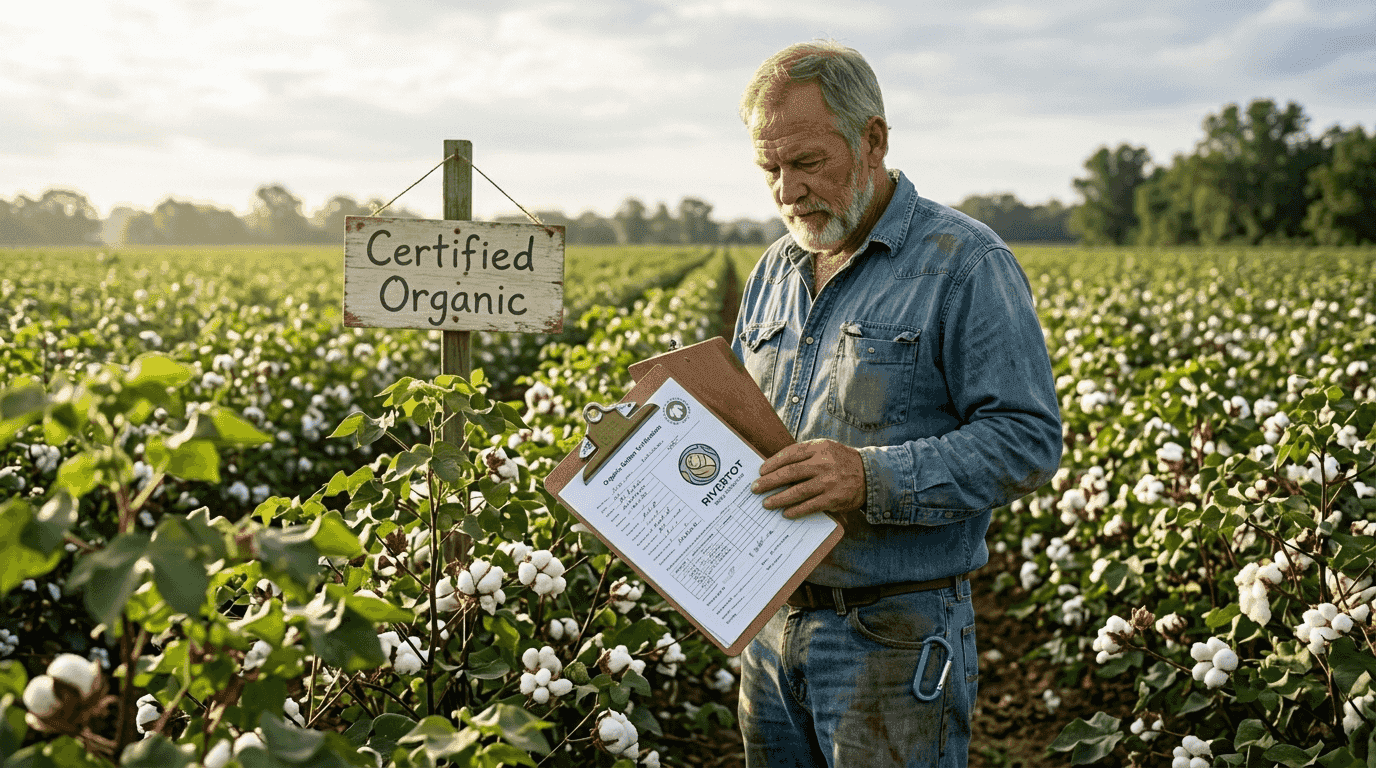
Many parents don't realize that conventional cotton retains pesticide residues that can irritate delicate infant skin. Organic cotton offers a safer, chemical-free alternative that protects babies while supporting environmental health. This guide explains what makes cotton truly organic, how certifications like GOTS ensure quality, and why choosing organic matters for your child's comfort and safety. You'll learn to identify genuine organic products, understand health benefits, and make informed choices for your little one's wardrobe.
Table of Contents
- Understanding organic cotton and its certifications
- Health benefits of organic cotton for infants and toddlers
- Environmental impact and sustainability of organic cotton production
- Practical tips for choosing and caring for organic cotton baby clothing
- Explore safe and cozy organic cotton clothes for your baby
- What is organic cotton? Frequently asked questions
Key takeaways
| Point | Details |
|---|---|
| Chemical-free farming | Organic cotton avoids synthetic pesticides and GMOs that can irritate sensitive infant skin. |
| GOTS certification matters | This gold standard bans over 300 harmful substances and audits the entire supply chain. |
| Environmental benefits | Organic farming improves soil health, supports biodiversity, and reduces water pollution. |
| Softer, safer fabric | Chemical-free processing creates breathable, hypoallergenic clothing ideal for babies. |
| Verify before buying | Always check for recognized certifications to ensure authentic organic cotton products. |
Understanding organic cotton and its certifications
Organic cotton grows without synthetic pesticides, genetically modified organisms, or chemical fertilizers. Farmers use natural methods like crop rotation, composting, and beneficial insects to maintain healthy soil and control pests. This approach produces cleaner fiber that's safer for babies and better for the planet.
The Global Organic Textile Standard (GOTS) represents the most rigorous certification for organic textiles worldwide. GOTS doesn't just verify farming practices. It tracks cotton from field to finished garment, ensuring every processing step meets strict environmental and social criteria. This comprehensive approach protects your baby from hidden chemical exposures that conventional cotton products might contain.
GOTS certified organic cotton prohibits more than 300 dangerous chemicals throughout production. These banned substances include:
- Heavy metals like lead and cadmium
- Perfluorinated compounds (PFCs) linked to health issues
- Formaldehyde and other carcinogenic finishing agents
- Chlorine bleaches that damage fibers and environment
- Azo dyes containing toxic components
Certification levels matter when shopping for baby clothes. Products labeled "made with organic" must contain at least 70% organic fibers. The "organic" label requires 95% or higher organic content. This distinction helps you understand exactly what you're buying for your child.
GOTS auditors inspect every facility in the supply chain annually. They verify farming records, test fiber samples, review chemical use logs, and interview workers about labor conditions. This thorough oversight ensures the organic cotton clothing you purchase genuinely meets organic standards.
Pro Tip: Look for the GOTS logo on product tags and packaging, not just marketing claims about "natural" or "eco-friendly" materials that lack third-party verification.
Textile expert Maria Chen notes, "GOTS represents the toughest global organic fiber standard because it addresses environmental impact, worker welfare, and consumer safety in one comprehensive framework."
Health benefits of organic cotton for infants and toddlers
Babies have thinner, more permeable skin than adults, making them especially vulnerable to chemical absorption. Their developing immune systems can't efficiently process toxins, so minimizing exposure matters enormously during infancy and toddlerhood.

Research shows conventional cotton pesticide residues trigger skin irritation, rashes, and allergic reactions in sensitive children. These chemicals persist through manufacturing and washing, maintaining contact with your baby's skin throughout the garment's life. Studies estimate that allergic contact dermatitis affects 16.5% of children, with textile chemicals contributing significantly to this burden.
Organic cotton farming eliminates synthetic pesticides entirely. The EPA recognizes that reducing pesticide exposure particularly benefits infants and toddlers with sensitive skin. Without these harsh agricultural chemicals, organic cotton fibers remain cleaner and gentler against delicate skin.
The processing methods for organic cotton also enhance comfort and safety:
- Gentler mechanical cleaning instead of chemical scouring
- Natural enzyme treatments rather than caustic solutions
- Low-impact dyes that bond securely to fibers
- Oxygen-based bleaching instead of chlorine treatments
These careful processing steps preserve the cotton's natural softness while avoiding irritants. The resulting fabric feels noticeably softer and breathes better than conventionally processed cotton. Your baby stays more comfortable throughout the day and night.
Organic cotton's superior breathability helps regulate body temperature and reduces moisture buildup. This matters because trapped heat and dampness can cause diaper rash, heat rash, and general discomfort. The natural fiber structure allows air circulation that keeps babies cooler and drier.
Pro Tip: Always wash new organic cotton clothes before first use to remove any manufacturing dust or handling residues, even though organic processing uses safer substances.
Parents should verify GOTS or equivalent certifications when choosing baby clothing for safety. These standards guarantee strict limits on chemical use throughout production. Without certification, "organic" claims may not reflect genuine organic practices or adequate safety testing.
Environmental impact and sustainability of organic cotton production
Conventional cotton farming consumes enormous quantities of pesticides and synthetic fertilizers. These chemicals contaminate groundwater, kill beneficial insects, and deplete soil nutrients over time. The environmental damage extends far beyond cotton fields, affecting entire ecosystems and communities.
A comprehensive European study found pesticide residues 17 times higher in conventional agricultural products compared to organic alternatives. This dramatic difference demonstrates how organic farming substantially reduces chemical pollution in our environment and food chain.
Organic cotton farming rebuilds rather than depletes natural resources. Farmers practice crop rotation, alternating cotton with legumes and other plants that restore nitrogen to soil. They use compost and natural fertilizers that improve soil structure and water retention. These regenerative methods create healthier farmland that produces better yields over decades.

Research from Rodale Institute confirms that organic farming significantly improves soil health and biodiversity. Healthy soil supports diverse microbial communities, earthworms, and beneficial insects that naturally control pests. This biological diversity creates resilient agricultural systems requiring fewer external inputs.
Organic cotton fields also sequester more carbon dioxide from the atmosphere. The composting practices and reduced tillage used in organic farming allow soil to capture and store carbon that would otherwise contribute to climate change. Every organic cotton garment represents a small investment in climate stability.
| Factor | Conventional Cotton | Organic Cotton |
|---|---|---|
| Pesticide residues | 17x higher concentrations | Minimal to none detected |
| Soil health | Depletes nutrients over time | Builds fertility through rotation |
| Water quality | Contaminated by chemical runoff | Protected by natural practices |
| Biodiversity | Reduced by monoculture and chemicals | Enhanced by varied crops and habitats |
| Carbon footprint | Higher due to synthetic inputs | Lower with natural soil management |
Organic farming also protects farmworkers from dangerous pesticide exposure. Conventional cotton workers face elevated risks of respiratory problems, skin conditions, and long-term health issues from chemical contact. Organic methods create safer working conditions and healthier rural communities.
Pro Tip: Choosing durable, high-quality organic cotton products extends their useful life, reducing the total environmental impact per wear and maximizing your investment in sustainable organic cotton fashion.
Supporting certified organic cotton sends market signals that encourage more farmers to adopt sustainable practices. As demand grows, organic farming becomes more economically viable and accessible. Your purchasing choices directly influence agricultural practices worldwide.
Practical tips for choosing and caring for organic cotton baby clothing
Verifying authentic organic cotton requires more than reading marketing claims. Follow these steps to ensure you're buying genuinely organic products:
- Look for the GOTS certification logo on tags and packaging
- Check fiber content labels for specific organic percentage
- Research brands to confirm their supply chain transparency
- Read product descriptions for detailed certification information
- Contact manufacturers directly if certification details seem unclear
Certification alone doesn't guarantee complete safety. GOTS guidelines acknowledge that organic certification doesn't automatically eliminate all potential allergens or irritants. Dyes and finishing treatments can still cause reactions in sensitive babies, even when applied to organic fabric. Always examine product labels for specific information about colorants and finishes used.
Proper care maintains organic cotton's benefits while extending garment life:
- Wash new clothes before first wear to remove any manufacturing residues
- Use gentle, fragrance-free detergents without harsh chemicals
- Wash in cool or warm water to preserve fiber integrity
- Avoid fabric softeners that coat fibers and reduce breathability
- Line dry when possible to save energy and prevent shrinkage
- Store clean, dry clothes in breathable containers
| Aspect | Conventional Cotton | Organic Cotton |
|---|---|---|
| Chemical exposure | High pesticide and processing chemical residues | Minimal chemical residues from natural processing |
| Skin safety | Higher irritation and allergy risk | Gentler on sensitive baby skin |
| Breathability | Often reduced by chemical finishes | Superior air circulation and moisture control |
| Environmental impact | Soil depletion and water contamination | Soil building and ecosystem protection |
| Certification | Often lacks third-party verification | GOTS and similar standards ensure accountability |
The soft, breathable nature of organic cotton directly impacts your baby's comfort. Natural fibers allow air circulation that prevents overheating during sleep and active play. This breathability matters especially for baby clothes breathability in various climates and seasons.
When selecting organic cotton baby clothes, consider these practical factors:
- Choose simple designs without excessive decorations that might irritate skin
- Select appropriate weights for current season and climate
- Buy slightly larger sizes to accommodate rapid growth
- Prioritize items that contact skin directly like bodysuits and sleepwear
- Invest in versatile pieces that work for multiple occasions
Pro Tip: When uncertain about a product's organic credentials, consult certification databases online and always wash new clothing before use to minimize any potential skin irritation risks.
Organic cotton costs more upfront because sustainable farming requires more labor and careful management. However, the superior durability and safety justify the investment. Quality organic garments withstand repeated washing better than conventional alternatives, providing better long-term value for your family.
Explore safe and cozy organic cotton clothes for your baby
River tot specializes in organic cotton baby clothing designed specifically for health-conscious parents who prioritize safety and comfort. Our collection features certified organic fabrics that feel incredibly soft against delicate skin while supporting environmental sustainability.

Every piece in our organic line undergoes rigorous quality testing to ensure it meets the highest standards for baby products. We carefully select suppliers who share our commitment to chemical-free processing and ethical manufacturing practices. From bright comfortable baby clothes for playtime to gentle newborn baby onesies for everyday wear, our organic cotton options combine style with substance. You'll find cozy bodysuits, practical rompers, and adorable outfits that keep your little one comfortable throughout every stage of early development. River tot makes it easy to dress your baby in clothes that protect their health while supporting sustainable agriculture.
What is organic cotton? Frequently asked questions
What chemicals are banned in organic cotton production?
GOTS certified organic cotton prohibits over 300 harmful substances including heavy metals, formaldehyde, chlorine bleaches, and toxic dyes. Synthetic pesticides, GMO seeds, and chemical fertilizers are completely banned during farming. This comprehensive exclusion list protects babies from exposure to carcinogens and allergens.
How does GOTS certification help assure organic cotton quality?
GOTS audits every facility in the supply chain annually, from farms through processing to finished products. Inspectors verify organic farming records, test samples for chemical residues, and review labor conditions. This thorough oversight ensures authentic organic practices throughout production, giving parents confidence in product safety.
Is organic cotton always better for baby skin?
Organic cotton significantly reduces chemical exposure compared to conventional alternatives, making it safer for most babies. However, some children may still react to natural dyes or specific finishing treatments. Always check complete product labels and consider your baby's individual sensitivities when selecting clothes.
How can I tell if baby clothes are truly organic?
Look for recognized certification logos like GOTS on product tags and packaging, not just marketing claims. Verify the fiber content percentage and research the brand's supply chain transparency. Genuine organic cotton clothing includes specific certification details rather than vague natural or eco-friendly descriptions.
Are organic cotton clothes more expensive and why?
Organic cotton typically costs more because sustainable farming requires additional labor, crop rotation, and natural pest management. Certification audits and chemical-free processing also increase production expenses. However, superior durability and reduced health risks make organic cotton a worthwhile investment for many families prioritizing baby safety and environmental responsibility.
Recommended
- Organic Cotton Clothing Guide for Sustainable Fashion Choices – River tot
- Why choose machine washable baby products in 2026 – River tot
- Organic Cotton Baby Bodysuit – Eco-Friendly Cozy Comfort for Your Little One - River tot - Organic Short Sleeve Baby Bodysuit | Spreadshirt 401 - Spreadconnectkeywords
- Baby clothing checklist 2026: essentials for comfort – River tot