
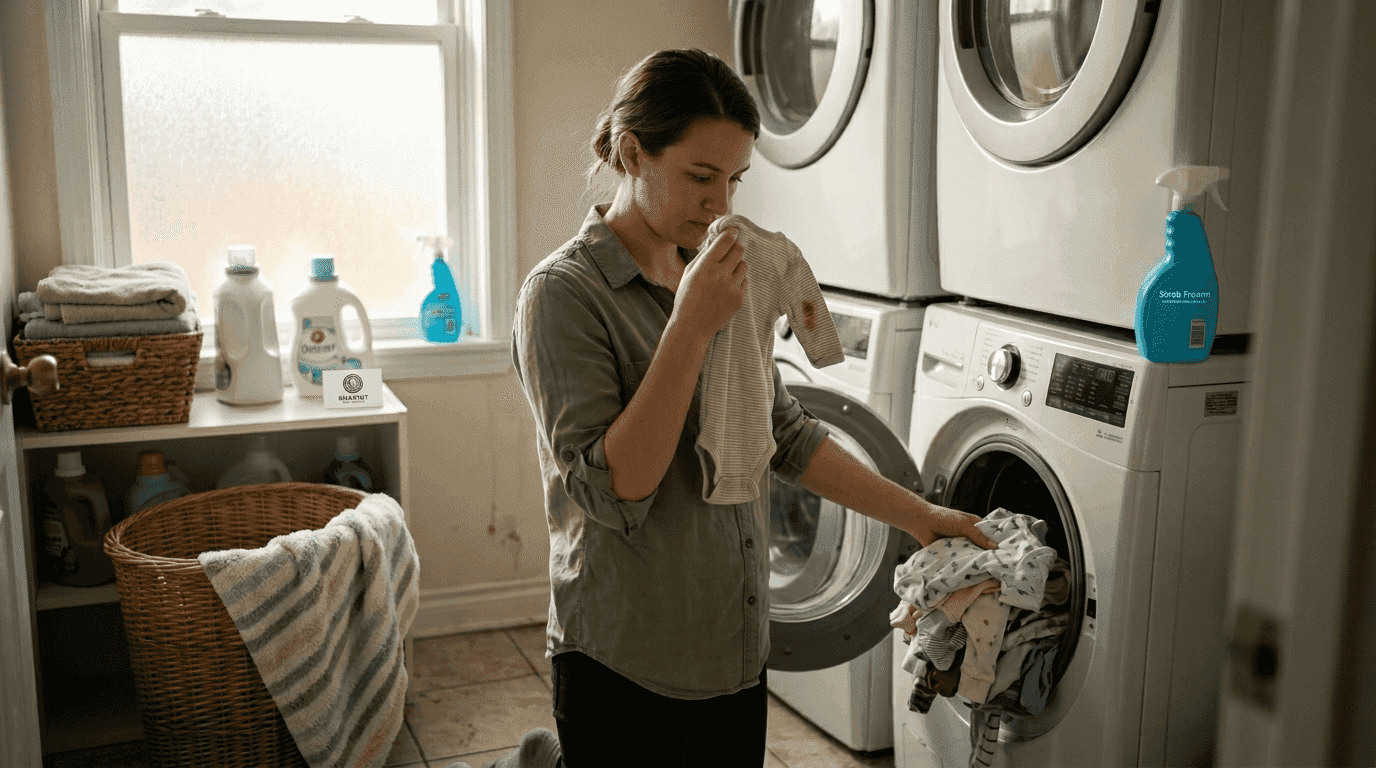
Not all baby products promote skin health or hygiene equally. Many parents remain unaware that machine washable options exist that significantly improve both convenience and safety. Unlike disposable alternatives, washable baby products can be cleaned at high temperatures that eliminate bacteria and allergens while reducing long-term costs and environmental waste. This guide explores why choosing machine washable baby products matters for your infant's health, your budget, and the planet.
Table of Contents
- Understanding hygiene benefits of machine washable baby products
- Comparing materials: organic cotton and bamboo for baby products
- Cost-effectiveness and environmental impact of machine washable baby products
- Practical tips for choosing and maintaining machine washable baby products
- Explore comfortable machine washable baby clothes at River tot
- Frequently asked questions
Key takeaways
| Point | Details |
|---|---|
| Superior hygiene | Machine washing at 60°C or higher effectively removes bacteria and allergens that disposables cannot address |
| Long-term savings | Reusable products save hundreds to thousands of dollars per child despite higher upfront costs |
| Environmental benefits | Washable items produce significantly less landfill waste than disposables, lowering overall ecological footprint |
| Skin health advantages | Natural fabrics like organic cotton and bamboo reduce chemical exposure and irritation for sensitive baby skin |
Understanding hygiene benefits of machine washable baby products
Machine washing delivers hygiene advantages that disposable products simply cannot match. Research confirms that washing at 60°C or higher kills harmful bacteria and dust mites effectively. The mechanical action inside washing machines removes contaminants far better than hand cleaning ever could.
This matters immensely for infant health. Babies have developing immune systems that make them vulnerable to pathogens lingering on products that contact their skin. Studies show machine washing eliminates a wider range of bacteria than manual methods, reducing infection risk.
Using machine washable fabrics for items like diapers, wipes, and clothing minimizes prolonged exposure to allergens and irritants. This directly lowers the risk of skin irritation and allergic reactions. Parents who choose washable options gain peace of mind knowing each wash cycle restores products to near-sterile cleanliness.
Key hygiene advantages include:
- High temperature washing eliminates 99% of dust mites and bacteria
- Repeated washing maintains fabric integrity while removing accumulated irritants
- Machine washing removes residual detergents better than hand rinsing
- Proper drying completes the sanitization process disposables never receive
Pro Tip: Combine machine washable products with breathable fabrics to maximize both hygiene and comfort for your baby.
"Regular machine washing at appropriate temperatures provides the most reliable method for maintaining baby product hygiene and protecting infant health from preventable irritants."
This hygiene advantage becomes especially important for babies with sensitive skin or existing conditions like eczema. Clean, properly washed fabrics support skin barrier function instead of compromising it with chemical residues or bacterial buildup.
Comparing materials: organic cotton and bamboo for baby products
Fabric choice dramatically impacts your baby's comfort and skin health. Natural fibers offer distinct advantages over synthetic materials, especially when combined with machine washability.
Organic cotton stands out as a premier choice for sensitive infant skin. Grown without harmful pesticides or chemicals, organic cotton minimizes the risk of skin irritation and allergic reactions. Parents can wash these products repeatedly without worrying about chemical residues leaching onto their baby's skin.

Bamboo fabric brings different strengths to baby products. Its superior moisture-wicking properties keep babies dry and comfortable throughout the day and night. Unlike regular cotton that absorbs and holds moisture, bamboo actively pulls wetness away from skin, reducing the risk of diaper rash and heat discomfort.
| Feature | Organic Cotton | Bamboo Fabric |
|---|---|---|
| Breathability | Excellent, allows air circulation | Outstanding, highly breathable structure |
| Moisture control | Absorbs moisture well | Wicks moisture away from skin |
| Chemical safety | Pesticide-free, hypoallergenic | Naturally antimicrobial, chemical-free processing |
| Environmental impact | Lower water use than conventional cotton | Fast-growing, renewable resource |
| Durability | Very durable, softens with washing | Durable but requires gentler care |
Benefits of natural fiber machine washable products:
- Temperature regulation keeps babies comfortable in varying conditions
- Reduced risk of allergic reactions compared to synthetic materials
- Softer texture that improves with each wash cycle
- Better air circulation prevents overheating during sleep
Pro Tip: Consider an organic cotton baby bodysuit as your foundation garment, combining the benefits of natural fabric with easy machine care.
Parents should evaluate both fabric properties and care requirements. While bamboo excels at moisture management, organic cotton offers unmatched durability and softness over hundreds of wash cycles. Many families find success mixing both materials throughout their baby's wardrobe.
The choice between these natural fibers often depends on your baby's specific needs. Babies who sweat heavily benefit from bamboo's moisture-wicking properties. Those with severe skin sensitivity thrive with organic cotton's gentle, chemical-free composition. Learn more about organic cotton clothing benefits to make informed decisions.
Cost-effectiveness and environmental impact of machine washable baby products
Upfront costs can make reusable products seem expensive, but long-term calculations tell a different story. Disposable diapers and wipes create recurring expenses that accumulate rapidly over your child's infant years.
Research comparing costs shows parents can save between $800 and $2,000 per child by choosing machine washable cloth diapers over disposables. This accounts for purchase prices, washing costs including water and electricity, and the typical 2.5 years most children wear diapers.
The environmental advantages prove equally compelling. EPA data reveals that disposable diapers contribute over 4 million tons of waste to landfills annually. These products take hundreds of years to decompose, releasing methane and other greenhouse gases throughout that process.
Machine washable products avoid this waste entirely. Though washing consumes water and energy, the total environmental footprint remains significantly lower than manufacturing and disposing of single-use alternatives.

| Product Type | Average Annual Cost | Environmental Impact (per year) |
|---|---|---|
| Disposable diapers | $800-$900 | 300-400 pounds landfill waste |
| Machine washable cloth diapers | $200-$300 (includes washing) | Minimal waste, reusable 2-3 years |
| Disposable wipes | $150-$200 | 50-75 pounds landfill waste |
| Machine washable cloth wipes | $30-$50 (includes washing) | Zero waste, reusable indefinitely |
Steps to evaluate cost-effectiveness:
- Calculate your expected diaper and wipe usage over 2.5 years
- Compare total disposable costs against reusable product purchase prices
- Add estimated washing expenses (typically $0.25-$0.50 per load)
- Factor in potential resale value of quality reusable products
- Consider environmental values and their long-term importance to your family
The math becomes even more favorable for families planning multiple children. A single set of quality cloth diapers can serve two or three babies, spreading the initial investment across several years of use.
Some parents worry about the time commitment of washing. Modern washing machines make this concern largely obsolete. Adding a load of baby items takes minimal effort, especially when compared to frequent store trips for disposable supplies. Many families establish simple routines that make washing as automatic as any other household task.
Understanding these financial and environmental factors helps parents make informed choices that align with their values and budget. The combination of long-term savings and reduced ecological impact makes machine washable products an increasingly popular choice among environmentally conscious families. Learn more about choosing baby clothing for comfort while considering these practical factors.
Practical tips for choosing and maintaining machine washable baby products
Selecting the right products and caring for them properly maximizes both hygiene and longevity. Smart choices at purchase time save frustration and money later.
Wash baby products at 60°C or higher whenever possible. Studies confirm this temperature removes 99% of dust mites and bacteria, providing the thorough sanitization infants need. Check care labels to ensure fabrics can withstand these temperatures without damage.
Use gentle, baby-safe detergents specifically formulated for sensitive skin. These products clean effectively without harsh chemicals or strong fragrances that might irritate delicate skin. Avoid fabric softeners, which can reduce absorbency in items like cloth diapers and create residue buildup.
Essential maintenance practices:
- Wash soiled items separately from regular baby laundry for better hygiene
- Pre-rinse heavily soiled diapers before machine washing to prevent staining
- Air dry in sunlight when possible, as UV rays provide natural disinfection
- Inspect products regularly for wear, replacing items showing damage
- Store clean items in breathable containers to prevent mustiness
Pro Tip: Reuse waterproof diaper covers multiple times before washing if they remain clean, reducing laundry volume, but wash immediately after any contamination.
When shopping for new products, prioritize features that enhance convenience. Look for adjustable sizing that grows with your baby, extending product lifespan. Choose items with simple closures like snaps or velcro that make diaper changes faster and easier.
Consider versatility in your purchases. Products serving multiple purposes deliver better value than single-use items. Silicone bibs that catch food spills and wipe clean eliminate the need for disposable alternatives while protecting clothes during meals.
Establish a washing routine that fits your family's schedule. Some parents prefer washing every other day to prevent buildup, while others manage well with twice-weekly loads. Find the rhythm that keeps you supplied with clean items without creating laundry stress.
Remember that quality matters more than quantity. Investing in well-made products that withstand hundreds of wash cycles proves more economical than repeatedly replacing cheaper alternatives that deteriorate quickly.
Explore comfortable machine washable baby clothes at River tot
Now that you understand the benefits of machine washable baby products, finding quality options becomes your next step. River tot offers carefully curated baby clothes made from natural, comfortable fabrics like organic cotton that align perfectly with the hygiene and comfort principles discussed throughout this guide.

Our product selection prioritizes safety, easy care, and style designed for busy parents who refuse to compromise on quality. Each item can be conveniently washed at home, maintaining softness and hygiene through countless wear and wash cycles. Browse comfortable baby clothes that combine practical features with gentle fabrics your baby will love.
Pro Tip: Look for adjustable fits and breathable fabrics in our collection, features that optimize infant comfort while simplifying your daily routines.
Explore options like our organic cotton baby bodysuit that serves as a versatile foundation piece for any outfit. Visit the River tot homepage to discover our full range of machine washable essentials designed specifically for infant health and parent convenience.
Frequently asked questions
Are machine washable baby products better for sensitive skin?
Yes, machine washable products made from organic cotton or bamboo significantly reduce exposure to chemicals and irritants found in disposable alternatives. They maintain superior hygiene by effectively removing allergens and bacteria through regular high-temperature washing. Babies with eczema or other skin sensitivities often show marked improvement when parents switch to properly washed natural fiber products.
How often should I wash machine washable baby products?
Wash soiled items immediately to prevent bacterial growth and staining. General washing every two to three days works well for items that remain clean between uses, like outer clothing or backup diapers. Establish a routine that keeps you supplied with clean products without creating laundry overwhelm.
Are machine washable baby products environmentally friendly?
Yes, reusable products reduce landfill waste significantly compared to disposables that take centuries to decompose. Though washing uses water and energy, the overall environmental footprint remains substantially lower than manufacturing and disposing of single-use alternatives. Choosing machine washable options represents a meaningful step toward more sustainable parenting.
Can machine washable diapers save money compared to disposables?
Though upfront costs run higher, long-term savings prove substantial with machine washable diapers. Parents typically save $800 to $2,000 per child over the diapering years, even accounting for washing expenses. Savings multiply for families with multiple children who reuse the same quality cloth diapers across several years.
Recommended
- Baby clothing checklist 2026: essentials for comfort – River tot
- How to choose baby clothing for comfort and safety – River tot
- Baby Cloth Diapers Soft And Comfortable Baby Diapers - River tot - 0 - SPOD - CYOkeywords
- Comfortable Baby One-Pieces: Tips for Choosing Stylish Outfits – River tot
- Choosing wet mats for safety and comfort in 2026 – Mats4U USA
- Types of Washing Machine Cycles – Smarter Laundry Decisions - Expert Appliance