
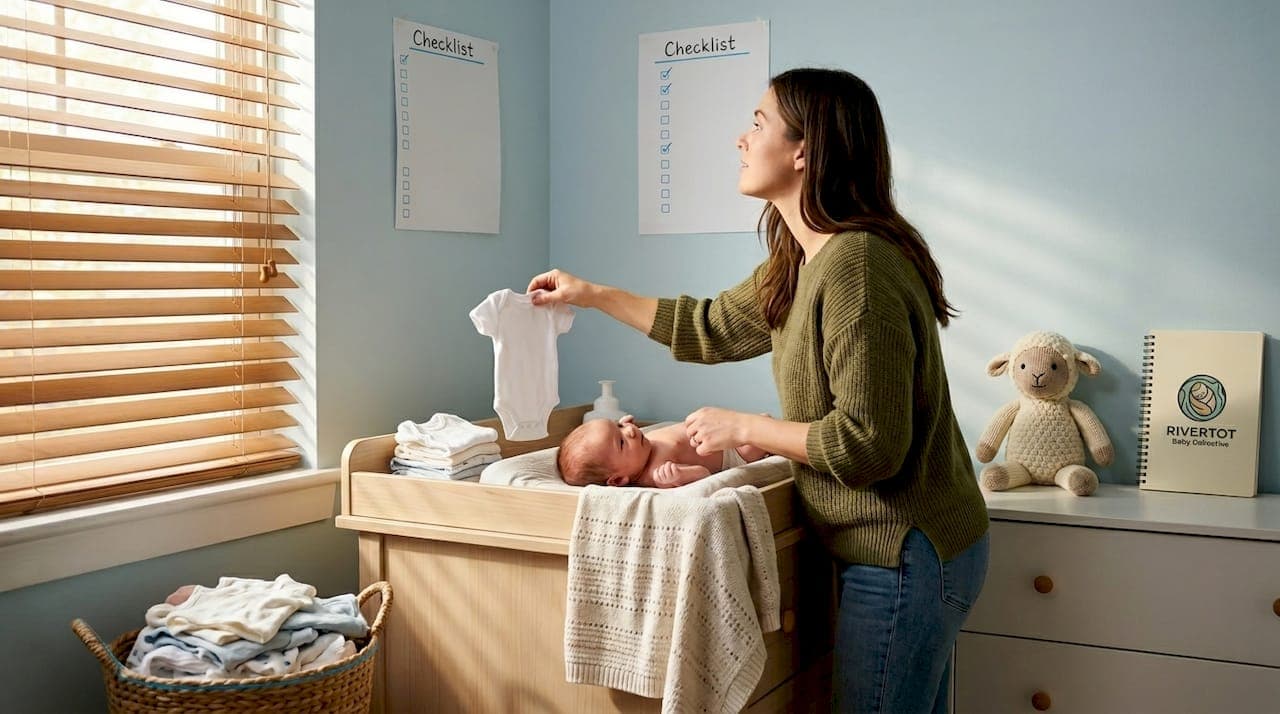
Dressing your newborn for the first time can feel overwhelming. You want your baby to be comfortable, safe, and protected, but figuring out the right clothing, layers, and accessories isn't always straightforward. Many new parents worry about choosing fabrics that won't irritate delicate skin, avoiding overheating, and ensuring nothing poses a safety risk. This guide walks you through everything you need to know, from selecting essential items to step-by-step dressing techniques and checking for comfort after your baby is dressed. You'll gain confidence in making safe, practical choices that keep your newborn cozy and secure.
Table of Contents
- Key Takeaways
- What you need: essential newborn clothing and accessories
- How to dress your newborn step-by-step for comfort and safety
- Common challenges and how to avoid dressing mistakes
- Checking for comfort and safety after dressing your newborn
- Explore comfortable and safe baby clothing at River TOT
- How to dress newborn frequently asked questions
Key Takeaways
| Point | Details |
|---|---|
| Soft breathable fabrics | Choose soft breathable fabrics like cotton to protect newborn skin. |
| Foundational outfits | Bodysuits form the foundation and help keep diapers secure, with options for short or long sleeves. |
| Safety first | Dress on a safe warm surface, never leave your baby unattended, and avoid loose blankets that pose suffocation risks. |
| Step by step dressing | Follow a sequence starting with a clean diaper, then bodysuit, then sleeper or pants, using gentle handling and snaps or zippers for quick changes. |
What you need: essential newborn clothing and accessories
Before you start dressing your newborn, you need the right items on hand. Preparing a checklist of essential newborn clothing ensures you have everything ready for comfort and safety. Soft, breathable fabrics like cotton are ideal because newborn skin is incredibly sensitive and prone to irritation. Bodysuits, also called onesies, form the foundation of most newborn outfits. They're easy to put on, keep the diaper secure, and come in short-sleeve and long-sleeve options for different temperatures. Sleepers or footed pajamas are perfect for nighttime because they keep your baby warm without the need for loose blankets, which can pose suffocation risks.
Hats are essential for newborns because babies lose a significant amount of body heat through their heads. A soft cotton hat helps regulate temperature, especially in the first few weeks. Mittens prevent newborns from scratching their delicate faces with tiny, sharp nails. Socks or booties keep little feet warm, since newborns can't regulate their body temperature as efficiently as older babies. Swaddle blankets or sleep sacks provide safe warmth during sleep without the hazards of loose bedding.
Accessories like burp cloths, bibs, and extra layers make daily care more convenient. When you're choosing baby clothing for comfort and safety, prioritize items that are easy to wash, have no small buttons or embellishments that could come loose, and feature snaps or zippers for quick diaper changes. Versatile pieces that work in various temperatures save money and reduce clutter.

Pro Tip: Buy clothing in multiple sizes. Newborns grow incredibly fast, and having a few 0-3 month items ready prevents last-minute shopping trips.
Here's a quick reference table for essential newborn clothing:
| Item | Quantity | Purpose |
|---|---|---|
| Bodysuits/Onesies | 6-8 | Base layer for daily wear, easy diaper access |
| Sleepers/Footed Pajamas | 4-6 | Nighttime warmth and safety without loose blankets |
| Hats | 2-3 | Regulate body temperature, prevent heat loss |
| Mittens | 2-3 pairs | Prevent face scratching |
| Socks/Booties | 4-6 pairs | Keep feet warm |
| Swaddle Blankets/Sleep Sacks | 3-4 | Safe sleep warmth |
| Burp Cloths | 6-8 | Protect clothing during feeding |
Investing in quality basics like newborn baby onesies and quilted rompers gives you a solid foundation for dressing your baby comfortably every day.

How to dress your newborn step-by-step for comfort and safety
Once you have your essentials ready, it's time to learn the practical steps for dressing your newborn. Proper dressing techniques maintain body temperature and prevent hazards like overheating or loose clothing risks. Newborns can't tell you if they're uncomfortable, so following a careful process ensures their safety and well-being.
-
Choose a safe, warm surface. Lay your baby on a changing table, bed, or clean floor with a soft blanket underneath. Never leave your baby unattended on an elevated surface.
-
Start with the diaper. Make sure the diaper is clean and properly fastened before adding clothing. A fresh diaper prevents leaks and keeps your baby comfortable.
-
Put on the bodysuit first. Gather the fabric of the bodysuit and gently stretch the neck opening. Slip it over your baby's head quickly but carefully, supporting the head and neck. Guide each arm through the sleeves one at a time, never pulling or forcing the limbs. Snap or button the bodysuit at the bottom to keep the diaper in place.
-
Add a sleeper or pants. If using a sleeper, lay it flat and place your baby on top. Guide the legs into the sleeper's leg openings, then the arms into the sleeves. Zip or snap the sleeper from the bottom up for easier diaper changes later. If using pants, gently pull them over the legs and up to the waist.
-
Layer for temperature control. In cooler environments, add a light cardigan or another layer. In warmer settings, a single bodysuit may be enough. The general rule is to dress your baby in one more layer than you're wearing.
-
Add accessories as needed. Put on a hat if the room is cool or if you're going outside. Slip on mittens if your baby tends to scratch. Add socks or booties to keep feet warm.
-
Check for safety hazards. Run your fingers along all seams and edges to ensure there are no loose threads, tags, or tight elastic bands. Remove any strings or ribbons that could pose a strangulation risk.
Pro Tip: Dress your baby when they're calm, such as after a feeding or diaper change. A fussy baby makes the process harder for both of you.
Always avoid overdressing your newborn. Overheating is a serious safety concern and has been linked to increased risk of sudden infant death syndrome. If your baby feels hot to the touch, remove a layer immediately.
For special occasions like photoshoots, you might want to explore newborn photoshoot outfits that balance style with comfort. When you're on the go, versatile baby accessories can make dressing and undressing easier in different environments.
Common challenges and how to avoid dressing mistakes
Even with the best intentions, new parents often make mistakes when dressing their newborns. Common parental errors include overdressing, improper sizing, and unsafe accessories. Recognizing these pitfalls helps you avoid them and keep your baby safe and comfortable.
-
Overdressing or using too many layers. Many parents worry their baby will get cold and pile on extra clothing or blankets. This can cause overheating, which makes babies uncomfortable and increases health risks. Babies regulate temperature differently than adults, and too much insulation traps heat. Check your baby's chest or back to gauge temperature, not their hands or feet, which are often cooler.
-
Choosing rough or synthetic fabrics. Newborn skin is thin and sensitive. Rough textures, synthetic materials, or fabrics with chemical treatments can cause rashes, irritation, or allergic reactions. Stick to soft, natural fibers like cotton or bamboo that allow skin to breathe.
-
Using clothing that's too tight or too loose. Tight clothing restricts movement and circulation, causing discomfort and potential harm. Loose clothing, especially around the neck or with long strings, poses strangulation or suffocation risks. Always choose clothing that fits snugly but comfortably, with no excess fabric bunching around the face or neck.
-
Ignoring proper sizing. Newborns grow rapidly, and clothing that fit last week may be too small today. Tight clothing can irritate skin and restrict breathing. Check sizing regularly and don't hesitate to move up a size if clothing feels snug.
-
Overlooking loose threads or small embellishments. Decorative buttons, bows, or appliques can come loose and become choking hazards. Loose threads can wrap around tiny fingers or toes, cutting off circulation. Always inspect clothing before dressing your baby and remove any potential hazards.
-
Using hats or mittens unnecessarily indoors. While hats are important for regulating temperature in newborns, keeping a hat on indoors when the room is warm can cause overheating. Similarly, mittens are helpful for preventing scratches but shouldn't be used constantly, as babies need to explore with their hands.
To avoid these mistakes, regularly assess your baby's comfort and clothing condition. Feel their chest or back to check temperature. Look for signs of irritation like redness or fussiness. Choose clothing from trusted sources that prioritize safety and comfort, such as baby clothing designed for comfort and safety. When in doubt, less is often more. A simple, well-fitted bodysuit in a comfortable fabric is better than multiple layers of questionable quality.
Checking for comfort and safety after dressing your newborn
After you've dressed your baby, your job isn't done. Regularly checking comfort and safety prevents issues like overheating and skin irritation. Newborns can't communicate discomfort verbally, so you need to watch for physical cues and perform simple checks.
-
Feel your baby's chest or back. This is the most accurate way to gauge if your baby is too hot or too cold. The chest or back should feel warm but not sweaty or clammy. If your baby feels hot and sweaty, remove a layer. If they feel cool, add a light blanket or extra clothing.
-
Check hands and feet. While it's normal for a newborn's hands and feet to feel cooler than the rest of their body, they shouldn't feel icy. If extremities are very cold, your baby may need an extra layer or warmer socks.
-
Look for signs of overheating. Flushed cheeks, rapid breathing, sweating, or a heat rash are signs your baby is too warm. Remove layers immediately and move to a cooler environment if needed.
-
Watch for signs of discomfort. Excessive crying, fussiness, or squirming can indicate that clothing is too tight, itchy, or uncomfortable. Check for tight elastic bands around the legs, waist, or arms. Look for rough seams or tags rubbing against skin.
-
Inspect clothing fit throughout the day. Babies move and wiggle, and clothing can shift. Make sure nothing has bunched up around the face or neck. Ensure that sleeves and pant legs haven't ridden up, leaving skin exposed to cold.
-
Monitor mood and behavior. A comfortable baby is generally calm and content. If your baby seems unusually fussy after being dressed, reassess their clothing and environment.
Here's a comparison of common sleepwear and blanket options:
| Type | Safety Level | Warmth Level | Best For |
|---|---|---|---|
| Footed Sleeper | High | Medium to High | Cool to moderate rooms, nighttime sleep |
| Sleep Sack | High | Medium | Safe alternative to loose blankets, all seasons |
| Swaddle Blanket | Medium (if used correctly) | Medium | Newborns who need calming, supervised sleep |
| Loose Blanket | Low | Variable | Not recommended for unsupervised sleep under 12 months |
| Bodysuit Only | High | Low | Warm rooms, daytime naps |
Adjust layers based on your baby's environment and mood. If you're transitioning from indoors to outdoors, add or remove clothing accordingly. During sleep, consider safe options like a cotton baby sleeping bag that provides warmth without the risks of loose blankets. For added safety during awake time, a baby protective pillow can support your baby's head and neck comfortably.
Checking your baby regularly becomes second nature with practice. Trust your instincts, and don't hesitate to make adjustments whenever something doesn't feel right.
Explore comfortable and safe baby clothing at River TOT
Now that you understand how to dress your newborn for comfort and safety, finding the right clothing and gear is the next step. River TOT offers a carefully curated selection of newborn apparel designed with your baby's well-being in mind. From ultra-soft bodysuits to cozy sleepers, every item prioritizes gentle fabrics, safe construction, and practical features that make dressing easier.

Explore baby bright comfortable baby clothes that combine style with safety, or check out newborn baby onesies and quilted rompers perfect for everyday wear. For moments when you need to soothe and entertain your little one, the baby bouncer folding seat provides a safe, comfortable spot for babies from 0 to 9 months. River TOT makes it simple to find everything you need in one trusted place, so you can focus on what matters most: caring for your newborn with confidence.
How to dress newborn frequently asked questions
What fabrics are best for newborn clothing?
Soft, natural fabrics like cotton, bamboo, and organic blends are ideal for newborn clothing. These materials are gentle on sensitive skin, breathable, and less likely to cause irritation or allergic reactions compared to synthetic fabrics.
How many layers should I dress my newborn in?
A good rule of thumb is to dress your newborn in one more layer than you're wearing. For example, if you're comfortable in a t-shirt, your baby should wear a bodysuit plus a light sleeper or blanket. Always check your baby's chest or back to ensure they're not too hot or cold.
Can I use hats and mittens indoors?
Hats are important for newborns in the first few days to help regulate body temperature, but they're generally not needed indoors if the room is warm. Mittens can prevent scratching but shouldn't be used constantly, as babies need to explore with their hands. Use them as needed, not as a default.
How do I know if my baby is too hot or cold?
Feel your baby's chest or back, not their hands or feet. If the chest feels warm and dry, your baby is comfortable. If it feels hot and sweaty, remove a layer. If it feels cool, add a light blanket or extra clothing. Watch for signs like flushed cheeks or rapid breathing, which indicate overheating.
Is it safe to use sleep sacks instead of blankets?
Yes, sleep sacks are a safe alternative to loose blankets for newborns. They provide warmth without covering the baby's face or posing a suffocation risk. Choose a sleep sack that fits properly and is appropriate for the room temperature.