

Many parents assume baby clothes must be pink for girls or blue for boys, but this outdated approach limits comfort and self-expression. Gender-neutral baby clothing offers a refreshing alternative, using soft, safe materials and inclusive designs that prioritize your child's comfort over stereotypes. This guide explores what gender-neutral baby clothing means, why parents are choosing it, which colors and styles work best, and how to select pieces that combine safety, style, and practicality for your little one.
Table of Contents
- Understanding gender-neutral baby clothing: definition and benefits
- Beyond pink and blue: colors and styles in gender-neutral baby fashion
- Brands and materials shaping gender-neutral baby clothing today
- Choosing and caring for gender-neutral baby clothes: practical tips
- Explore stylish and comfortable gender-neutral baby clothes at River tot
- Frequently asked questions
Key takeaways
| Point | Details |
|---|---|
| Gender-neutral clothing avoids stereotypes | These pieces skip traditional pink and blue, using colors and designs that support identity exploration without early gender labeling. |
| Safe, comfortable materials matter most | Organic cotton and bamboo fabrics provide breathability and softness while being hypoallergenic for sensitive infant skin. |
| Practical for growing families | Neutral colors extend usability across siblings and make hand-me-downs simple regardless of gender. |
| Promotes inclusivity from birth | Choosing gender-neutral options helps create an environment where children can explore their identity freely. |
Understanding gender-neutral baby clothing: definition and benefits
Gender-neutral baby clothing refers to garments designed without traditional gender colors, patterns, or stereotypes. Instead of dressing infants in pink ruffles or blue trucks, these pieces use inclusive designs that prioritize comfort and safety over societal expectations. Common materials include bamboo and organic cotton, chosen for their softness, breathability, and hypoallergenic properties that protect delicate infant skin.
The benefits extend beyond aesthetics. Avoiding early gender labeling may support healthy child development by allowing identity exploration without imposed stereotypes. When you dress your baby in neutral clothing, you create space for them to develop preferences naturally rather than conforming to predetermined roles. This approach aligns with modern parenting values that emphasize individuality and self-discovery.
Environmental advantages also matter. Organic fabrics reduce exposure to pesticides and harsh chemicals, protecting both your baby and the planet. Breathable materials like bamboo regulate temperature naturally, preventing overheating and keeping your little one comfortable throughout the day. These fabrics also tend to be more durable, maintaining their softness through multiple washes and wear cycles.
Pro Tip: When choosing baby clothing for comfort and safety, check seams and tags for potential irritation points before purchasing.
Gender-neutral clothing promotes inclusivity from the earliest days. By selecting pieces that don't impose gender expectations, you signal to your child and community that all expressions are valid. This seemingly small choice contributes to a broader cultural shift toward acceptance and flexibility in how we understand gender and identity.
Key benefits of gender-neutral baby clothing:
- Supports natural identity development without imposed stereotypes
- Uses safe, breathable fabrics like organic cotton and bamboo
- Reduces environmental impact through sustainable material choices
- Creates inclusive environments that value all expressions equally
- Offers practical longevity for hand-me-downs across siblings
"Clothing choices in infancy set the stage for how children experience gender expectations. Neutral options provide freedom to explore identity without early constraints."
Beyond pink and blue: colors and styles in gender-neutral baby fashion
Gender-neutral baby clothing embraces a diverse color palette that extends well beyond the typical grey and cream options many retailers offer. While these neutral tones remain popular, parents increasingly seek yellow, soft green, coral, mint, and even muted purples that provide visual interest without reinforcing gender stereotypes. Some consumers express frustration when gender-neutral options feel limited to drab colors, highlighting the demand for vibrant yet inclusive choices.
Traditional gender-specific clothing relies heavily on pink for girls and blue for boys, often accompanied by gender-typed patterns like flowers or sports equipment. Gender-neutral alternatives use geometric patterns, animal prints, nature themes, and abstract designs that appeal universally. These patterns maintain visual appeal while avoiding the limitations of stereotyped imagery.
| Color Category | Traditional Boys | Traditional Girls | Gender-Neutral Options | | --- | --- | --- | | Primary Colors | Blue, navy, red | Pink, purple, lavender | Yellow, green, coral, mint | | Neutrals | Brown, grey, black | White, cream, beige | All neutrals plus earth tones | | Patterns | Sports, trucks, dinosaurs | Flowers, hearts, butterflies | Geometric, animals, nature, abstract |
Style choices in gender-neutral fashion prioritize practicality and comfort. Rompers and jumpsuits dominate because they allow easy diaper changes while keeping babies comfortable during tummy time and play. Simple patterns and solid colors make mixing and matching effortless, reducing the mental load of outfit planning while ensuring every piece coordinates.
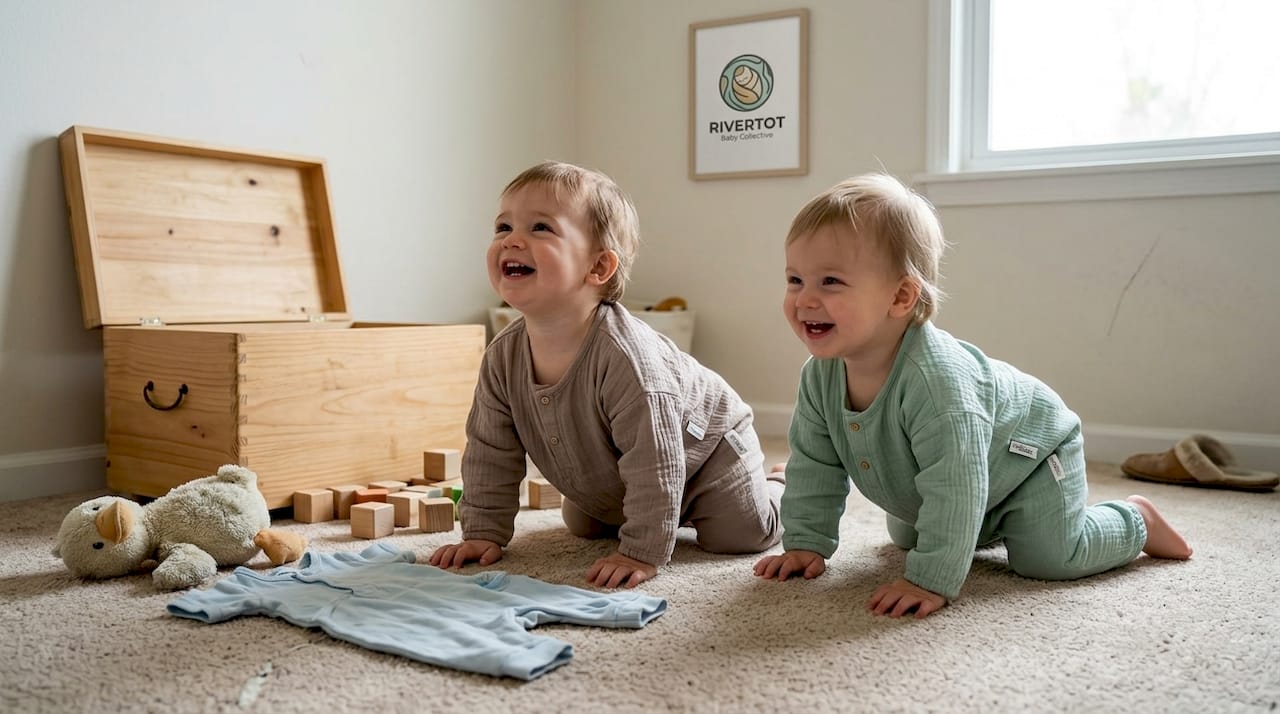
Pro Tip: Choosing a variety of neutral colors rather than sticking only to greys makes hand-me-downs more versatile, allowing you to pass clothes between siblings regardless of gender while maintaining visual variety.
When selecting baby clothing color palettes and essentials, consider your family's aesthetic preferences alongside practical needs. Some parents prefer minimalist earth tones, while others embrace brighter neutrals that photograph beautifully. Both approaches work equally well for creating an inclusive wardrobe.
Popular gender-neutral style elements:
- Rompers and jumpsuits for easy movement and diaper changes
- Simple, timeless patterns that avoid gender stereotypes
- Adjustable features like fold-over mittens and expandable waistbands
- Soft, stretchy fabrics that accommodate rapid infant growth
- Coordinating sets that simplify outfit selection
The key to successful gender-neutral fashion lies in balancing aesthetics with function. Your baby needs clothes that support their development, protect their skin, and make caregiving easier. Color and style choices should enhance rather than compromise these fundamental requirements.
Brands and materials shaping gender-neutral baby clothing today
Several eco-conscious brands lead the gender-neutral baby clothing movement, prioritizing sustainable materials and inclusive designs. Companies like PatPat, Treehouse, Kolorful, and Wyld Bub create bamboo and organic cotton rompers that combine environmental responsibility with style. These brands recognize that modern parents want clothing that aligns with their values while meeting practical needs.
Bamboo fabric offers exceptional benefits for baby clothing. This material grows rapidly without pesticides, making it environmentally sustainable. The resulting fabric feels incredibly soft against sensitive skin, wicks moisture naturally, and provides temperature regulation that keeps babies comfortable in various conditions. Bamboo's natural antibacterial properties also help reduce odor, extending time between washes.
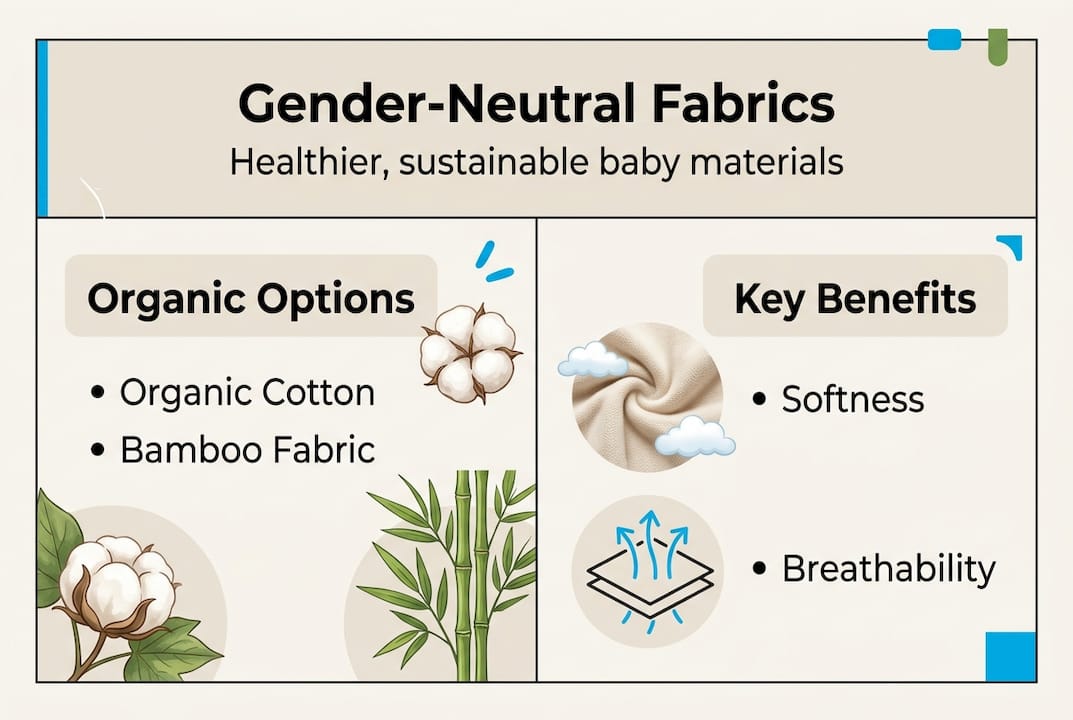
Organic cotton remains a staple in gender-neutral baby wardrobes. Grown without synthetic pesticides or fertilizers, organic cotton protects both farm workers and the environment while producing a breathable, durable fabric. The absence of chemical residues makes organic cotton ideal for babies with sensitive skin or eczema. Its familiarity and proven performance give parents confidence in their clothing choices.
For crafty parents, customizable sewing patterns enable unique inclusive designs tailored to your preferences. Independent pattern designers offer gender-neutral options that you can make in any color or fabric combination, creating truly personalized pieces. This approach also allows you to control fabric quality and construction methods, ensuring every garment meets your standards.
Pro Tip: Choosing sustainably made baby clothes supports both your child's health and environmental protection, creating a better world for their future.
When evaluating brands and materials, prioritize softness and breathability above all else. Babies spend most of their time sleeping, eating, and growing, so their clothes must facilitate rather than hinder these activities. Stiff fabrics or rough textures can irritate skin and cause discomfort that disrupts sleep and feeding routines.
Top materials for gender-neutral baby clothing:
- Bamboo for exceptional softness and moisture-wicking properties
- Organic cotton for breathability and proven safety
- Cotton-bamboo blends combining durability with comfort
- GOTS-certified fabrics ensuring organic and ethical production
- Stretchy jersey knits accommodating rapid infant growth
Look for baby jumpers and rompers made from these materials when building your gender-neutral wardrobe. Quality construction and thoughtful design make daily dressing easier while supporting your child's comfort throughout their active days.
Choosing and caring for gender-neutral baby clothes: practical tips
Selecting the right gender-neutral baby clothes requires attention to fabric characteristics, construction quality, and practical features that make caregiving easier. Follow this step-by-step approach to build a functional, comfortable wardrobe:
- Check fabric composition for organic cotton or bamboo content
- Feel the material for softness and stretch without excessive stiffness
- Inspect seams for flatness and smooth finishing without rough edges
- Verify closures are easy to operate during diaper changes
- Confirm sizing allows room for growth without excessive bagginess
- Review care instructions to ensure washing requirements fit your routine
Key fabric characteristics determine comfort and safety. Softness prevents skin irritation during the constant movement babies make while learning to roll, crawl, and eventually walk. Breathability allows air circulation that regulates temperature and prevents overheating, especially important during sleep. Hypoallergenic properties reduce the risk of allergic reactions in babies with sensitive skin or existing conditions like eczema.
Avoid tight elastic bands around wrists, ankles, or waists that can restrict circulation or leave marks on delicate skin. Similarly, rough seams or exposed stitching can rub against skin and cause irritation. Quality gender-neutral clothing uses flat seams and soft elastic that provides gentle security without compression. When reviewing baby clothing comfort and safety tips, these construction details make significant differences in daily wear.
Maintaining fabric longevity requires proper washing techniques. Use gentle, fragrance-free detergents formulated for baby clothes to avoid chemical residues that can irritate skin. Wash new clothes before first wear to remove any manufacturing residues. Cold water washing preserves fabric integrity and prevents shrinkage, while air drying extends the life of elastic and maintains softness.
Pro Tip: Understanding why breathability in baby clothes matters helps you prioritize this feature when comparing options.
Expandable or adjustable sizing features maximize the usability of each garment. Fold-over mittens protect newborns from scratching while converting to regular sleeves as they grow. Adjustable waistbands and shoulder snaps accommodate growth spurts without requiring immediate replacement. These thoughtful design elements reduce clothing costs while ensuring proper fit throughout various developmental stages.
Essential care and selection tips:
- Wash before first wear to remove manufacturing residues
- Use fragrance-free, baby-safe detergents
- Choose cold water washing to preserve fabric quality
- Air dry when possible to maintain elasticity
- Store in a cool, dry place to prevent mildew
- Rotate clothing regularly to distribute wear evenly
Explore stylish and comfortable gender-neutral baby clothes at River tot
Now that you understand the benefits and considerations of gender-neutral baby clothing, finding quality options becomes your next step. River tot offers a thoughtfully curated collection of soft, safe, and stylish baby clothes that embody the inclusive values discussed throughout this guide. Our gender-neutral options include rompers, onesies, and basics made from breathable, hypoallergenic materials that prioritize your baby's comfort.
Each piece in our comfortable baby clothes collection features the flat seams, gentle elastic, and quality construction that support healthy development. Whether you prefer minimalist earth tones or vibrant neutral colors, you'll find options that match your aesthetic while meeting practical needs. Our stylish newborn baby onesies combine the softness of organic materials with designs that make diaper changes effortless.
Explore the full collection at River tot to discover versatile infant wear that grows with your child while supporting the inclusive approach to baby fashion you've learned about here.
Frequently asked questions
What is gender-neutral baby clothing?
Gender-neutral baby clothing consists of garments designed without traditional gender colors, patterns, or stereotypes. These pieces use inclusive designs and diverse color palettes like yellow, green, grey, and coral that work for any baby regardless of gender. The focus remains on comfort, safety, and quality materials rather than conforming to pink-for-girls or blue-for-boys conventions.
Why do parents choose gender-neutral baby clothes?
Parents select gender-neutral options to avoid imposing early gender expectations on their children, allowing natural identity development. These clothes also offer practical benefits like extended usability across siblings and simplified hand-me-down logistics. Many families appreciate the modern aesthetic and the values of inclusivity that gender-neutral fashion represents.
How do I pick the right fabrics for my baby's clothing?
Look for organic cotton and bamboo fabrics that provide natural softness and breathability without chemical treatments. These materials are hypoallergenic and gentle on sensitive infant skin while regulating temperature effectively. Understanding breathability in baby clothes helps you recognize why these fabric choices matter for your baby's comfort and health.
Are gender-neutral baby clothes practical for hand-me-downs?
Yes, neutral colors and timeless designs extend usability across siblings regardless of gender, making hand-me-downs simple and economical. Some parents note that choosing varied neutral colors beyond just grey and cream provides visual interest while maintaining versatility. This approach maximizes your investment in quality baby clothing.
Can gender-neutral clothing affect a child's development?
Clothing choices influence how children experience gender expectations from infancy. Avoiding early gender labeling through neutral clothing may support healthy development by allowing identity exploration without imposed stereotypes. While clothing alone doesn't determine identity, it contributes to an environment that values flexibility and individual expression.
Where can I find quality gender-neutral baby clothes?
Many retailers now offer gender-neutral options, including eco-conscious brands specializing in organic and sustainable materials. Look for companies that prioritize safety certifications, transparent sourcing, and thoughtful design. Online marketplaces and specialty baby stores typically carry diverse selections that balance style with the practical features busy parents need.