
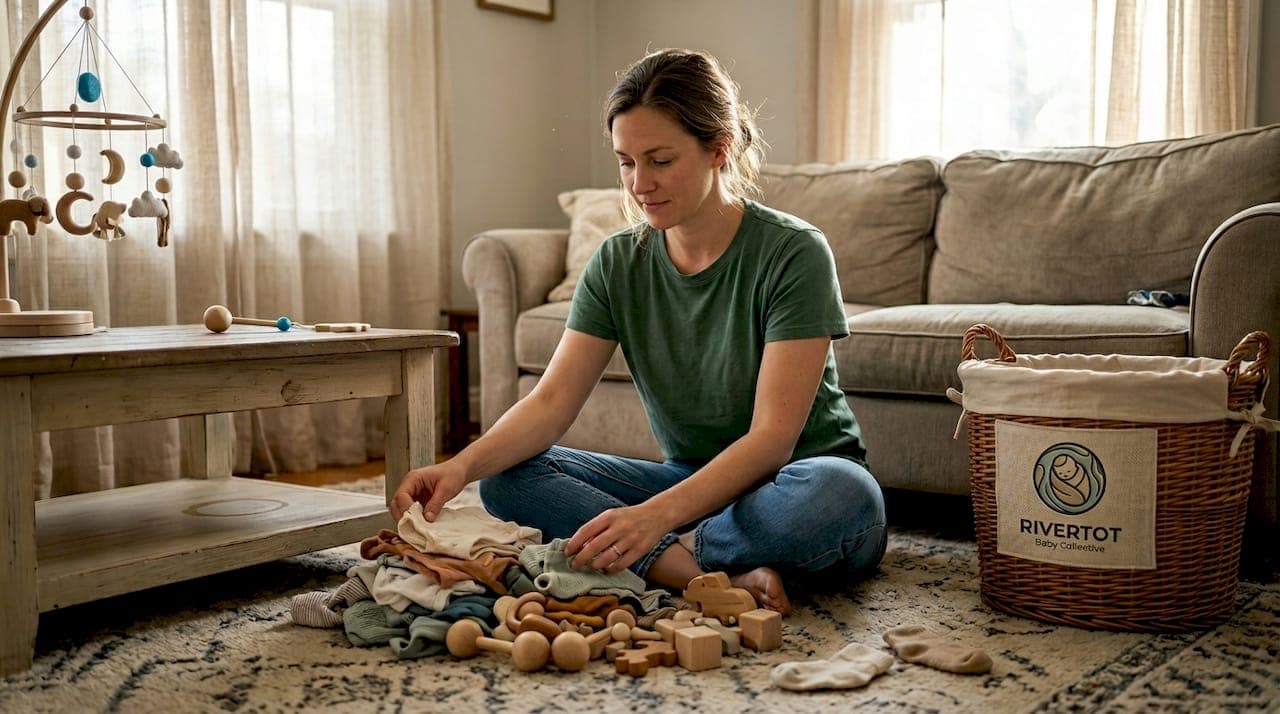
Recent studies reveal that over 60% of conventional baby products contain potentially harmful chemicals like phthalates and formaldehyde that can irritate sensitive infant skin and disrupt healthy development. As parents become more aware of these risks, the shift toward sustainable baby products has accelerated, offering safer alternatives that prioritize both child wellbeing and environmental responsibility. Sustainable options use natural, certified materials that reduce exposure to toxins while providing the comfort and safety every infant deserves. This article explains why choosing eco-friendly baby products is essential for protecting your child's health and supporting their growth during the most vulnerable early years.
Table of Contents
- Key Takeaways
- Common harmful materials in conventional baby products
- How sustainable baby products protect infants and the planet
- Comparing cost, quality, and availability of sustainable baby products
- Practical tips for adopting sustainable baby products in your daily life
- Explore sustainable baby products at River TOT
- FAQ
Key Takeaways
| Point | Details |
|---|---|
| Toxic chemical risk | Conventional baby products commonly contain phthalates BPA formaldehyde and other additives that can irritate skin and affect development. |
| Sustainable materials reduce exposure | Natural and certified materials limit toxins while maintaining safety and comfort for infants. |
| Eco friendly impact | Choosing sustainable options supports planetary health by reducing pollution and long lasting waste. |
| Informed purchases matter | Being knowledgeable helps parents pick safer smarter products for daily use. |
Common harmful materials in conventional baby products
Many parents assume that products marketed for babies automatically meet the highest safety standards, but the reality is far more concerning. Conventional baby items frequently contain chemicals that pose serious risks to infant health and environmental sustainability. Understanding these dangers helps you make informed choices that protect your child from unnecessary exposure.
Phthalates, commonly used to soften plastics in toys and teething rings, can disrupt hormone function and affect reproductive development in young children. BPA, found in some bottles and food containers, has been linked to behavioral issues and metabolic problems. Formaldehyde, used in fabric treatments for wrinkle resistance, can trigger respiratory irritation and skin allergies in sensitive infants. Flame retardants applied to mattresses and sleepwear have been associated with neurological concerns and thyroid disruption.
Many conventional baby products contain chemicals linked to allergies and developmental issues, making it crucial to understand what materials touch your baby's skin daily. Synthetic dyes and fragrances in clothing can cause rashes and respiratory problems, while polyester and nylon fabrics trap heat and moisture, creating discomfort for delicate skin. Disposable diapers often contain chlorine bleach and synthetic absorbents that can irritate and contribute to diaper rash.
The environmental impact extends beyond immediate health concerns. Synthetic materials take hundreds of years to decompose, releasing microplastics into soil and water systems. Manufacturing these products generates significant pollution and greenhouse gas emissions. Conventional cotton production uses massive amounts of pesticides that contaminate ecosystems and harm agricultural workers.
- Baby clothing treated with chemical finishes for stain resistance or flame retardancy
- Plastic toys and teethers containing phthalates or BPA
- Disposable diapers with synthetic absorbents and fragrances
- Conventional mattresses and bedding with flame retardant coatings
- Bottles and feeding accessories made from questionable plastics
"The chemicals we expose our children to in their earliest years can have lasting effects on their development and health. Choosing products free from these substances is one of the most important decisions parents can make." - Pediatric Environmental Health Specialist
Recognizing these risks empowers you to seek alternatives that prioritize safety without sacrificing quality or convenience. The good news is that sustainable options address these concerns while offering comparable or superior performance.
How sustainable baby products protect infants and the planet
Sustainable baby products offer a powerful solution to the chemical concerns plaguing conventional items, using materials that naturally resist toxins while supporting environmental health. These alternatives prioritize both immediate infant safety and long term planetary wellbeing, creating a win for families and future generations.
Organic cotton, grown without synthetic pesticides or fertilizers, provides a soft, breathable fabric that reduces skin irritation and allergic reactions. Bamboo fiber offers natural antimicrobial properties and exceptional moisture wicking, keeping babies comfortable in various temperatures. Natural rubber serves as a safe alternative to plastic for toys and teethers, biodegrading completely without releasing harmful chemicals. Plant-based dyes eliminate synthetic colorants that can trigger sensitivities, while wool provides natural flame resistance without chemical treatments.

Sustainable baby products often use organic cotton and biodegradable materials, minimizing toxins and pollution throughout the product lifecycle. These materials break down naturally at end of life, reducing landfill waste and preventing microplastic accumulation in ecosystems. Manufacturing processes for sustainable items typically consume less water and energy while generating fewer emissions than conventional production.

| Material type | Chemical presence | Biodegradability | Skin sensitivity risk |
|---|---|---|---|
| Conventional cotton | High (pesticides, dyes) | Low (treated fibers) | Moderate to high |
| Organic cotton | Minimal (certified safe) | High (natural fibers) | Very low |
| Synthetic fabrics | High (plastics, treatments) | Very low (centuries) | Moderate to high |
| Bamboo fiber | Minimal (natural processing) | High (natural material) | Very low |
The hypoallergenic nature of sustainable materials makes them ideal for infants with sensitive skin or existing conditions like eczema. Natural fibers allow better air circulation, reducing heat rash and discomfort during sleep or active play. Without chemical treatments, these products maintain their softness through multiple washes, actually improving with age rather than degrading.
Environmental benefits extend beyond material sourcing. Sustainable production often supports fair labor practices and local economies, creating positive social impact alongside ecological responsibility. Water conservation techniques and renewable energy use in manufacturing reduce the carbon footprint of each item. Packaging typically uses recycled or compostable materials, eliminating unnecessary plastic waste.
- Reduced water pollution from pesticide-free farming practices
- Lower carbon emissions from efficient, localized production
- Decreased landfill burden through biodegradable end-of-life disposal
- Protection of agricultural workers from toxic chemical exposure
- Conservation of soil health for future crop production
Pro Tip: Look for third party certifications like GOTS (Global Organic Textile Standard), OEKO-TEX, or USDA Organic when shopping for sustainable baby products. These labels verify that items meet strict safety and environmental standards, helping you avoid greenwashing and ensure genuine quality.
The cumulative effect of choosing sustainable products creates measurable positive change. Every organic onesie or natural toy represents one less source of chemical exposure for your baby and one less contribution to environmental degradation. As more parents make this shift, market demand drives broader industry transformation toward safer, more responsible practices.
Comparing cost, quality, and availability of sustainable baby products
Price concerns often stop parents from exploring sustainable options, but a closer look reveals that the investment pays dividends through durability, safety, and long term savings. Understanding the true cost comparison helps you make decisions that balance budget constraints with health priorities.
Initial purchase prices for sustainable baby products typically run 20 to 40 percent higher than conventional alternatives, reflecting the premium costs of organic farming, ethical labor, and environmentally responsible production. However, this price difference narrows significantly when you factor in longevity and performance. Although initial costs may be higher, sustainable baby products tend to be more durable and safer long term, often outlasting cheaper items by years rather than months.
Organic cotton clothing maintains its integrity through dozens of wash cycles without pilling or losing shape, while conventional items frequently show wear after just a few uses. Natural rubber toys resist cracking and degradation that plague plastic alternatives, remaining safe for teething even after extended use. Cloth diapers, though requiring upfront investment, eliminate ongoing disposable purchases and can serve multiple children, generating substantial savings over time.
| Product category | Conventional cost | Sustainable cost | Durability factor | Long term value |
|---|---|---|---|---|
| Baby clothing set | $25 | $40 | 2x lifespan | Equal or better |
| Teething toys (3 pack) | $12 | $18 | 3x lifespan | Superior |
| Diapers (monthly) | $70 | $200 (one time cloth) | Reusable 2+ years | Much better |
| Crib mattress | $120 | $180 | Similar lifespan | Better (no toxins) |
Availability has expanded dramatically as consumer demand grows. Major retailers now stock organic baby lines alongside conventional options, while specialized online stores offer extensive sustainable catalogs with detailed material information. Subscription services deliver eco-friendly diapers and wipes on regular schedules, matching the convenience of traditional shopping. Local boutiques often carry curated selections of certified sustainable products, allowing you to inspect quality before purchase.
Quality differences become apparent through daily use. Sustainable fabrics feel noticeably softer against infant skin, reducing friction and irritation during movement. Natural materials regulate temperature more effectively, preventing overheating that disturbs sleep. Items maintain their appearance and function longer, looking newer even after months of regular wear and washing.
- Research certifications to verify sustainability claims and avoid misleading marketing
- Calculate total cost of ownership including replacement frequency and health benefits
- Start with high-contact items like clothing and bedding where chemical exposure is greatest
- Compare reviews focusing on durability and comfort rather than just initial price
- Consider secondhand options for sustainable products, which often retain quality better than conventional items
The baby clothing checklist for comfort approach helps prioritize purchases based on your budget and needs. Focus spending on items your baby uses most frequently, like sleepwear and everyday outfits, where sustainable choices deliver maximum impact. Less-used specialty items can follow as budget allows, building a complete sustainable wardrobe over time rather than all at once.
Online marketplaces have made price comparison easier than ever, allowing you to find competitive deals on certified organic products. Sales and seasonal discounts frequently bring sustainable items within range of conventional pricing, especially during major shopping events. Bundle purchases often reduce per-item costs while ensuring you have complete sets that work together.
Practical tips for adopting sustainable baby products in your daily life
Transitioning to sustainable baby products does not require an overwhelming overhaul of your entire nursery or wardrobe. Strategic, gradual changes allow you to incorporate eco-friendly options at a comfortable pace while building habits that support both your child's health and environmental responsibility.
Prioritize items that have the most direct contact with your baby's skin and spend the most time in use. Sleepwear, everyday outfits, and bedding should top your replacement list since infants spend 14 to 17 hours sleeping during their first months. Choosing machine washable, organic, and certified products simplifies sustainable baby care while ensuring safety, making maintenance as easy as conventional alternatives.
Start with clothing basics like onesies, sleepers, and receiving blankets in organic cotton or bamboo. These items wash easily, dry quickly, and maintain their quality through countless cycles. Replace disposable diapers with cloth options gradually, beginning with daytime use at home before expanding to overnight and outings as you build confidence. Choose natural rubber or wooden toys for teething and play, avoiding plastic alternatives that may contain harmful chemicals.
Establish environmentally friendly cleaning routines that complement your sustainable products. Use plant-based, fragrance-free detergents that preserve fabric integrity while protecting sensitive skin. Line dry items when possible to save energy and extend garment life, or use low heat dryer settings for convenience. Avoid fabric softeners and dryer sheets, which add unnecessary chemicals and reduce the natural absorbency of organic fibers.
- Wash new sustainable items before first use to remove any processing residue
- Store organic clothing in breathable containers to prevent moisture and mildew
- Rotate items regularly to distribute wear and extend overall lifespan
- Repair minor damage promptly rather than discarding repairable products
- Pass outgrown sustainable items to other families or donate to extend their useful life
Build a network with other parents pursuing sustainable choices to share experiences, recommendations, and even gently used items. Parent groups and online communities provide valuable insights about which products deliver the best performance and value. Swapping outgrown clothing and gear reduces waste while helping everyone access quality sustainable items at lower cost.
Pro Tip: Create a simple tracking system to monitor which sustainable products work best for your family. Note comfort levels, durability, and any skin reactions to build a personalized guide for future purchases. This approach helps you invest confidently in items that truly meet your needs rather than experimenting blindly.
Integrate sustainable choices into gift registries and wish lists, making it easy for friends and family to support your eco-friendly goals. Most retailers now offer registry options that include organic and sustainable product lines. Specify preferred brands and certifications to ensure gifts align with your standards while educating your support network about these important choices.
Maintain realistic expectations about the transition timeline. Even replacing just one conventional item per month with a sustainable alternative creates meaningful progress over a year. Focus on consistency rather than perfection, recognizing that every eco-friendly choice contributes to better outcomes for your child and the environment.
Explore sustainable baby products at River TOT
River TOT understands that parents want the absolute best for their children without compromising on safety, comfort, or environmental responsibility. The platform specializes in carefully curated baby and toddler products that meet rigorous standards for quality and sustainability, making it easier to find items you can trust.

The selection includes comfortable baby clothes made from organic cotton and other natural fibers that feel gentle against delicate skin while supporting healthy development. Each piece is designed for easy care and lasting durability, ensuring your investment provides value through multiple wears and washes. The soft cloth diapers offer an eco-friendly alternative to disposables, combining absorbency with breathability for all-day comfort.
For newborns, the stylish newborn onesies provide essential everyday wear in certified organic materials that protect sensitive skin from chemical exposure. River TOT's commitment to transparency means you can review detailed product information and certifications before purchase, ensuring every item meets your family's standards for safety and sustainability.
FAQ
Are sustainable baby products really safer for my child?
Yes, sustainable baby products significantly reduce exposure to harmful chemicals commonly found in conventional items like phthalates, BPA, and formaldehyde. Certified materials such as organic cotton are hypoallergenic and gentle on sensitive infant skin, minimizing risks of irritation and allergic reactions. These products undergo rigorous testing to ensure they meet strict safety standards that prioritize child health.
How do I identify truly sustainable baby products?
Look for third party certifications such as GOTS, OEKO-TEX, and USDA Organic, which verify that products meet comprehensive environmental and safety standards. Check for transparent ingredient lists and detailed information about material sourcing and production processes. Genuine sustainable brands provide clear documentation about their certifications and manufacturing practices rather than relying on vague marketing claims.
Are sustainable baby products more expensive?
Initial costs for sustainable products typically run 20 to 40 percent higher than conventional alternatives, but superior durability often offsets this difference over time. These items maintain quality through extended use and multiple children, reducing replacement frequency and total spending. Choosing fewer, higher-quality sustainable pieces can actually save money compared to repeatedly purchasing cheaper items that wear out quickly.
Can sustainable baby products be easy to care for?
Many sustainable products are specifically designed to be machine washable for convenient care, making them as easy to maintain as conventional items. This washability reduces water and energy consumption compared to single-use products or items requiring special cleaning methods. Natural fibers like organic cotton and bamboo actually improve with washing, becoming softer while maintaining their structural integrity and safety properties.