
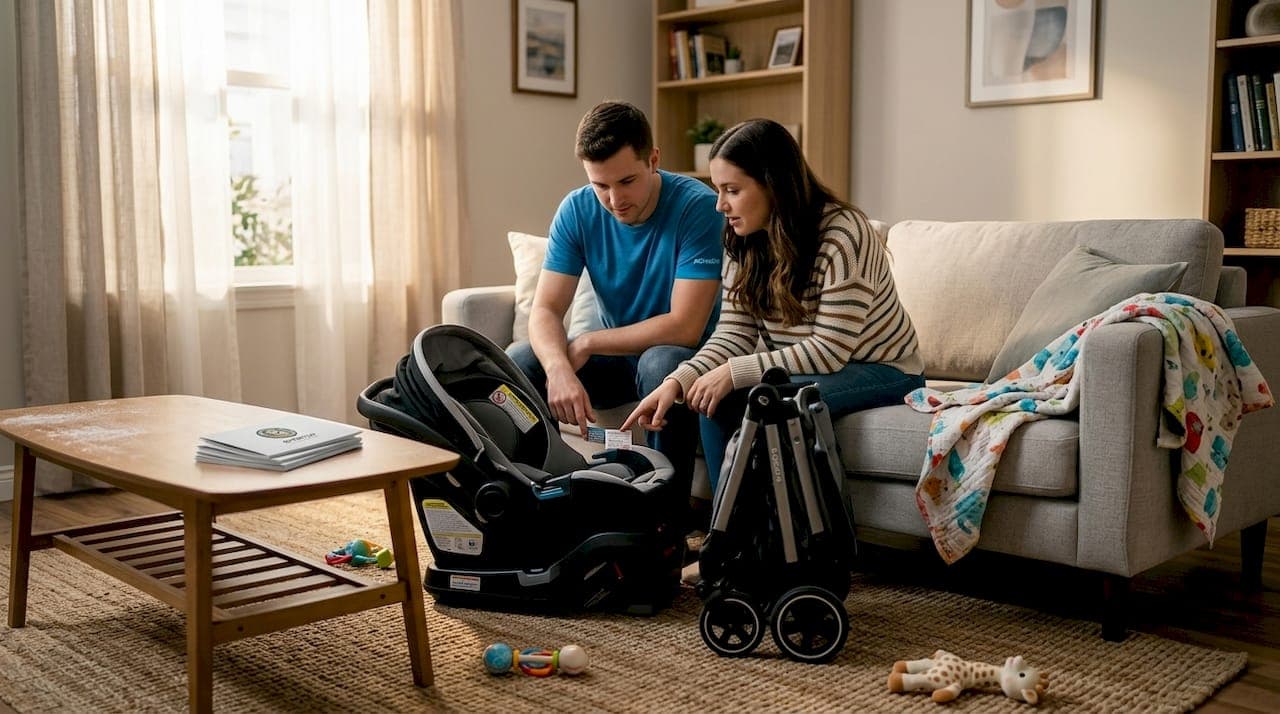
When you shop for baby gear, you assume every product meets strict safety standards. Yet research reveals that 80% of children's foam products contain flame retardants, including mattresses, car seats, and nap mats your child uses daily. These chemicals migrate into household dust and enter tiny bodies through normal hand-to-mouth behavior. Understanding how to identify and choose flame retardant free baby gear protects your child from unnecessary exposure to substances linked to developmental concerns. This guide explains why flame retardants persist in baby products, how to recognize safer alternatives, and practical steps to minimize risk in your home.
Table of Contents
- Key Takeaways
- Understanding flame retardants in baby gear: prevalence and risks
- Regulatory background and safer alternatives to flame retardants
- Practical strategies for parents to reduce flame retardant exposure
- Comparing flame retardant free certifications and labels for baby gear
- Shop flame retardant free baby gear at River TOT
- FAQ
Key Takeaways
| Point | Details |
|---|---|
| Prevalence in foam | Up to 80 percent of children's foam products and 90 percent of preschool foam items contain flame retardants, creating widespread exposure in baby environments. |
| Exposure routes | Chemicals can reach infants through in utero transfer, breast milk, household dust, and hand to mouth behavior during daily routines. |
| Regulatory background | California TB117 legacy pushed flame retardants nationwide until the 2013 update exempted non fire hazard items, yet many products still include these chemicals. |
| Safer alternatives exist | Safer materials and updated standards allow smolder resistant options without chemical additives, but industry inertia and cost slow adoption. |
| Trusted labeling | Look for certified flame retardant free gear and trusted labels to verify products meet current exemption criteria and safety expectations. |
Understanding flame retardants in baby gear: prevalence and risks
Flame retardants are synthetic chemicals added to foam, fabric, and plastic to slow ignition. Manufacturers historically treated baby mattresses, car seat padding, changing pad covers, and nursing pillows with these substances to meet fire safety standards. Despite their intended protective purpose, 80% of children's foam products and 90% of preschool foam items contain flame retardants, creating widespread exposure in environments designed for infant care.
Your baby encounters these chemicals through multiple pathways. Exposure occurs via in utero transfer, breast milk, and dust ingestion through hand-to-mouth behavior common in infants and toddlers. When flame retardants migrate from foam into household dust, crawling babies ingest particles as they explore surfaces and bring hands to their mouths dozens of times each hour. The chemicals also transfer through skin contact with treated fabrics during sleep and feeding.
Common baby products containing flame retardants include:
- Crib and bassinet mattresses with polyurethane foam cores
- Car seat padding and stroller cushions
- Portable nap mats used in daycare settings
- Nursing pillows and infant loungers
- High chair cushions and bouncer seat covers
Research shows that early childhood exposure to toxic flame retardants correlates with behavioral concerns. Young children face heightened vulnerability because their developing systems process chemicals less efficiently than adults. The invisible nature of this risk means parents may unknowingly surround infants with treated materials throughout daily routines. Recognizing that conventional baby gear often contains these substances represents the first step toward making informed purchasing decisions. Understanding exposure routes helps you identify where intervention matters most, from selecting safe outdoor infant gear to evaluating nursery essentials.
"The prevalence of flame retardants in products designed for the most vulnerable population raises serious questions about regulatory priorities and the need for safer alternatives in children's environments."
Regulatory background and safer alternatives to flame retardants
California's TB117 regulation, established in 1975, required furniture filling materials to resist open flame for specific durations. This standard inadvertently pushed manufacturers to saturate foam products with flame retardant chemicals to pass compliance testing. Because California represents a major consumer market, companies applied TB117 standards nationwide rather than producing separate product lines. Baby gear manufacturers followed suit, treating infant mattresses and car seat foam despite minimal fire risk in these applications.
The landscape shifted when TB117-2013 exempted children's products with no fire hazard, recognizing that items like strollers and changing pads posed negligible ignition risk. The updated standard allows manufacturers to meet safety requirements using smolder-resistant materials without chemical additives. However, many companies continue using flame retardants due to supply chain inertia, cost considerations, or outdated formulations. This regulatory lag means parents must actively verify that products meet current exemption criteria.

Natural fabrics offer inherently flame retardant free alternatives. Wool possesses natural fire resistance due to its protein structure and high moisture content, making it ideal for mattress covers and bedding. Organic cotton, while not flame resistant, works safely in applications where fire exposure remains unlikely. These materials meet safety standards without chemical treatment, providing peace of mind for health-conscious parents. When shopping for safe baby products in 2026, prioritizing natural fibers reduces exposure risk.
Concerns persist about replacement flame retardants marketed as safer alternatives. Replacement chemicals remain problematic, with ongoing policy updates like UK exemptions in 2025 showing evolving regulatory standards. Manufacturers sometimes substitute one harmful compound for another untested chemical, maintaining fire resistance claims while introducing new unknowns. This pattern underscores why third-party certification matters more than manufacturer assurances alone.
| Certification | Coverage | Key Benefit |
|---|---|---|
| GOTS | Organic textiles | Verifies organic fiber content and prohibits toxic chemicals |
| OEKO-TEX | Fabric safety | Tests for harmful substances including flame retardants |
| GREENGUARD | Emissions | Confirms low chemical emissions for better indoor air quality |
Pro Tip: When evaluating baby gear, look for products displaying GOTS, OEKO-TEX, or GREENGUARD certification labels. These independent verifications confirm manufacturers tested materials for harmful chemicals and met strict safety thresholds, offering more reliable assurance than marketing claims alone.
Understanding the organic cotton safety guide helps you recognize quality indicators when choosing safe baby clothing. Natural materials combined with credible certifications create the foundation for a flame retardant free nursery.
Practical strategies for parents to reduce flame retardant exposure
Verifying flame retardant free status requires direct investigation. Check product labels for TB117 compliance statements or flame retardant mentions. If tags state "meets TB117" without specifying the 2013 exemption, contact the manufacturer to confirm chemical treatment status. Request written documentation about materials and fire safety compliance methods. Companies using flame retardant free construction will readily provide this information, while vague responses signal potential chemical use.
When you bring new baby gear home, air out items to reduce off-gassing before your baby uses them. Unpack products in a garage or outdoor space for 24 to 48 hours, allowing volatile chemicals to dissipate. This simple step significantly lowers initial exposure to any residual compounds. For items you cannot air out extensively, like mattresses, use a barrier cover made from organic cotton or wool to minimize direct contact.
Regular cleaning habits reduce accumulated flame retardant dust in your home. HEPA vacuuming removes chemical-laden particles from floors and furniture where babies spend time. Vacuum twice weekly in rooms your child frequents, paying attention to areas under cribs and play spaces. Damp mopping hard surfaces captures dust that vacuuming might miss. Wash your hands and your baby's hands frequently, especially before meals, to remove chemicals transferred from surfaces.
Limit car seat use to necessary travel rather than using these items as loungers or feeding chairs at home. Restricting time in car seats reduces prolonged exposure to foam padding that may contain flame retardants. Transfer your baby to a flame retardant free surface like a play mat or crib once you reach your destination. This practice also supports healthy development by varying positions throughout the day.
Steps to select and maintain safe baby gear:
- Research products before purchasing by checking manufacturer websites for material disclosures and safety certifications
- Prioritize items labeled with GOTS, OEKO-TEX, or GREENGUARD certification marks
- Contact customer service to request flame retardant status confirmation if labeling remains unclear
- Air out new purchases in well-ventilated spaces for at least 24 hours before infant use
- Establish a regular HEPA vacuuming schedule for nursery and play areas
- Replace older baby gear manufactured before 2013 that likely contains higher chemical levels
Research links exposure to clinically relevant behavioral problems in young children, making exposure reduction a meaningful health priority. When disposing of old flame retardant-containing gear, check local hazardous waste guidelines. Some municipalities offer special collection for chemical-treated items to prevent landfill contamination. Donating or reselling these products extends their use and exposure risk to other families.
Pro Tip: Delay purchasing foam-based baby gear until you confirm flame retardant free certification through manufacturer documentation or trusted retailer verification. This approach prevents buying items you later need to replace, saving money while protecting your child's health.
Integrating these practices with knowledge about UV protection baby gear and machine washable baby products creates a comprehensive safety strategy. Understanding ergonomic baby gear ensures your choices support both chemical safety and physical development.
Comparing flame retardant free certifications and labels for baby gear
Third-party certifications provide objective verification that baby products meet chemical safety standards. Trusted certifications include GOTS, OEKO-TEX, and GREENGUARD for verifying flame retardant free status and overall material safety. Each certification follows distinct testing protocols and covers different product categories, so understanding their scope helps you make informed choices.
GOTS (Global Organic Textile Standard) certifies organic fiber products throughout the supply chain. This label confirms that textiles contain at least 95% certified organic fibers and prohibits toxic chemicals including flame retardants in processing. GOTS applies to clothing, bedding, and fabric-based accessories, making it valuable when selecting baby clothes, crib sheets, and blankets. The certification requires annual facility inspections and product testing, ensuring ongoing compliance.
OEKO-TEX Standard 100 tests finished products for harmful substances including flame retardants, heavy metals, and pesticides. Unlike GOTS, which focuses on organic production, OEKO-TEX evaluates safety regardless of fiber origin. This certification works for conventional and organic textiles, providing flexibility for manufacturers. Products carrying the OEKO-TEX label meet strict limits for chemical residues based on intended use, with the most stringent requirements applying to items for babies and toddlers.
GREENGUARD certification addresses chemical emissions from products rather than material composition. Items earning this label undergo testing for volatile organic compounds and demonstrate low emissions that improve indoor air quality. GREENGUARD certification applies to furniture, mattresses, and other items that might release chemicals into nursery environments. The Gold level adds restrictions on additional chemicals of concern, offering enhanced protection for sensitive populations.

| Certification | Primary Focus | Product Types | Flame Retardant Coverage |
|---|---|---|---|
| GOTS | Organic textiles and processing | Clothing, bedding, fabric goods | Prohibits toxic flame retardants |
| OEKO-TEX | Harmful substance testing | All textiles and some accessories | Tests for flame retardant residues |
| GREENGUARD | Chemical emissions | Furniture, mattresses, building materials | Limits volatile flame retardant emissions |
These certifications help you differentiate genuinely safe products from misleading marketing. Companies sometimes use terms like "eco-friendly" or "natural" without substantiating claims through independent testing. Certification labels provide accountability because external organizations verify compliance through laboratory analysis and facility audits. When manufacturers display these marks, they accept ongoing scrutiny and potential certification loss if standards slip.
Benefits of choosing certified flame retardant free baby gear:
- Verified absence of toxic chemicals through independent laboratory testing
- Improved indoor air quality from reduced volatile compound emissions
- Environmental sustainability through responsible manufacturing practices
- Transparency about materials and processing methods
- Reduced health risks during critical developmental windows
Pro Tip: Combine certification labels with direct manufacturer inquiries for maximum confidence in product safety. Request test reports or certificates of compliance when making significant purchases like crib mattresses or car seats. Reputable companies willingly share documentation, while hesitation may indicate incomplete safety verification.
Understanding the organic cotton safety guide complements certification knowledge when choosing baby clothing safely. Multiple verification layers create the most reliable assurance that products meet your safety standards.
Shop flame retardant free baby gear at River TOT
Finding trustworthy flame retardant free baby products becomes simpler when you shop with retailers committed to safety and transparency. River TOT curates a selection of baby gear prioritizing non-toxic materials, third-party certifications, and eco-friendly construction. From comfortable baby clothes made with organic fabrics to baby carriers designed for safe ergonomic support, each product undergoes careful evaluation for chemical safety.

The portable baby bouncers and other gear available through River TOT meet current safety standards without relying on chemical flame retardants. This commitment to health-conscious product selection means you can shop confidently, knowing that items support your child's wellbeing. Explore the full range of certified baby essentials and join parents who prioritize both safety and sustainability in their purchasing decisions.
FAQ
Are flame retardants harmful to babies?
Yes, exposure to flame retardants links to increased behavioral problems in young children according to recent research. Infants and toddlers face heightened vulnerability because their developing systems process chemicals less efficiently than adults. Reducing exposure through careful product selection helps protect your baby's neurological development and overall health during critical growth periods.
How can I tell if baby gear contains flame retardants?
Check product tags for absence of TB117 labels or flame retardant mentions, which indicate chemical treatment. Contact manufacturers directly to request written confirmation of flame retardant free status and material composition. Look for certification labels like GOTS, OEKO-TEX, or GREENGUARD that verify independent testing for harmful chemicals. Consulting guides about identifying safe baby products helps you recognize reliable brands and trustworthy retailers.
What steps reduce flame retardant exposure at home?
Air out new baby gear before use to reduce off-gassing of volatile chemicals in well-ventilated spaces. Vacuum regularly with HEPA filters to lower dust containing flame retardant particles from floors and furniture. Limit prolonged use of car seats as loungers, restricting them to necessary travel to decrease contact duration with potentially treated foam padding.
Which baby products most commonly contain flame retardants?
Crib and bassinet mattresses with polyurethane foam cores frequently contain flame retardants along with car seat padding and stroller cushions. Portable nap mats used in daycare settings and nursing pillows also commonly receive chemical treatment. High chair cushions, bouncer seat covers, and changing pad foam represent additional sources of potential exposure in daily baby care routines.
Do natural materials provide safe alternatives to treated baby gear?
Wool offers natural fire resistance due to its protein structure and high moisture content, making it ideal for mattress covers and bedding without chemical treatment. Organic cotton works safely in applications where fire exposure remains unlikely, such as clothing and sheets. These natural fibers meet safety standards while avoiding synthetic flame retardants, providing effective alternatives for health-conscious parents prioritizing non-toxic baby gear.