
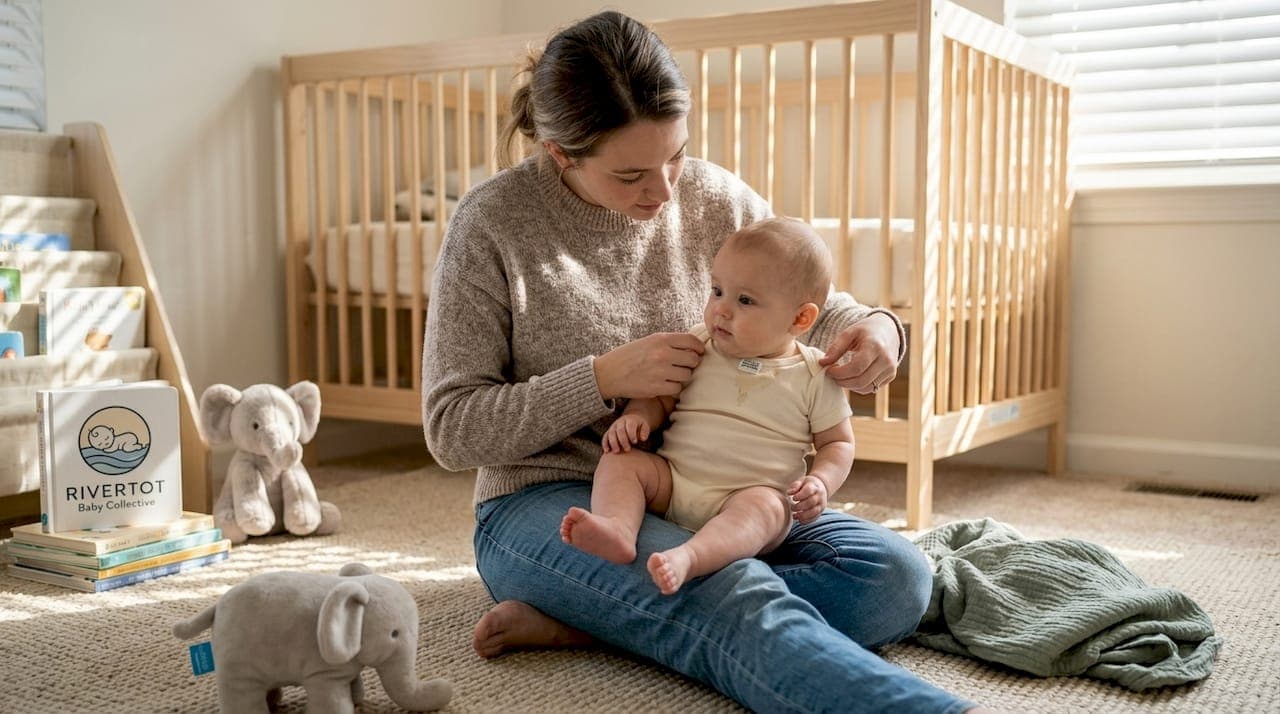
Many parents assume all cotton baby clothes are equally safe, but the reality is surprising. Conventional cotton is one of the most chemically treated crops worldwide, with residues that can remain in fabrics touching your baby's delicate skin. Organic cotton offers a cleaner, safer alternative that's gaining momentum in 2026 as more families prioritize health and sustainability. This guide explores why organic cotton has become the gold standard for baby clothing, covering health benefits, environmental impact, and practical shopping tips to help you make informed choices for your little one.
Table of Contents
- Understanding what makes organic cotton different
- Health benefits of organic cotton for your baby
- Environmental and ethical advantages of organic cotton for baby clothing
- Practical tips for choosing and caring for organic cotton baby clothes
- Explore safe, stylish organic cotton baby clothes at River tot
- Frequently asked questions
Key takeaways
| Point | Details |
|---|---|
| Chemical-free safety | Organic cotton eliminates exposure to toxic pesticides and synthetic fertilizers that can irritate baby skin. |
| Superior comfort | Natural fibers provide exceptional softness and breathability ideal for sensitive infant skin. |
| Environmental responsibility | Organic farming uses 91% less water and supports biodiversity without harmful runoff. |
| Ethical production | Certified organic cotton often ensures fair labor practices and transparent supply chains. |
| Easy availability | Stylish, durable organic cotton babywear is widely accessible in 2026 from trusted retailers. |
Understanding what makes organic cotton different
Organic cotton represents a fundamental shift in how fabric is grown and processed. Unlike conventional cotton, organic cotton is grown without toxic pesticides and synthetic fertilizers, using natural methods that prioritize soil health and ecosystem balance. This distinction matters enormously for baby clothing because conventional cotton farming relies heavily on chemicals that can leave residues in finished fabrics.
The production process for conventional cotton typically involves over 20 different pesticides and herbicides, many classified as hazardous by health organizations. These chemicals don't simply disappear during manufacturing. Trace amounts can persist in fibers, creating potential contact points with your baby's skin throughout the day. For infants whose skin is up to 30% thinner than adult skin, this exposure carries heightened risks.
Organic cotton farming takes a different approach entirely. Farmers use crop rotation, beneficial insects, and composting to maintain healthy soil and manage pests naturally. The result is cotton that's inherently cleaner from seed to finished garment.
Organic vs. Conventional Cotton Chemical Exposure
| Factor | Organic Cotton | Conventional Cotton |
|---|---|---|
| Pesticide use | Zero synthetic pesticides | 20+ different chemicals |
| Fertilizer type | Natural compost, manure | Synthetic nitrogen-based |
| Chemical residues in fabric | Minimal to none | Detectable trace amounts |
| Processing chemicals | Restricted by certification | Unrestricted use |
Key organic cotton farming practices include:
- Rotating cotton with other crops to naturally replenish soil nutrients
- Using compost and animal manure instead of synthetic fertilizers
- Employing beneficial insects and trap crops for pest management
- Avoiding genetically modified seeds entirely
- Maintaining buffer zones to prevent chemical drift from neighboring farms
Pro Tip: Always look for GOTS (Global Organic Textile Standard) or USDA Organic certification labels when shopping for baby clothes. These third-party certifications verify that products meet strict organic standards throughout the entire supply chain, from farm to finished garment.
Health benefits of organic cotton for your baby
Your baby's skin is their largest organ and their first line of defense against the outside world. Choosing fabrics that support rather than compromise this protective barrier makes practical sense. Organic cotton provides multiple health advantages that conventional alternatives simply cannot match.
The hypoallergenic nature of organic cotton reduces skin irritation risks significantly. Without chemical residues from pesticides, flame retardants, or harsh dyes, organic cotton fabrics interact more gently with sensitive skin. This is particularly important for babies prone to eczema, contact dermatitis, or general skin sensitivity.

Chemical exposure through clothing represents a often overlooked pathway for infant health concerns. Babies spend most of their day in direct contact with fabric, whether sleeping, playing, or being carried. Their higher skin permeability and faster metabolic rates mean they absorb substances more readily than adults. Eliminating unnecessary chemical exposure through clothing choices offers meaningful protection during these vulnerable early months.
Organic cotton's breathability and moisture-wicking properties contribute to skin health in practical ways. Natural fibers allow air circulation that helps regulate body temperature and prevents the damp conditions where bacteria and fungi thrive. This matters especially in diaper areas, under arms, and other spots prone to moisture buildup.
"Infant skin has a higher surface area to body weight ratio and increased permeability compared to adult skin, making babies more vulnerable to absorption of chemicals from clothing. Choosing organic textiles significantly reduces this exposure risk during critical developmental periods."
Key health benefits for babies wearing organic cotton:
- Reduced allergic reactions and contact dermatitis from chemical-free fibers
- Lower risk of respiratory irritation from fabric off-gassing
- Better temperature regulation preventing overheating or chilling
- Decreased bacterial growth due to superior moisture management
- Gentler texture that won't scratch or chafe delicate skin folds
Pro Tip: Prioritize organic cotton for items that spend the most time against your baby's skin, especially bodysuits, sleepers, and swaddles used during the newborn phase when skin sensitivity peaks.
Environmental and ethical advantages of organic cotton for baby clothing
Choosing organic cotton for your baby extends benefits far beyond your nursery. The environmental footprint of conventional cotton production is staggering, consuming enormous water resources and polluting ecosystems with chemical runoff. Organic methods offer a dramatically cleaner alternative that aligns with values many parents hold about the world they're raising children in.
Water conservation represents one of organic cotton's most impressive environmental wins. Organic cotton farming uses 91% less water compared to conventional methods, primarily because healthy organic soil retains moisture more effectively. This matters enormously in a world facing increasing water scarcity, particularly in cotton-growing regions already experiencing drought stress.
The absence of synthetic pesticides and fertilizers prevents toxic runoff that contaminates rivers, lakes, and groundwater. Conventional cotton farming accounts for roughly 16% of global insecticide use despite occupying less than 3% of farmland. These chemicals don't stay put; they migrate into water systems where they harm aquatic life and can eventually reach drinking water supplies.
Environmental Impact Comparison

| Impact Category | Organic Cotton | Conventional Cotton |
|---|---|---|
| Water usage | 91% less | High irrigation demands |
| Soil health | Improved over time | Degraded by chemicals |
| Carbon footprint | 46% lower | Higher due to synthetic inputs |
| Biodiversity | Supports varied ecosystems | Harms beneficial insects |
| Groundwater contamination | Minimal risk | Significant pesticide runoff |
Organic certification often correlates with improved labor conditions and fair trade practices. While not automatic, many organic cotton producers prioritize worker safety and fair wages as part of their overall ethical approach. This creates supply chains you can feel better about supporting.
Environmental benefits of choosing organic cotton baby clothes:
- Preservation of soil health for future generations of farmers
- Protection of biodiversity including pollinators and beneficial insects
- Elimination of GMO crops that can cross-contaminate conventional varieties
- Reduced greenhouse gas emissions from avoiding synthetic fertilizer production
- Support for farming communities transitioning to sustainable practices
When you purchase organic cotton baby clothes, you're voting with your wallet for agricultural systems that work with nature rather than against it. As demand grows, more farmers can afford the three-year transition period required to achieve organic certification, expanding the positive impact.
Practical tips for choosing and caring for organic cotton baby clothes
Knowing organic cotton's benefits is one thing; confidently selecting quality products and maintaining them properly is another. These practical strategies help you navigate the organic baby clothing market and get maximum value from your purchases.
Verifying authentic organic certification:
- Look for GOTS (Global Organic Textile Standard) certification, the most rigorous textile standard requiring 95% organic fibers
- Check for USDA Organic labels, which verify cotton meets U.S. organic farming standards
- Research brand transparency by visiting company websites to learn about their sourcing practices
- Read product descriptions carefully for specific certification mentions, not just vague "eco-friendly" claims
- Be wary of prices that seem too good to be true, as genuine organic cotton costs more to produce
Quality indicators extend beyond certification. Fabric weight, weave tightness, and finishing all affect how clothes perform. For newborns, look for lightweight, soft knits around 180-200 GSM (grams per square meter) that won't overwhelm tiny bodies. As babies grow more active, slightly heavier fabrics around 220-240 GSM offer better durability for crawling and playing.
Caring for organic cotton properly preserves its softness and extends garment life. Machine washable organic cotton retains quality when you follow best practices that protect natural fibers.
Washing and care best practices:
- Wash in cold or warm water (not hot) to prevent shrinkage and fiber damage
- Use plant-based, fragrance-free detergents that won't coat fibers or irritate baby skin
- Skip fabric softeners entirely, as they reduce absorbency and can leave residues
- Line dry when possible to save energy and extend fabric life
- If machine drying, use low heat and remove items while slightly damp
- Avoid bleach, which breaks down natural fibers and eliminates organic benefits
Pro Tip: Buy machine washable organic cotton pieces that can handle frequent laundering without special treatment. Babies are messy, and clothes that require hand washing or delicate cycles quickly become impractical for daily use.
When shopping, consider starting with basics like organic cotton bodysuits that get worn constantly. These foundational pieces deliver the most value from organic investment since they spend the most time against baby's skin. You can mix organic essentials with conventional items for less critical pieces as budget allows.
Explore safe, stylish organic cotton baby clothes at River tot
Finding organic cotton baby clothes that combine safety, comfort, and adorable style doesn't have to be a challenge. River tot curates a thoughtful selection of organic cotton apparel designed specifically for the needs of infants and toddlers. Every piece meets rigorous safety standards while supporting eco-conscious production practices that align with your values as a parent.

From everyday essentials like our organic cotton cozy baby bodysuit to special occasion outfits, River tot offers organic options for every moment in your baby's day. Our collection features soft, breathable fabrics that move with active babies while providing the gentle touch sensitive skin needs. Beyond clothing, we carry a complete range of baby essentials including gear, safety accessories, and nursery items, all selected with the same commitment to quality and safety. Explore styles that make dressing your little one both practical and delightful, with the peace of mind that comes from choosing comfortable, safe baby clothes from a trusted source. Visit River tot today to discover organic cotton options that work beautifully for your family.
Frequently asked questions
Why is organic cotton better for babies than regular cotton?
Organic cotton avoids the harmful pesticides and synthetic chemicals used in conventional cotton farming, which can leave residues that irritate delicate baby skin. The natural fibers are inherently softer and more breathable, making them ideal for infants whose skin is thinner and more permeable than adults. Choosing organic also supports environmentally responsible farming practices that protect ecosystems and reduce chemical pollution.
How can I verify if baby clothes are truly organic cotton?
Look for third-party certifications like GOTS (Global Organic Textile Standard) or USDA Organic on product labels and packaging. These certifications require rigorous verification throughout the supply chain, not just at the farming stage. Purchase from reputable brands and retailers that openly disclose their sourcing information and manufacturing processes. Be skeptical of vague claims like "natural" or "eco-friendly" without specific certification backing.
Is organic cotton baby clothing more expensive?
Organic cotton typically costs 10-20% more than conventional cotton due to more labor-intensive farming practices, certification requirements, and lower yields per acre. However, the investment often proves worthwhile when you consider the health benefits for your baby's sensitive skin and the superior durability of quality organic garments. Many parents find that organic pieces last through multiple children, making the per-wear cost comparable to cheaper alternatives that wear out quickly.
Can organic cotton baby clothes be machine washed safely?
Yes, most organic cotton baby clothes are designed for regular machine washing and hold up beautifully with proper care. Use cold or warm water with gentle, plant-based detergents and avoid fabric softeners that can coat fibers. Following care label instructions helps maintain the softness and integrity of organic cotton through countless wash cycles. The durability of quality organic cotton actually makes it more practical for busy parents than delicate conventional alternatives.
Recommended
- What is organic cotton? A safe guide for parents in 2026
- Why choose machine washable baby products in 2026 – River tot
- Organic Cotton Baby Bodysuit – Eco-Friendly Cozy Comfort for Your Little One - River tot - Organic Short Sleeve Baby Bodysuit | Spreadshirt 401 - Spreadconnectkeywords
- Baby clothing checklist 2026: essentials for comfort – River tot