
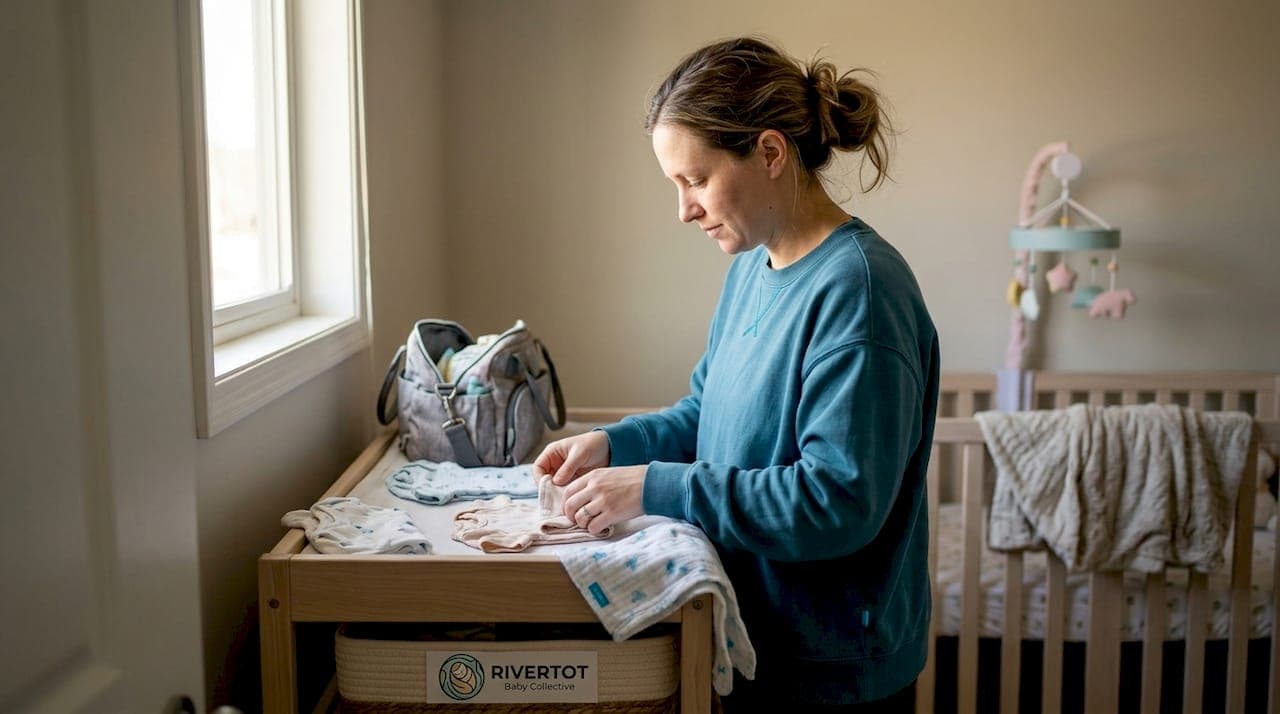
Most new parents assume a newborn needs a closet bursting with tiny outfits. The truth is far simpler. A baby layette is a focused, curated set of clothing, bedding, and accessories designed to cover everything your newborn needs in the first weeks of life. Getting this right saves you money, cuts down on clutter, and means you always have what you need on hand when it matters most.
Table of Contents
- What is a baby layette?
- Essential layette items: The complete checklist
- Choosing fabrics, sizing, and comfort
- Safety essentials and best practices
- Pre-packaged layette sets vs. customizing your own
- Budgeting, when to shop, and expert tips
- Where to find quality baby layette essentials
- Frequently asked questions
Key Takeaways
| Point | Details |
|---|---|
| Layette basics | A baby layette is a set of essential clothes and accessories designed for a newborn’s needs. |
| Checklist essentials | Include onesies, sleepers, hats, socks, swaddles, and diapers—focus on practicality, not quantity. |
| Prioritize safety | Always wash new items, choose natural fabrics, and avoid loose bedding for safe newborn sleep. |
| Customize or bundle | Choose pre-packaged sets for convenience or customize your own for more control over quality and style. |
What is a baby layette?
A layette is not a brand or a product line. It is a tradition. The word comes from French, originally meaning a small box or drawer used to store a baby's first belongings. Today, the term refers to the complete collection of essentials a newborn needs: clothing, bedding, and basic care accessories.
"A baby layette is a collection of essential clothing, bedding, and accessories for a newborn — a time-honored tradition that helps parents prepare for those first unpredictable weeks."
The concept is universal. Across cultures and income levels, parents have always gathered a core set of items before a baby arrives. The layette exists because newborns have very specific needs: they cannot regulate their own body temperature, they go through multiple outfit changes daily, and their skin is sensitive to rough or synthetic materials. A well-planned layette addresses all of that without overwhelming you.
Now that you've seen why an overstuffed wardrobe isn't necessary, let's break down exactly what a baby layette includes.
Essential layette items: The complete checklist
To make it easy, here's a straightforward checklist of what to include in your baby's first set of clothes and gear. Core clothing items include 4 to 8 bodysuits or onesies, 4 to 8 pajamas or sleepers, 2 to 3 pants or leggings, 4 to 7 pairs of socks or booties, 1 to 3 hats, and scratch mitts. Beyond clothing, additional essentials include swaddle or receiving blankets, burp cloths, hooded towels, washcloths, and diapering basics.

| Item | Quantity | Purpose |
|---|---|---|
| Onesies / bodysuits | 4 to 8 | Everyday base layer, easy diaper access |
| Pajamas / sleepers | 4 to 8 | Comfortable sleep and lounging |
| Pants / leggings | 2 to 3 | Warmth and layering |
| Socks / booties | 4 to 7 pairs | Foot warmth, temperature regulation |
| Hats | 1 to 3 | Head warmth, especially at birth |
| Scratch mitts | 2 to 3 pairs | Prevent facial scratches |
| Swaddle blankets | 2 to 4 | Comfort, warmth, and sleep aid |
| Burp cloths | 6 to 10 | Feeding messes and spit-up |
| Hooded towels | 2 to 3 | Post-bath drying |
| Washcloths | 4 to 6 | Gentle face and body cleaning |
| Diapers (newborn) | 1 to 2 packs | Daily diapering |
| Going-home outfit | 1 | First outing from hospital |
The five most critical pieces in any layette:
- Onesies: The workhorse of newborn clothing. Snap closures make diaper changes fast, even at 3 a.m.
- Sleepers with feet: Keeps your baby warm without needing separate socks that fall off constantly.
- Swaddle blankets: Mimics the womb environment and helps newborns sleep longer stretches.
- Burp cloths: You will always need more than you think. Always.
- Hats: Newborns lose heat rapidly through their heads. A soft hat is essential for the first days.
A solid baby clothing checklist takes the guesswork out of shopping. You can also use a newborn essentials checklist to make sure you haven't missed anything beyond clothing.
Pro Tip: Buy one or two extra sets of pajamas and onesies beyond what you think you need. Blowouts and spit-up happen at the worst times, and having backup outfits means you're not doing laundry at midnight.
Choosing fabrics, sizing, and comfort
Once you know what to buy, it's just as important to pick items made for safety and comfort. Not all baby clothes are created equal, and the wrong fabric can irritate your newborn's skin within hours.
What to look for in fabrics and features:
- Soft cotton or organic cotton: Breathable, gentle on sensitive skin, and easy to wash. Organic options skip harsh chemical treatments used in conventional cotton farming.
- Tagless designs: Tags seem minor until your baby screams for an hour and you finally find the culprit. Tagless or printed labels are a must.
- Envelope necklines: These fold down over the shoulders, making it easier to remove a onesie after a blowout without dragging it over your baby's head.
- Snaps vs. zippers: Zippers are faster for nighttime changes. Snaps offer more flexibility in fit. Ideally, have both in your rotation.
- Avoid drawstrings and loose embellishments: These are choking and strangulation hazards on newborn clothing.
Soft, breathable cotton with easy-access snaps or zippers and 0 to 3 month sizing is the expert-recommended starting point for most newborns. Babies grow so fast in the first months that newborn-sized clothing is often outgrown within two to three weeks.
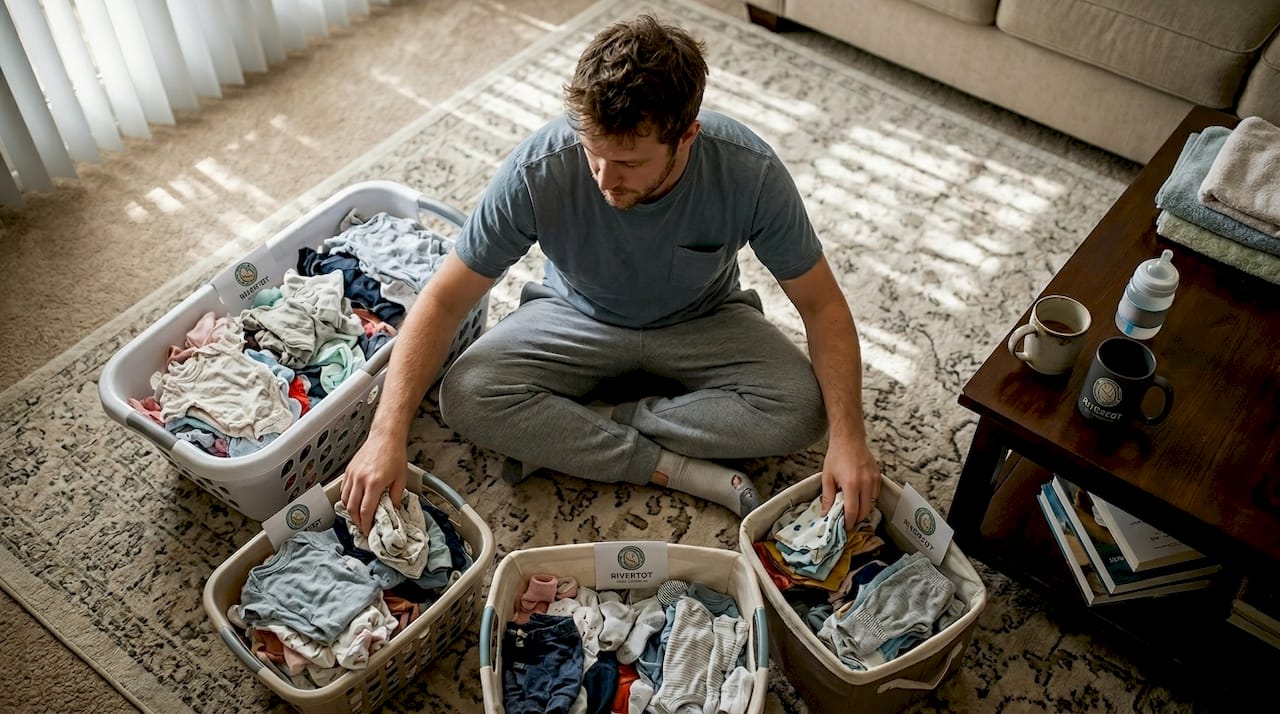
Climate matters too. If you live somewhere warm, lightweight cotton layers and breathable fabrics are your best bet. In colder regions, add fleece-lined footie pajamas and extra hats or booties. You can learn more about choosing baby clothing for different seasons and needs. If you prefer a flexible wardrobe that works for any baby, gender-neutral baby clothing is also a smart, practical choice.
Pro Tip: Unless your provider predicts a larger baby, start with 0 to 3 month sizing. Newborn sizes are often skipped entirely for babies born at or above average weight.
Safety essentials and best practices
After comfort and fit, safety is non-negotiable. Here's how to set your baby up for a healthy start from day one.
"Wash all new items before use with fragrance-free detergent. Avoid loose blankets and pillows in sleep areas to reduce SIDS risk. Always use firm, flat sleep surfaces."
SIDS (Sudden Infant Death Syndrome) is a real concern for new parents, and the sleep environment is one of the biggest factors. Washing all new items before first use, avoiding loose bedding, and using firm sleep surfaces are the three most important steps you can take right away.
Safety habits every new parent should adopt:
- Wash every new clothing item and blanket before it touches your baby's skin. Use fragrance-free, dye-free detergent.
- Keep the sleep area clear. No pillows, no stuffed animals, no loose blankets. A fitted sheet on a firm mattress is all you need.
- Dress your baby in one more layer than you are wearing. If you're comfortable in a t-shirt, your baby needs a light layer on top.
- Check clothing regularly for loose threads, buttons, or snaps that could come off and become a choking hazard.
- Never leave your baby unattended on a changing table, even for a second.
For a full breakdown of how to dress your newborn safely in different situations, the guide on how to dress your newborn covers everything from hospital discharge to the first weeks at home. You can also review safe newborn sleep tips for a complete picture of a safe sleep setup.
Pre-packaged layette sets vs. customizing your own
With essentials clarified, you can choose between bundles or a DIY approach. Both have real advantages depending on your situation.
Layette sets are convenient pre-packaged bundles, but customizing your own allows you to select for climate, gender-neutral options, and organic fabrics that match your priorities.
| Feature | Pre-packaged set | Custom layette |
|---|---|---|
| Convenience | High, ready to go | Lower, requires research |
| Cost | Often lower per item | Can vary widely |
| Personalization | Limited | Full control |
| Fabric quality | Varies by brand | You choose |
| Climate suitability | Generic | Tailored to your region |
| Great for gifts | Yes | Less practical as a gift |
How to build your own custom layette in five steps:
- Start with the checklist above and note quantities for each item.
- Research fabrics and look for organic or GOTS-certified cotton options.
- Check your local climate and adjust for lightweight or heavier layers.
- Decide on gender-neutral or specific styles based on your preference.
- Shop from trusted sources and compare sizing charts before buying.
Pre-packaged sets make excellent baby shower gifts and are a great starting point for first-time parents who feel overwhelmed. If you want a ready-made option, pre-packaged layette gifts are a popular choice. For parents who want to take a more hands-on approach, building a layette piece by piece gives you the most control over quality and fit.
Budgeting, when to shop, and expert tips
Whether you buy bundles or build your own, smart shopping and planning help you get just what you need without overspending.
Average layette cost: $800 to $1,500. That number covers clothing, bedding, diapering basics, and accessories. It sounds like a lot, but spread across the first several months of your baby's life, it breaks down to a manageable investment. The average layette cost sits between $800 and $1,500, with most parents also planning for 7 to 10 outfit changes daily in the early weeks.
The ideal time to start shopping is between 12 and 20 weeks of pregnancy. You're past the highest-risk period of the first trimester, you likely know your due date, and you have time to research without rushing.
Minimalist vs. comprehensive layette:
- Minimalist approach: Focus on 4 to 5 onesies, 4 sleepers, 2 swaddles, and basic diapering supplies. Works well if you have easy access to laundry and live in a mild climate.
- Comprehensive approach: Stock up on the full checklist quantities, add extras for each category, and include seasonal layers. Best for parents with limited laundry access or unpredictable weather.
Neither approach is wrong. It comes down to your lifestyle, storage space, and how often you want to do laundry.
Pro Tip: Keep a small stash of backup outfits in a diaper bag or car bag. When a blowout happens away from home, you'll be grateful you planned ahead.
Using a parent essentials checklist alongside your layette list ensures you're not doubling up on items you already have or forgetting something critical.
Where to find quality baby layette essentials
Now that you're ready to assemble your layette, here's where you can find everything you need in one place.
At Rivertot, we've put together a curated selection of newborn clothing and layette essentials designed with safety, softness, and practicality in mind. Whether you're looking for a complete set or individual pieces, you'll find options that meet the standards new parents actually care about.

For soft, everyday wear, our comfortable baby clothes are a great starting point. If you're building out your onesie supply, our newborn onesies are designed with easy snap closures and gentle fabrics that work for sensitive skin. We also carry ready-made layette sets if you want everything bundled and ready to go. Shopping for a newborn should feel exciting, not stressful, and we're here to make that easier for you.
Frequently asked questions
What items are absolutely necessary in a baby layette?
The must-haves are onesies, sleepers, socks, hats, swaddle blankets, burp cloths, diapers, and a going-home outfit. These core layette items cover every basic need in the first weeks.
How many clothing items do I really need for a newborn?
Plan for 4 to 8 onesies, 4 to 8 sleepers, and 4 to 7 pairs of socks. Expert-recommended quantities account for multiple daily changes without requiring constant laundry.
Are pre-made layette sets worth it?
They are convenient and often cost-effective, but customizing your layette gives you better control over fabric quality, sizing, and climate suitability.
What size should I choose for newborn clothing?
Start with 0 to 3 months. Most newborns outgrow the newborn size within weeks, and starting with 0 to 3 months gives you more use from each piece.
What safety steps should I take with newborn clothes and bedding?
Wash everything before first use with fragrance-free detergent, and keep your baby's sleep area free of loose bedding. These basic safety steps significantly reduce the risk of skin irritation and unsafe sleep conditions.