

TL;DR:
- Focus on safety, comfort, and practicality when choosing baby essentials.
- Essential items include appropriate clothing, sleep gear, safety devices, and diapers.
- Avoid overbuying with focus on core needs and practical, multi-use products.
Bringing a new baby home is one of the most exciting moments of your life, and also one of the most overwhelming. Walk into any baby store or scroll through any parenting forum and you'll find hundreds of products all claiming to be absolutely necessary. The truth? Most aren't. What your baby actually needs comes down to a focused set of items that prioritize safety, comfort, and real-world practicality. This guide cuts through the noise, giving you clear selection criteria, a trusted checklist, and side-by-side comparisons so you can shop with confidence instead of anxiety.
Table of Contents
- How to choose baby essentials: Safety and comfort first
- The core baby essentials: A definitive checklist
- Comparing top baby essentials by category
- Situational picks: Essentials for every parenting style and budget
- What to skip: Non-essential or overrated baby products
- A parent's perspective: Lessons learned beyond the checklist
- Find your essentials with River Tot
- Frequently asked questions
Key Takeaways
| Point | Details |
|---|---|
| Prioritize safety | Always choose essentials with trusted safety certifications and parent reviews. |
| Select for comfort | Pick soft, well-designed products that keep your baby cozy in all weather. |
| Adapt to your needs | Customize your essentials list based on your family’s lifestyle and living situation. |
| Avoid overspending | Skip gimmicky products so you can focus your budget on items that matter most. |
How to choose baby essentials: Safety and comfort first
With the stakes so high for tiny humans, let's clarify what really matters in choosing baby essentials. Every product you bring into your baby's life should earn its place on three core grounds: safety, comfort, and practicality.
Safety is always the first filter. Look for products that carry recognized certifications such as JPMA (Juvenile Products Manufacturers Association) approval or ASTM International standards. Avoid items with small detachable parts, loose fabric ties, or synthetic dyes that can irritate sensitive skin. Hypoallergenic materials, especially for clothing and bedding, reduce the risk of rashes and allergic reactions. Resources like safe nursery essentials highlight exactly what certifications and product features to look for in 2026.
Comfort comes right after safety. Babies can't tell you when something feels wrong, so the materials and design of every item matter enormously. Soft, breathable fabrics like cotton and bamboo regulate body temperature better than synthetics. Ergonomic designs in carriers, bouncers, and car seats support your baby's developing spine and hips. Adaptability also counts: products that work across multiple seasons or growth stages give you far more value.
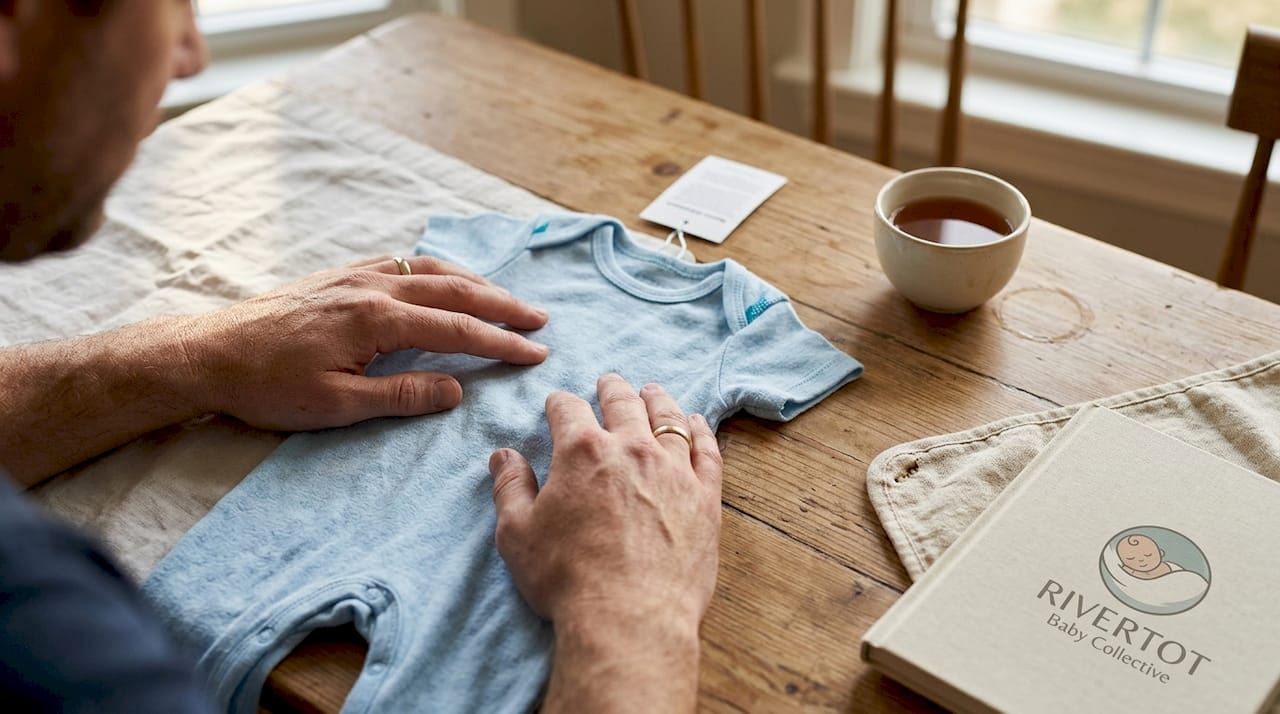
Practicality seals the deal. Multi-use items that grow with your baby, are easy to clean, and don't require a manual every time you use them are worth every penny. A product that's difficult to wash or assemble will frustrate you during the sleep-deprived newborn phase.
Here's a quick framework to apply before any purchase:
- Does it meet current safety standards?
- Is it made from soft, non-toxic materials?
- Can it be cleaned easily (machine washable preferred)?
- Will it last from newborn through toddler age?
- Is it genuinely necessary, or just appealing marketing?
For clothing specifically, building a newborn essentials checklist around seasonal needs and layering keeps you from overspending. A few well-chosen pieces beat a drawer full of outfits your baby outgrows in two weeks. You can also find detailed guidance on dressing your newborn for both comfort and safety.
Pro Tip: Build your baby's wardrobe around layers rather than thick single pieces. A onesie, a light cardigan, and a swaddle give you far more flexibility than a single heavy outfit, and you can adjust quickly as temperatures shift.
The core baby essentials: A definitive checklist
Once the right criteria are in mind, here's an essentials checklist every parent can trust. A detailed checklist for newborns shows that 95% of parents miss at least one critical category when preparing for baby's arrival.
-
Clothing: 6 to 8 onesies, 4 to 6 sleepers, 2 to 3 hats, and 2 to 3 pairs of socks. Refer to a baby clothing checklist to cover all size ranges without overbuying.
- Choose snap or zipper closures for fast diaper changes
- Opt for 100% cotton or bamboo blends
- Buy mostly newborn and 0 to 3 month sizes, babies grow fast
-
Feeding items: Bottles (even if breastfeeding, as backup), breast pump if nursing, burp cloths (at least 6), and a nursing pillow.
- Look for BPA-free bottles with slow-flow nipples
- Muslin burp cloths wash and dry quickly
-
Sleep gear: A firm, flat crib mattress, fitted crib sheets (2 to 3), and a bassinet for the first few months. Understanding what is a baby layette helps you organize sleep essentials into a cohesive starter kit.
- No pillows, bumpers, or loose blankets in the sleep space
- A white noise machine supports longer, safer sleep
-
Safety basics: Infant car seat, baby monitor, digital thermometer, and nasal aspirator.
- Car seat must be installed and inspected before baby comes home
- A rectal thermometer gives the most accurate reading for infants
-
Diapering: Diapers (newborn and size 1), unscented wipes, diaper cream, and a changing pad.
- Stock roughly 10 to 12 diapers per day for newborns
- A waterproof changing pad cover saves time on laundry
Pro Tip: Choose zippered onesies over snap closures for nighttime changes. In a dark room at 3 a.m., one smooth zip beats fumbling with four snaps every single time.
Comparing top baby essentials by category
With your checklist covered, the following table shows how leading essentials stack up within each category. Understanding essential baby gear types helps you weigh these options with context.
| Category | Safety rating | Comfort level | Ease of cleaning | Lifespan | Avg. cost |
|---|---|---|---|---|---|
| Infant car seat | Very high | High | Moderate | 0 to 2 years | $80 to $300 |
| Crib with mattress | Very high | High | Easy | 0 to 3 years | $150 to $500 |
| Baby carrier | High | Very high | Easy | 0 to 3 years | $40 to $180 |
| Feeding bottles (set) | High | Moderate | Very easy | 0 to 18 months | $20 to $60 |
| Swaddle blankets (3-pack) | High | Very high | Very easy | 0 to 6 months | $15 to $50 |
| Diapers (monthly supply) | High | High | N/A | Ongoing | $50 to $120/mo |
Not every top-rated product justifies the extra cost. A $300 car seat and a $90 car seat can both meet federal safety standards. The difference often comes down to extra padding, a longer lifespan, or a convertible design that grows with your child. For eco-conscious families, exploring an eco-friendly diapers guide can reveal options that are both safe and gentler on the environment.
If you live in an apartment, a compact bassinet beats a full-size crib for the first three months. If you travel frequently, a convertible car seat that fits multiple vehicles saves you from buying duplicates. Your lifestyle shapes which tier of each category makes the most sense.
Situational picks: Essentials for every parenting style and budget
No two families are identical, so here's how to personalize your essentials list based on lifestyle and environment.
| Parenting scenario | Must-have additions | Items you can skip |
|---|---|---|
| Apartment living | Compact bassinet, foldable bouncer | Full-size swing, jumbo stroller |
| Frequent travel | Portable crib, travel-size changing pad | Bulky floor gym |
| Second-time parents | Upgrade car seat, extra swaddles | Most newborn gear (reuse) |
| Green living | Cloth diapers, organic cotton clothing | Disposable wipe warmers |
| Tight budget | Multi-use items, secondhand gear | Specialty gadgets |
For on-the-go parents, a few overlooked items make a huge difference:
- A lightweight travel crib that folds into a carry bag
- A portable, waterproof changing pad that fits in any diaper bag
- An all-season blanket that works from stroller to car seat
- A compact, battery-powered white noise machine for naps away from home
Minimalist and urban parents often find that trimming the list actually improves the experience. As one seasoned parent put it:
"We moved across the country when our baby was three months old. Everything we truly needed fit in two bags. The rest was just stuff we thought we needed before she arrived."
For families focused on sustainability, eco-friendly diaper tips can help you reduce waste without sacrificing convenience. And if you're shopping for a gift, a guide to practical newborn gifts keeps your purchase genuinely useful rather than decorative.
What to skip: Non-essential or overrated baby products
Equally important to what you buy is knowing what to skip, so you can keep your home and budget streamlined. The newborn essentials checklist confirms that many popular items rarely get used after the first few weeks.
Here are the most common non-essentials to avoid:
- Wipe warmers: Babies adapt quickly to room-temperature wipes, and warmers add electricity costs and can dry out wipes over time.
- Elaborate crib bedding sets: Bumpers, quilts, and decorative pillows are actually unsafe for infants under 12 months and should never be in the sleep space.
- Baby shoes for newborns: Newborns don't walk. Soft socks are warmer, safer, and far cheaper.
- Dedicated bottle sterilizer: A pot of boiling water or your dishwasher does the same job for free.
- Infant bathtub with bells and whistles: A simple, contoured tub with a non-slip surface is all you need.
- Baby food maker: A regular blender or food processor handles purees just as effectively.
- Fancy diaper pail: A regular trash can with a lid and scented bags works just as well at a fraction of the cost.
Marketing in the baby product space is aggressive and emotionally targeted. Phrases like "pediatrician recommended" or "as seen on parenting blogs" don't automatically mean a product is necessary or even useful. Before buying anything outside your core checklist, ask yourself: does this solve a real problem, or does it just feel reassuring to own? Focus your resources on big-impact essentials. A great car seat matters. A wipe warmer doesn't. Choosing practical newborn gifts or essentials follows the same logic: function over flash, every time.
A parent's perspective: Lessons learned beyond the checklist
Here's something no product guide will tell you: the pressure to be "fully equipped" before your baby arrives is mostly a feeling, not a fact. We've seen parents spend thousands on gear that never left the box, and we've seen others manage beautifully with a bassinet, a handful of onesies, and a solid car seat.
The real lesson isn't about having the right products. It's about staying flexible. Your baby will have opinions about what they like, and those opinions will surprise you. The swaddle blanket that works for one baby is rejected by another. The carrier that every parent raves about might not suit your body type or your baby's temperament.
What actually matters is building a small, trusted core of learned essential lessons and leaving room to adapt. Buy the basics. Wait and see. Add what you genuinely need as you go. This approach saves money, reduces clutter, and honestly, reduces stress. Less really can be more when you choose each item with intention.
Find your essentials with River Tot
Ready to shop with confidence? Here's where trusted picks are just a click away.
At River Tot, every product is chosen with safety, comfort, and practicality in mind, so you don't have to second-guess your selections. Whether you're looking for adorable baby clothes made from soft, breathable fabrics or a reliable baby bouncer seat that keeps your little one comfortable from newborn through nine months, we've got you covered.
Browse the full range of curated essentials at River Tot essentials and find everything on your checklist in one trusted place. Our collections are designed to give you peace of mind from the very first day home.
Frequently asked questions
What are the absolute must-have baby essentials for new parents?
Every new parent needs a safe car seat, crib or bassinet, onesies, swaddles, diapers, wipes, and a reliable thermometer. A complete newborn checklist helps ensure nothing critical gets missed before baby arrives.
How can I tell if a baby product is truly safe?
Look for recognized certifications, check for active recalls, and choose hypoallergenic materials whenever possible. Trusted resources like safe nursery essentials keep you updated on current safety standards in 2026.
How do I avoid buying unnecessary baby items?
Start with a core essentials checklist, prioritize multi-use items, and ask experienced parents what they actually used. A reliable newborn essentials guide is your best defense against impulse purchases.
Are eco-friendly baby products worth it?
Yes, especially for items in direct contact with your baby's skin. Eco-friendly options minimize chemical exposure and reduce waste, and an eco-friendly diapers guide shows how they compare in performance and cost.