
TL;DR:
- Safety, comfort, and proper fit are the most important factors in baby clothing choices.
- Use soft, breathable fabrics like organic cotton and avoid hazards like drawstrings and small buttons.
- Layer clothing appropriately and consider size changes to keep babies comfortable and safe.
Picking out baby clothes sounds simple until you're standing in a store aisle staring at 40 onesie options, unsure whether to grab newborn size or 0-3M, cotton or fleece, snaps or zippers. For new parents, every label feels like a pop quiz you didn't study for. The good news is that dressing your baby well doesn't require guesswork. Safety and comfort are the only two things that truly matter, and once you understand the basics, every clothing decision gets easier. This guide walks you through exactly what to buy, what to avoid, and how to keep your baby comfortable from the first day home.
Table of Contents
- Understand baby clothing needs and essentials
- Choose safe, skin-friendly fabrics
- Safety-first features: Closures, fit, and sleepwear rules
- Get the right fit and quantities by age
- Layering for comfort and temperature regulation
- Our take: What really matters in baby clothing selection
- Explore baby clothing made for real comfort and safety
- Frequently asked questions
Key Takeaways
| Point | Details |
|---|---|
| Choose soft fabrics | Prioritize 100% cotton or organic cotton for comfort and rash-free skin. |
| Avoid safety hazards | Look for clothes without small buttons or loose parts and always choose flame-resistant sleepwear. |
| Layer for comfort | Use breathable layers and adjust for temperature to keep your baby safe and comfortable. |
| Buy only what you need | Keep quantities minimal and mix sizes to fit fast-growing babies and avoid overbuying. |
Understand baby clothing needs and essentials
Before you buy a single outfit, it helps to understand what babies actually need from their clothes. Newborns can't regulate their own body temperature, so clothing does a lot of the work. Their skin is also thinner and more sensitive than adult skin, which means rough textures, synthetic fibers, and chemical finishes can cause real irritation. The goal is simple: keep them warm, comfortable, and safe.
One of the most common mistakes new parents make is overbuying. Babies grow so fast that a drawer full of newborn-size outfits can be outgrown in two weeks. Instead of stocking up on one size, spread your purchases across sizes and prioritize versatile pieces over novelty items.
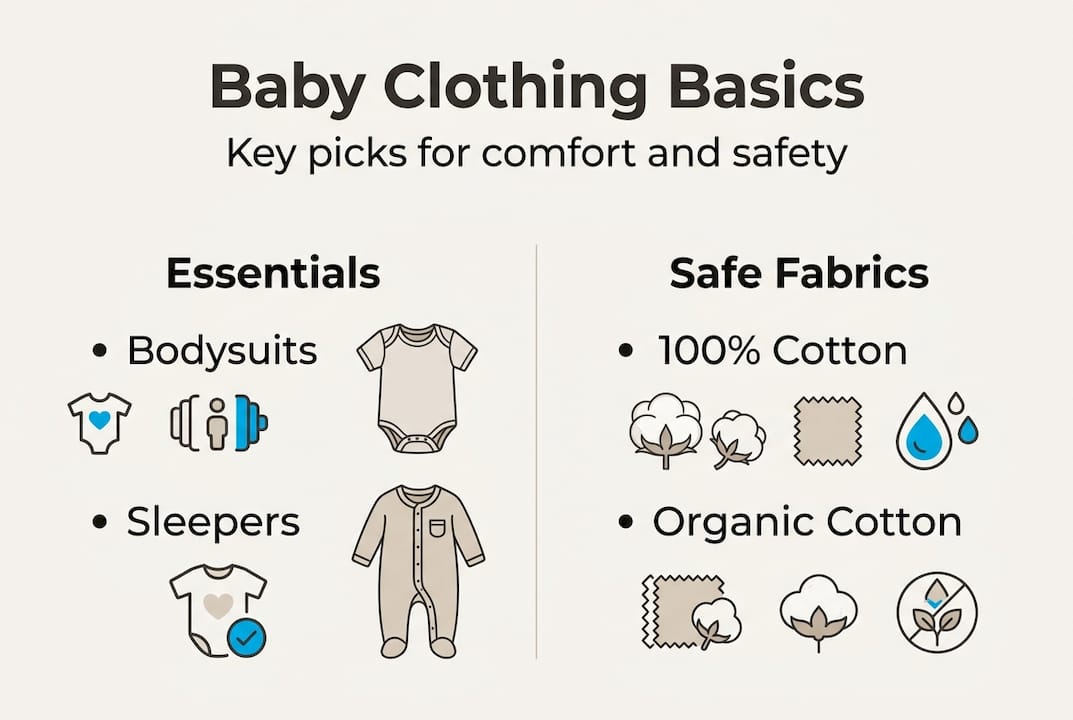
Layering is smarter than buying season-specific outfits. A light bodysuit under a zip-up sleeper works in spring and fall. Add a fleece layer in winter. This approach saves money and gives you more flexibility as temperatures change day to day.
Here's a quick look at what you truly need to start:
| Item | Newborn quantity | 0-3M quantity |
|---|---|---|
| Bodysuits/onesies | 5-7 | 6-8 |
| Sleepers/footie pajamas | 4-5 | 5-6 |
| Pants or leggings | 3-4 | 4-5 |
| Hats (outdoor use) | 2 | 2 |
| Socks | 4-6 pairs | 5-7 pairs |
| Swaddle blankets | 3-4 | 3-4 |
A solid baby clothing checklist helps you avoid panic buying in those first exhausting weeks. Focus on function first. Here's what to prioritize:
- Bodysuits with snaps at the crotch for easy diaper changes
- Footie sleepers that keep toes warm without socks that slip off
- Stretchy, tagless designs that don't scratch or restrict movement
- Neutral colors that mix and match easily and survive stains
- Easy-open necklines for pulling over a baby's head without a struggle
As a starting point, trusted baby essentials focus on breathability and ease of use above all else. Prioritize soft, breathable fabrics like 100% cotton or organic cotton to protect sensitive newborn skin and prevent irritation or overheating.
Choose safe, skin-friendly fabrics
With your essentials list in hand, the next big decision is fabric. What your baby wears against their skin all day and night matters more than most parents realize.
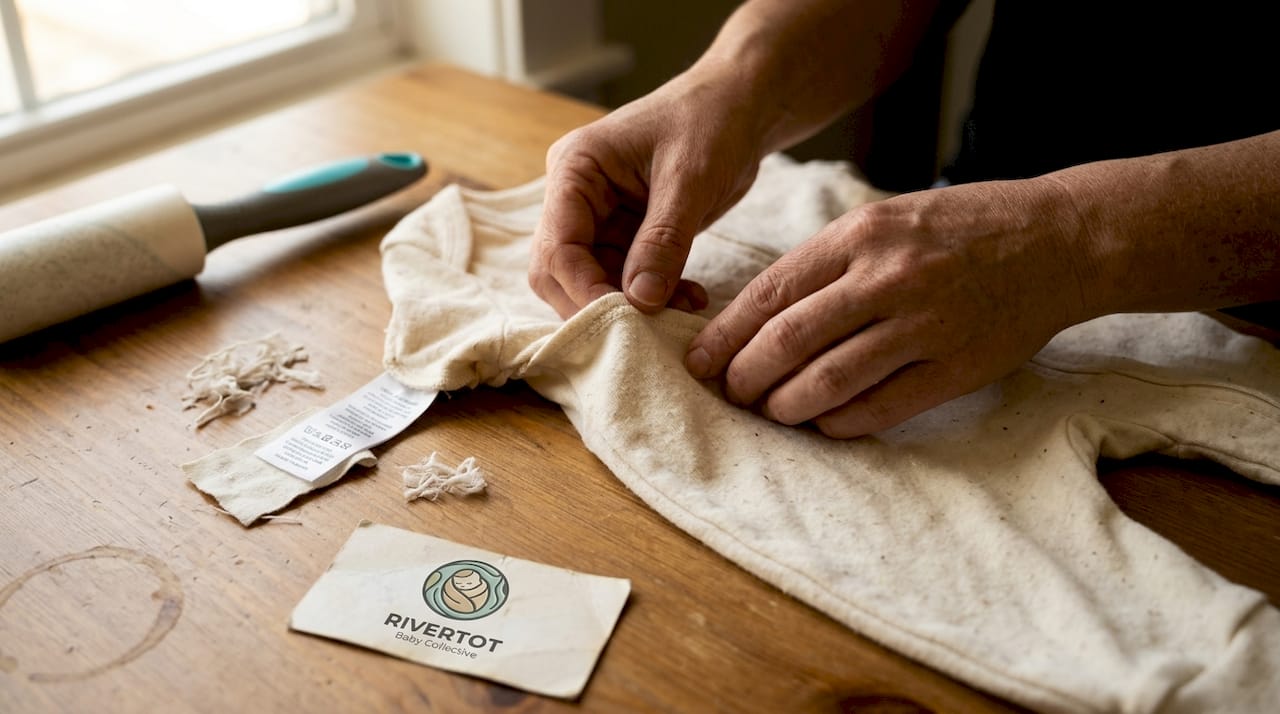
100% cotton is the gold standard for baby clothing. It's soft, breathable, and washes well. Organic cotton takes it a step further by reducing exposure to pesticide residues and chemical dyes used in conventional textile production. If you see a GOTS (Global Organic Textile Standard) certification on a label, that means the fabric meets strict standards for both environmental and chemical safety from field to finished garment.
Conventional cotton isn't dangerous, but it may be treated with formaldehyde-based finishes, optical brighteners, or synthetic dyes that can irritate sensitive skin. Some babies react with redness, rashes, or dry patches after wearing standard fabrics. If you notice any of these signs, switching to organic cotton for babies is worth trying before assuming it's a medical issue.
Here's a quick comparison to help you decide:
| Feature | Standard cotton | Organic/GOTS cotton |
|---|---|---|
| Softness | Good | Very good |
| Chemical treatments | Possible | Minimal to none |
| Cost | Lower | Higher (10-30% more) |
| Washability | Good | Good |
| Skin safety for sensitive babies | Moderate | High |
| Eco-friendly | No | Yes |
Avoid polyester, nylon, or acrylic blends for everyday wear. These trap heat, don't breathe, and can cause sweating or rashes. Fleece is fine as an outer layer in cold weather, but it shouldn't sit directly against newborn skin for long periods.
Always wash new clothes before putting them on your baby. This removes manufacturing residues, loose dyes, and dust from storage. Use a fragrance-free, dye-free detergent designed for babies.
Pro Tip: Check the inside seams and tags on any new garment. Rough seams or scratchy labels are a quick way to cause skin irritation. Look for tagless designs or cut out tags before the first wear.
For a deeper look at what certifications actually mean, the organic cotton safety guide breaks it down clearly. And remember, fabric safety for newborns starts with choosing materials that let skin breathe and don't lock in heat.
Safety-first features: Closures, fit, and sleepwear rules
Once you've chosen the right fabric, look closely at how the clothing is designed. Small details like buttons and drawstrings can become serious hazards.
Here's a step-by-step inspection checklist for every new garment:
- Check closures. Snaps and zippers with covered pull tabs are the safest options. Avoid decorative buttons, especially on items worn by babies under 12 months.
- Look for ribbons or bows. These can wrap around fingers or necks. Remove them or skip the item entirely.
- Check for drawstrings. Drawstrings in hoods or waistbands are a strangulation risk. They're banned on children's outerwear in the U.S. for good reason.
- Test the fit. Clothing that's too loose can bunch up around the face during sleep. Clothing that's too tight restricts movement and circulation.
- Inspect seams. Flat or covered seams reduce skin irritation and pressure points.
Avoid choking hazards like small buttons, bows, ribbons, and drawstrings, and ensure sleepwear is flame resistant.
Sleepwear has its own set of rules. In the U.S., children's sleepwear must either be made from flame-resistant fabric or fit snugly. Snug-fitting cotton sleepers are a popular choice because they don't require chemical flame retardants. Loose, oversized sleepwear made from standard cotton doesn't meet safety standards.
For car seat safety, avoid dressing your baby in bulky coats or thick snowsuits. These compress under harness straps and reduce the effectiveness of the restraint system. Instead, buckle your baby in their regular clothes, then cover them with a blanket or use a car seat cover designed for that purpose. Refer to choosing safe closures for more detail on what to look for when shopping.
For a full walkthrough of safe outfit choices from day one, dressing a newborn safely covers both hospital and home scenarios.
Get the right fit and quantities by age
Sizing is where most parents lose money. Babies grow in unpredictable spurts, and a perfectly good pile of 0-3M clothes can sit unworn if your baby arrives on the larger side or jumps a size early.
Here's what to watch for when a size change is needed:
- Snaps at the crotch won't close without stretching
- Sleeper feet look curled or compressed
- Necklines pull tight when going over the head
- Red marks appear on wrists, ankles, or around the waist
- Your baby seems fussier than usual during or after dressing
For most babies, buying minimal quantities per size works best. Aim for 5-8 bodysuits, 4-6 sleepers, and 3-5 pants or socks per size, keeping in mind that newborns can go through 8-12 outfit changes daily.
Pro Tip: Skip buying many items in the exact newborn size. Mix newborn and 0-3M sizes before birth, then assess once your baby arrives. Many full-term babies skip newborn size entirely.
For preemie babies, standard newborn sizing won't work. Look for clothing specifically labeled "preemie" or "micro preemie" and buy only a few pieces since hospital stays often mean limited clothing needs. For larger babies, go straight to 0-3M or even 3-6M from day one.
The newborn essentials checklist gives you a concrete starting point so you're not guessing at the store. If you're putting together a full layette, the baby layette essentials guide explains exactly what that term means and what it should include.
Layering for comfort and temperature regulation
With the right clothes in the right sizes, layering is your best tool for keeping your baby comfortable through changing temperatures, whether you're moving from a warm house to a cold car or transitioning between seasons.
The general rule is simple: dress your baby in one more layer than you would wear in the same environment. If you're comfortable in a t-shirt and light cardigan, your baby likely needs a bodysuit, a sleeper, and a light wrap.
Here's a practical layering guide by scenario:
- Indoors at normal room temperature (68-72°F): One bodysuit plus a light sleeper is usually enough.
- Outdoors in cool weather (50-65°F): Add a fleece layer or zip-up jacket over the sleeper, plus a hat and booties.
- Outdoors in cold weather (below 50°F): Use a snowsuit or bunting bag over indoor layers, but remove it before placing baby in a car seat.
- During sleep: Use a sleep sack rated for the room temperature instead of loose blankets.
Use sleep sacks over loose blankets to reduce SIDS risk and keep your baby at a safe, consistent temperature through the night.
To check whether your baby is too warm or too cool, feel the skin on their chest or upper back, not their hands or feet. Hands and feet are naturally cooler and aren't a reliable indicator of core body temperature. If the chest feels sweaty or clammy, remove a layer. If it feels cold to the touch, add one.
Hats and booties are great outdoors but should come off indoors and during sleep. Overheating during sleep is a known risk factor for SIDS. For more guidance on dressing newborn for temperature in every season, that resource covers both warm and cold weather scenarios in detail.
Our take: What really matters in baby clothing selection
After working with thousands of parents and seeing what actually causes stress versus what genuinely affects babies, we've noticed a clear pattern. Parents worry most about style and having the "right" outfits for every occasion. Babies care about none of that. What they respond to is comfort, temperature, and freedom of movement.
The parents who feel most confident aren't the ones with the most organized nurseries or the cutest Instagram-worthy outfits. They're the ones who learned to stay flexible. They bought less, washed more, and trusted their instincts when something didn't look or feel right on their baby.
Rigid rules don't survive contact with a real baby. Some babies run warm and need fewer layers. Some have skin so sensitive that even washed cotton causes a reaction. The step-by-step framework in this guide gives you a solid foundation, but your baby's feedback is always the final word.
If you're shopping for a new parent, skip the novelty outfits and focus on practical newborn gift tips that prioritize function. The most appreciated gifts are always the ones that make daily life easier, not the ones that look good in photos.
Explore baby clothing made for real comfort and safety
If you've made it through this guide, you already know more than most parents do before their baby arrives. Now it's time to put that knowledge to work.
At Rivertot, we've curated a range of baby clothing built around the same priorities covered here: soft, breathable fabrics, safe closures, and fits that work for real babies in real life. Whether you're building a full newborn wardrobe or just filling in a few gaps, our adorable baby clothes are designed with both parents and babies in mind. For a practical starting point, our newborn onesies are a customer favorite for good reason. Browse our collection and shop with confidence, knowing every item meets our safety and comfort standards.
Frequently asked questions
What fabrics are best for baby clothes?
Look for soft, breathable fabrics like 100% cotton or organic cotton. These protect your baby's sensitive skin and help prevent irritation and overheating.
How many outfits do babies need per size?
For newborns, 5-8 bodysuits, 4-6 sleepers, and 3-5 pants or socks per size usually covers daily needs, accounting for frequent changes throughout the day.
Is organic cotton worth the extra cost for baby clothes?
Organic cotton reduces chemical exposure and is a good choice for babies with sensitive skin, but 100% cotton is also safe and comfortable for most babies. It comes down to your budget and your baby's specific needs.
What safety hazards should I watch for in baby clothing?
Avoid small buttons, ribbons, and drawstrings, check that sleepwear is flame resistant or snug-fitting, and never put a bulky coat on a baby in a car seat.
How should I layer my baby's clothes for different temperatures?
Dress your baby in one more layer than you'd wear yourself, use a sleep sack instead of loose blankets at night, and remove hats and mittens once you're indoors.